
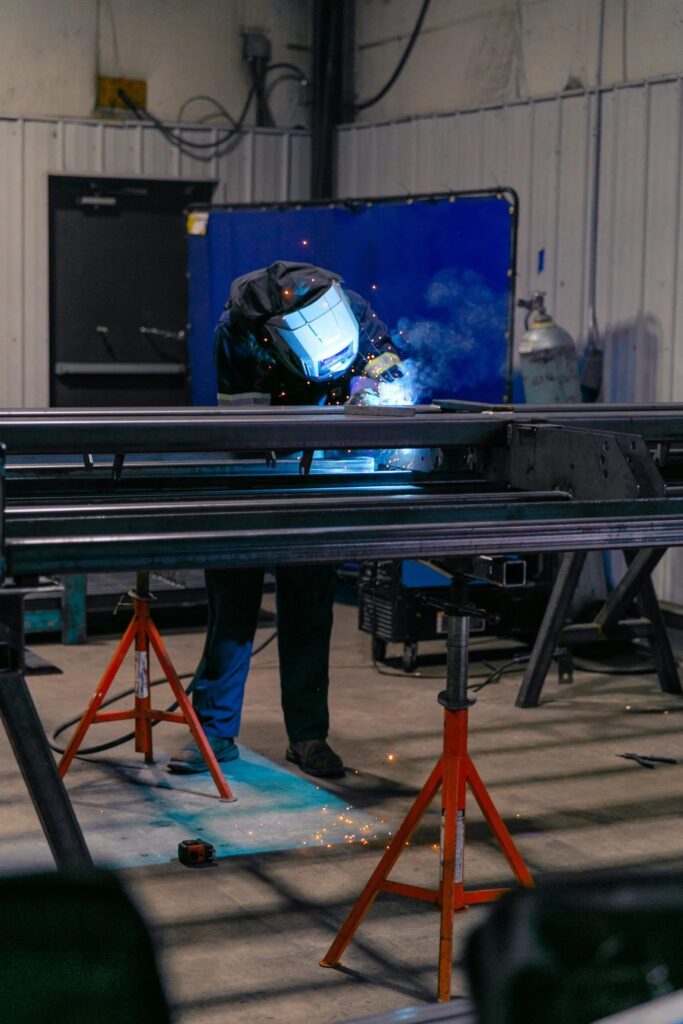
Industrial equipment is a major investment, and keeping it operating efficiently requires careful planning. Unexpected breakdowns can lead to costly repairs, production delays, and lost revenue. A well-organized maintenance plan helps businesses extend the life of their equipment while improving reliability and reducing the risk of unplanned downtime.
Regular inspections and timely pressure vessel repair are important parts of maintaining many industrial systems. Addressing small problems before they become larger issues can improve safety, reduce repair costs, and help equipment continue operating at peak performance. Preventive maintenance also helps businesses avoid disruptions that could affect their productivity.
Develop a Preventive Maintenance Schedule
Waiting until equipment fails before making repairs can be expensive and disruptive. Instead, businesses should establish a preventive maintenance schedule based on manufacturer recommendations, operating conditions, and equipment usage. Routine maintenance tasks such as inspections, lubrication, cleaning, and replacing worn components can help identify and resolve potential issues early. This proactive approach often extends the life of equipment and improves system performance.
Perform Regular Equipment Inspections
Routine inspections allow maintenance teams to detect signs of wear before they develop into major problems. Checking for leaks, corrosion, unusual vibrations, loose connections, and abnormal noises can help identify issues that require attention. Keeping detailed inspection records also makes it easier to monitor equipment over time and recognize patterns that may need to be addressed.
Train Maintenance Personnel
A well-trained maintenance team plays an important role in protecting industrial assets. Employees should understand proper inspection procedures, equipment operation, and safety practices related to the machinery they maintain. Continuing education and manufacturer training can help maintenance personnel stay informed about new technologies, updated maintenance techniques, and industry best practices. Remember that the more training your maintenance team has, the better they can help keep your machinery up and running.
Keep Accurate Maintenance Records
Maintenance records provide valuable information about the history of each piece of equipment. Recording inspections, repairs, replacement parts, and service dates helps businesses plan future maintenance more effectively. These records also make it easier to identify equipment that may require more frequent attention or be approaching the end of its useful service life. Ensuring those records are as accurate and thorough as possible is essential.
Maintain an Inventory of Critical Parts
Having essential replacement parts readily available can significantly reduce downtime when repairs are needed. Waiting for specialized components to arrive may delay production and increase operating costs. Reviewing equipment needs and maintaining an inventory of commonly used parts allows maintenance teams to respond more quickly when unexpected issues arise. Though it’s impossible to plan ahead for everything, keeping critical parts on hand can help your maintenance team do its job more effectively.
Evaluate Equipment Performance
Monitoring equipment performance helps businesses determine whether their current maintenance strategies are working as intended. Tracking factors such as operating efficiency, energy use, downtime, and repair frequency can reveal opportunities for improvement. If certain equipment requires frequent repairs, it may be time to adjust maintenance schedules, replace aging components, or consider upgrading to newer technology.
Protecting Long-Term Operations With Effective Maintenance Planning
Successful maintenance planning goes beyond fixing equipment when problems occur. It involves creating a long-term strategy that supports reliability, safety, and operational efficiency. By scheduling preventive maintenance, performing regular inspections, maintaining accurate records, and addressing repairs promptly, businesses can protect their valuable industrial assets. A thoughtful maintenance plan helps reduce unexpected downtime, control operating costs, and ensure dependable performance for years to come.