
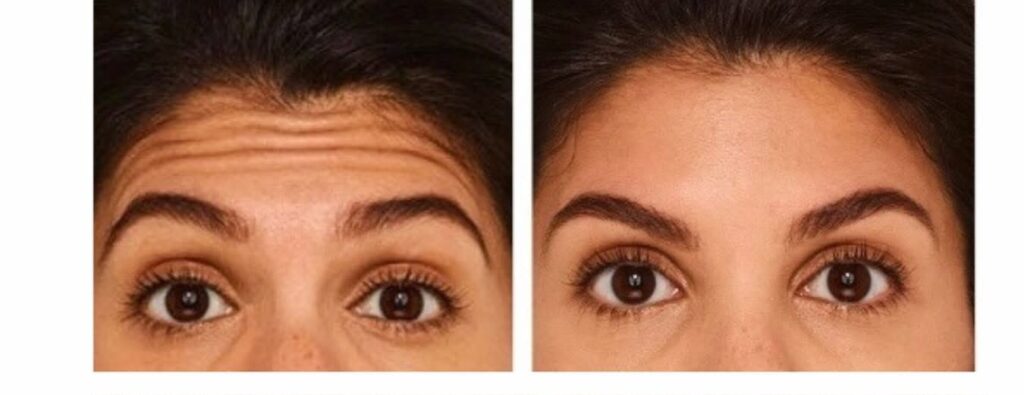
If you are considering BOTOX® in Tampa, one of your first questions may be, “How often should you get BOTOX®?” Most people schedule cosmetic BOTOX® treatments approximately every three to four months, but the right frequency varies from person to person. Treatment area, muscle strength, dosage, metabolism, aesthetic goals, and previous injectable experience can all influence how long the results remain noticeable. The effects are temporary, so maintenance appointments are generally needed when patients want to preserve a consistently refreshed appearance. A qualified medical provider can evaluate your facial movement and recommend a schedule that fits your needs without treating more frequently than appropriate.
How Long Do BOTOX® Results Usually Last?
BOTOX® Cosmetic temporarily reduces targeted muscle activity that contributes to expression lines. According to the official product information, results for commonly treated facial lines can last up to four months, although individual experiences vary. The American Society of Plastic Surgeons also notes that botulinum toxin improvements typically last about three to four months. As the treatment gradually wears off, muscle activity returns, and expression lines may slowly become visible again. The change is generally progressive rather than an abrupt return to your pretreatment appearance.
Some patients notice that their results begin fading after two or three months, while others continue seeing improvement for four months or longer. First-time patients may also find that their initial treatment wears off somewhat differently than in later sessions. This does not necessarily mean the treatment was unsuccessful or that a larger dose is automatically needed. A follow-up assessment allows the injector to review your response, facial symmetry, movement, and treatment goals. Adjustments to future appointments should always be made by an appropriately licensed and trained medical professional.
How Often Should You Get BOTOX® for Maintenance?
For many cosmetic patients, a maintenance schedule of three or four appointments per year is common. Official BOTOX® Cosmetic guidance states that treatments should be spaced at least 90 days apart. This minimum interval is important because the safety and effectiveness of receiving BOTOX® Cosmetic more frequently than every three months have not been clinically evaluated. Even when movement begins returning sooner than expected, patients should speak with their provider rather than immediately scheduling additional injections.
The ideal time to return is often when you notice increased movement in the treated muscles, but before your lines have completely returned to their previous appearance. Some people prefer continuous maintenance and schedule their next visit in advance. Others wait until they see more obvious movement because they are comfortable allowing the effect to fade between sessions. Neither approach is automatically right for every patient, provided treatment intervals remain medically appropriate. Your provider can explain what to expect based on the location treated, your response, and the desired degree of muscle relaxation.
Factors That Affect How Frequently You May Need Treatment
Although three to four months is a useful general estimate, there is no universal schedule that applies to everyone. BOTOX® is prescribed and administered based on an individual assessment, not simply according to a calendar. Your injector must consider your anatomy, medical history, facial expressions, and previous response to treatment. Two patients who receive injections in the same general area may experience different timelines. Understanding the variables involved can help you maintain realistic expectations.
Factors that may affect the duration of your results include:
- The strength and activity of the targeted facial muscles
- The treatment area and number of units administered
- Your individual metabolism and biological response
- Whether this is your first treatment or a maintenance appointment
- The depth and pattern of your expression lines
- Your desired level of movement after treatment
- Whether other botulinum toxin products have recently been used
- The injector’s assessment, placement, and treatment technique
People with strong facial muscles or highly expressive features may notice movement returning sooner. Someone seeking very subtle softening may also perceive the treatment differently from a person who prefers a more significant reduction in movement. More frequent treatment is not necessarily better, and additional units do not guarantee that results will last for a specific period. The goal is to use an appropriate treatment plan while maintaining natural-looking facial balance. This is why personalized evaluation matters when planning BOTOX® in Tampa.
Does BOTOX® Last Longer With Regular Treatments?
Some patients report that the effects seem to last longer after receiving several treatments on a consistent schedule. Repeatedly relaxing a targeted muscle may reduce how forcefully it contracts during the treatment period. As a result, a patient may eventually feel comfortable extending the time between appointments. However, this pattern is not guaranteed, and it should not be treated as a promise of permanently longer-lasting results. BOTOX® remains a temporary treatment even when it is used regularly.
Consistent treatments may also help keep dynamic lines from becoming as noticeable while the face is at rest. Dynamic lines develop from repeated expressions such as squinting, frowning, or raising the eyebrows. When those movements are temporarily reduced, the overlying skin may appear smoother. Existing static lines may not completely disappear, particularly when they have been present for many years. Your provider may discuss skincare, resurfacing procedures, or other treatments when BOTOX® alone is unlikely to address all of your concerns.
When Is It Time to Schedule Another Appointment?
Returning muscle movement is one of the clearest signs that the effects are fading. You may notice that you can raise your eyebrows more strongly, squint more fully, or form deeper lines between the brows. Fine lines may also become visible again during facial expressions. These changes are expected and do not indicate that something has gone wrong. The treated muscles are simply regaining activity as the temporary effect decreases.
Signs that it may be time to discuss another appointment include:
- Expression lines are becoming more visible
- Muscle movement has noticeably returned
- Your results are no longer meeting your aesthetic goals
- At least 90 days have passed since your previous treatment
- Your provider recommended a specific follow-up window
- You want to plan treatment before an event or special occasion
Avoid waiting until the last minute before an important event. Patients may begin noticing changes within the first few days, but the official BOTOX® Cosmetic website states that full results for certain facial treatment areas can take up to 30 days. Minor swelling, redness, tenderness, or bruising may also occur after injections. Giving the treatment sufficient time to settle allows your provider to evaluate the outcome more accurately.
Can You Get BOTOX® Too Frequently?
Receiving injections too close together is not recommended. Official guidance states that BOTOX® Cosmetic treatments should be separated by at least 90 days, and treatment should follow an individualized medical assessment. Scheduling extra appointments whenever you notice small amounts of movement could lead to unnecessary treatment. Patients should never attempt to calculate their own dosing or combine different botulinum toxin products without telling their provider.
It is also important to disclose your full treatment history. Tell your provider about any botulinum toxin product you have received, including the product name, treatment date, and areas injected. You should also discuss medications, supplements, muscle relaxants, injectable antibiotics, blood-thinning products, allergies, and medical conditions. This information helps the provider assess possible interactions and determine whether treatment is appropriate. The safest schedule is one created through an honest consultation with a qualified medical professional.
Why Treatment Area Matters
Different areas of the face move in different ways, which can affect how patients experience their results. Common cosmetic treatment areas include forehead lines, frown lines between the eyebrows, and crow’s feet near the eyes. A provider may use different doses and injection patterns based on the muscles involved. Treating multiple areas does not mean every area will begin fading on exactly the same day. You may notice movement returning in one location before another.
The desired result also affects treatment planning. Some patients want to retain considerable facial movement while softening pronounced lines. Others want a stronger reduction in movement within the limits of safe and appropriate treatment. A skilled injector considers eyebrow position, eyelid anatomy, facial proportions, and natural expression before making recommendations. The objective should be a balanced result rather than simply eliminating as much movement as possible.
Frequently Asked Questions About BOTOX® Treatment Frequency
How often should you get BOTOX®?
Many patients receive BOTOX® every three to four months. Treatments should generally be spaced at least 90 days apart, but your provider may recommend a longer interval.
Can I receive BOTOX® every two months?
BOTOX® Cosmetic should not routinely be administered more frequently than every three months. Contact your provider if you feel your results are fading unusually quickly.
What happens if I stop getting BOTOX®?
Muscle activity gradually returns, and expression lines may become visible again. Your face does not typically become worse simply because you discontinue maintenance treatments.
Do I need BOTOX® exactly every three months?
No. Some patients return at three months, while others wait four months or longer. The schedule depends on your response and aesthetic preferences.
How soon will I see results?
Some patients begin noticing changes within one or two days for certain approved facial areas. Full results may take longer to develop.
Is BOTOX® permanent?
No. BOTOX® Cosmetic temporarily reduces targeted muscle activity, so maintenance treatments are required to preserve the effect.
Can I switch between different injectable products?
Different botulinum toxin products are not considered interchangeable unit for unit. Discuss previous products and injection dates with your provider before changing treatments.
Is it safe to schedule BOTOX® before a major event?
It is generally wise to schedule well in advance so the results have time to develop and temporary injection-site effects can resolve. Ask your provider for personalized timing recommendations.
Planning Your BOTOX® Treatments in Tampa
A thoughtful treatment schedule begins with a professional consultation rather than a fixed number of appointments. When researching BOTOX® in Tampa, look for a qualified provider who evaluates facial anatomy, reviews your health history, explains potential risks, and creates a conservative treatment plan. Ask who will perform the injections, what credentials that person holds, and how follow-up concerns are handled. Your provider should also explain expected results, possible side effects, aftercare, and when another treatment may be appropriate. Good communication is an essential part of achieving results that look balanced and fit your goals.
Ultimately, the answer to “How often should you get BOTOX®?” is usually every three to four months, but your personal timeline may be different. Avoid using another person’s schedule as a substitute for medical advice because muscle activity, anatomy, dosage, and treatment goals vary significantly. Pay attention to how your own results develop and fade, then discuss those observations at your next appointment. Consistent documentation can help your injector refine future treatments while avoiding unnecessary sessions. With an individualized approach, BOTOX® can be incorporated into a practical maintenance plan that prioritizes safety, natural expression, and realistic expectations.