
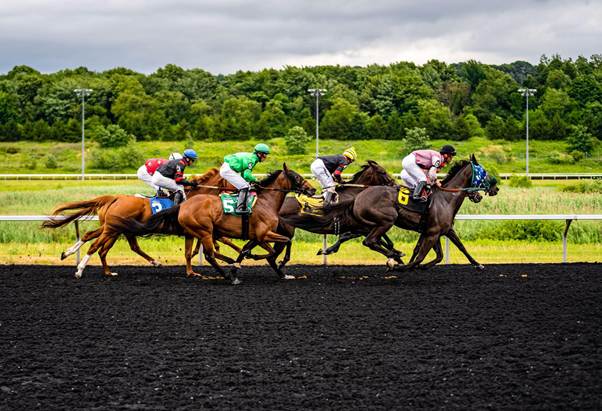
The 2026 Jim Dandy Stakes is scheduled for August 1, 2026, at Saratoga Race Course in Saratoga Springs, New York. As one of the premier Grade 2 races for three-year-old thoroughbreds, it serves as a key stepping stone to the Travers Stakes and regularly attracts many of the division’s top summer contenders. With a competitive field once again expected, careful preparation and research before race day can provide valuable context.
Rather than focusing on a single statistic, it’s helpful to evaluate how each horse arrives at Saratoga. Recent form, pace dynamics, trainer patterns, local experience, and race day conditions all contribute to a more complete assessment.
Looking at these factors together allows racing fans to better understand the field before the gates open.
Study Each Horse’s Recent Form
The Jim Dandy is a Grade 2 contest covering one and one-eighth miles on dirt at Saratoga Race Course. It serves as one of the premier preparation races for the Travers Stakes later in the meet, which explains why many talented three-year-olds target the event.
Before reviewing 2026 Jim Dandy Stakes picks, it’s worth examining how every entrant has progressed throughout the season.
Instead of focusing only on finishing position, compare the quality of each performance. Horses may finish second or third after facing stronger competition than rivals that recently won easier races. Speed figures, closing fractions, and consistency over similar distances often provide valuable context.
Key points to review include:
- Recent speed figures,
- Quality of previous competition,
- Improvement from race to race,
- Experience at nine furlongs,
- Current fitness based on recent starts.
Looking at recent form as a whole creates a stronger foundation for evaluating the field. Consistent performances against quality competition often reveal more than a single standout result, especially during the summer racing season.
Once those factors have been taken into account, it becomes easier to compare how each contender might adapt to the specific demands of Saratoga Race Course.
Evaluate Saratoga Experience
Not every talented horse performs the same way at Saratoga. The surface, atmosphere, and demanding competition create a unique challenge that often rewards horses capable of adapting quickly. Previous starts at Saratoga can provide useful clues when comparing contenders.
Pay attention to how each horse handled the track during earlier appearances. Some runners display stronger acceleration over Saratoga’s dirt surface, while others improve after gaining familiarity with the surroundings. Workout reports completed at Saratoga in the weeks leading into the race can also indicate how comfortable a horse looks.
Useful indicators include:
- Previous Saratoga finishes,
- Recent workouts over the local surface,
- Performance at similar tracks,
- Ability to maintain pace through the final turn,
- Adaptation after shipping from another circuit.
Taken together, these details provide a clearer picture of how each contender could perform under Saratoga conditions. Comparing local experience with recent workouts and overall form helps place individual performances into context instead of relying on a single race or statistic. That broader perspective becomes especially valuable when evaluating a competitive field.
Compare Trainers and Jockeys
Strong horses often receive significant attention, but the connections behind them deserve equal consideration. Experienced trainers understand how to prepare three-year-olds for a midsummer target like the Jim Dandy, while accomplished jockeys make critical decisions that can affect race outcomes.
Trainer Patterns
Some trainers consistently develop horses that improve during the second half of the season. Reviewing their previous Saratoga performances and success in graded stakes offers useful context when evaluating current contenders.
Jockey Decisions
Riders familiar with Saratoga understand when to save ground, when to move into contention, and how quickly races can change approaching the stretch. Their familiarity with both the course and individual horses often shapes the overall race flow.
Team Success
Trainer and jockey partnerships frequently produce consistent results throughout the Saratoga meet. Reviewing recent collaborations can reveal combinations entering the race with strong momentum and clear communication.
Analyze Pace and Race Shape
Every edition of the Jim Dandy develops differently depending on the field. Some races feature multiple front runners competing for early position, while others unfold at a more measured pace before quickening in the final stages. Understanding these variations helps create a more balanced evaluation.
Past performances often reveal preferred running styles. Horses that consistently lead from the start may face greater pressure if several similar runners are entered. Meanwhile, patient closers can benefit when the early pace becomes demanding. Reviewing sectional times alongside previous race replays provides additional insight into how each horse responds under different conditions.
It’s also valuable to compare how contenders have performed at one and one-eighth miles. Some horses improve noticeably as distances increase, while others display their strongest efforts in shorter races. Matching distance suitability with projected pace creates a more complete assessment.
Monitor Final Updates Before Race Day
Preparation should continue until post time. Final workout reports, official entries, post positions, and weather conditions all contribute valuable information that might influence how the race unfolds. Even small updates can provide helpful context when comparing evenly matched contenders.
Official race information released by the New York Racing Association remains one of the most reliable resources for confirming schedules, scratches, and track conditions. Pairing those updates with recent workout reports and past performance data creates a more complete overview of the variables and a deeper understanding of the field.
Rather than emphasizing one statistic, thoughtful race preparation combines current information with long-term performance trends. Reviewing several types of data together allows racing fans to approach the Jim Dandy with greater perspective and a clearer understanding of every contender.
Build a Complete Race Picture
The Jim Dandy Stakes consistently brings together talented three-year-olds preparing for the next stage of the Saratoga season. Each running presents a different combination of established performers and improving contenders, making careful evaluation especially valuable.
By reviewing recent form, Saratoga experience, trainer and jockey records, pace scenarios, and official race day updates, readers can develop a well-rounded perspective before the field enters the starting gate. This approach provides a stronger foundation for understanding one of the most anticipated races of the summer season.