
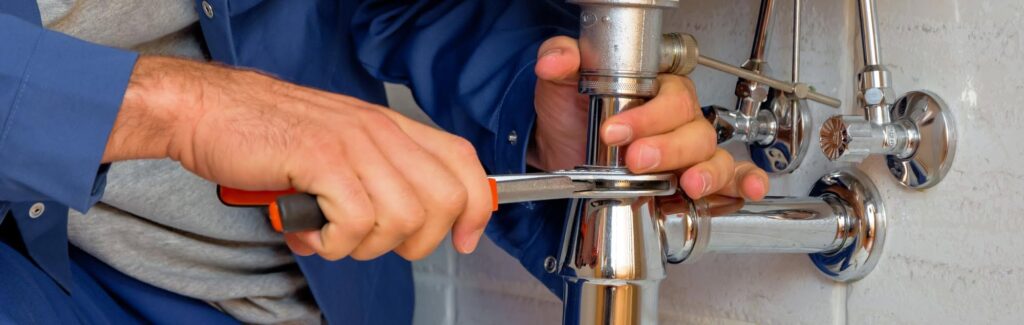
Drains work quietly in the background until something goes wrong. When water starts moving slowly, odors appear, or backups happen, it can disrupt your home and create unnecessary stress. The good news is that many drain problems can be avoided with simple habits and regular maintenance. Learning how to prevent clogged drains helps protect your plumbing, reduce repair costs, and keep your home running smoothly. With the right approach, drain cleaning becomes less of an emergency and more of a smart part of home care.
Why Drain Maintenance Matters
Your drain system handles wastewater from sinks, showers, tubs, toilets, laundry areas, and sometimes outdoor drainage points. Over time, these drains collect soap residue, grease, hair, food particles, minerals, and other debris. Even when water appears to be draining normally, buildup may be forming inside the pipes. If that buildup is ignored, it can narrow the pipe opening and eventually cause a full blockage. Routine drain maintenance helps keep water flowing and lowers the risk of unexpected plumbing problems.
A clogged drain is not always just a small inconvenience. In some cases, backups can lead to water damage, unpleasant odors, sanitation concerns, and expensive repairs. Slow drains can also put added pressure on your plumbing system if the problem spreads. Professional plumbers often see major clogs that started as minor warning signs. Paying attention early can save you time, money, and frustration later.
Watch What Goes Down the Drain
One of the best ways to keep drains clear is to be careful about what enters them. Many clogs are caused by everyday materials that seem harmless at first. Grease, coffee grounds, food scraps, hair, wipes, cotton products, and dental floss can all create problems. These items may stick to pipe walls, tangle together, or settle in bends and traps. Over time, they can form tough blockages that basic tools may not fully remove.
Kitchen and bathroom drains need different types of care. In the kitchen, avoid pouring fats, oils, and grease down the sink, even if you rinse with hot water. In the bathroom, use a drain cover to catch hair before it slips into the pipe. Toilets should only be used for human waste and toilet paper. Keeping the wrong items out of your plumbing is one of the simplest ways to prevent clogged drains.
Build Better Kitchen Drain Habits
Kitchen sinks handle a lot of daily use, which makes them especially vulnerable to buildup. Grease is one of the biggest problems because it can go down as a liquid and harden inside the pipes. Once it coats the pipe walls, it catches food crumbs, starches, and other debris. This can create a sticky clog that becomes harder to clear over time. Instead of rinsing grease away, let it cool and dispose of it in the trash.
Garbage disposals can help with small food particles, but they are not a replacement for proper food disposal. Avoid putting fibrous foods, pasta, rice, eggshells, coffee grounds, and large scraps into the disposal. These materials can wrap around blades, expand with water, or settle in the drain line. Run cold water while using the disposal and continue running it for a few seconds afterward. A sink strainer can also catch leftover debris before it reaches the drain.
Helpful kitchen drain habits include:
- Scrape plates into the trash before rinsing
- Wipe greasy pans with a paper towel before washing
- Use a sink strainer to catch food particles
- Run cold water when using the garbage disposal
- Avoid rinsing coffee grounds into the sink
Protect Bathroom Drains From Hair and Soap Buildup
Bathroom drains commonly clog because of hair, soap scum, toothpaste, shaving cream, and personal care products. Hair can bind with soap residue and form clumps that stick inside pipes. This is especially common in showers, tubs, and bathroom sinks. Once the buildup starts, water may drain more slowly each week. A simple drain cover can make a major difference by catching hair before it enters the system.
Soap scum can also create long-term problems, especially in homes with hard water. Minerals in the water can mix with soap and leave a stubborn residue inside drains. Liquid soaps may reduce some buildup, but they do not eliminate the need for cleaning. Rinsing drains with warm water after heavy use can help move light residue through the line. Cleaning sink stoppers and shower strainers regularly also keeps debris from collecting near the opening.
Use Safe Cleaning Methods
Routine drain cleaning does not always require harsh products. In fact, chemical drain cleaners can damage pipes when used too often or incorrectly. They may also fail to remove the full blockage, which means the clog can return. Safer methods include flushing drains with warm water, cleaning visible debris, using a plunger, or using a small drain snake for hair clogs. These approaches can be effective for minor buildup and are usually gentler on your plumbing.
For kitchen drains, warm water and a small amount of dish soap may help break down light grease residue. For bathroom drains, removing the stopper and cleaning trapped hair can improve drainage quickly. Avoid forcing tools deep into pipes if you are unsure how to use them. Pushing too aggressively can damage the drain or move the clog farther down the line. If basic cleaning does not solve the problem, professional help is the safer choice.
Know the Warning Signs of a Drain Problem
Drain problems often develop gradually before they become serious. A sink or shower that drains slowly may be an early sign of buildup. Gurgling sounds can indicate trapped air caused by a blockage. Bad odors may mean food, grease, hair, or waste is sitting inside the drain line. Water backing up into another fixture can point to a deeper issue in the plumbing system.
You should also pay attention to recurring clogs. If the same drain keeps slowing down after you clean it, the blockage may not be fully removed. Multiple slow drains at once can be a sign of a main line problem. Outdoor drains that overflow may be blocked by leaves, dirt, or roots. Calling a professional early can prevent a minor inconvenience from becoming a larger plumbing emergency.
Common warning signs include:
- Slow drainage from sinks, tubs, or showers
- Gurgling sounds from drains or toilets
- Unpleasant odors near drains
- Water backing up into another fixture
- Frequent toilet clogs
- Standing water around floor drains
- Several drains acting up at the same time
Schedule Professional Drain Cleaning
Professional drain cleaning is one of the most reliable ways to keep your plumbing system in good condition. Plumbers have equipment designed to clear buildup more thoroughly than basic household tools. Depending on the issue, they may use professional augers, hydro jetting, or camera inspections. These tools can remove grease, roots, mineral deposits, and deep blockages more effectively. Professional service can also identify damage or problem areas before they lead to bigger repairs.
How often you need professional drain cleaning depends on your home and plumbing usage. Homes with large families, older pipes, frequent clogs, or heavy kitchen use may need service more often. Restaurants, rental properties, and busy households may also benefit from a regular maintenance schedule. Even if your drains seem fine, preventive service can help avoid sudden backups. A plumber can recommend the right schedule based on your plumbing system.
FAQ About Keeping Drains Clear
How can I prevent clogged drains at home?
You can prevent clogged drains by keeping grease, hair, food scraps, wipes, and other debris out of your plumbing. Use strainers, clean stoppers regularly, and avoid flushing anything besides toilet paper and human waste. Regular maintenance also helps stop buildup before it becomes a blockage.
How often should I schedule drain cleaning?
Most homes benefit from professional drain cleaning every one to two years, depending on usage and plumbing condition. If you have frequent clogs, older pipes, or slow drains, you may need service more often. A plumber can recommend a maintenance schedule for your home.
Are chemical drain cleaners a good idea?
Chemical drain cleaners may offer temporary relief, but they can be hard on pipes and may not remove the entire clog. Frequent use can lead to corrosion or plumbing damage. Safer mechanical cleaning or professional service is usually a better option.
Why do my drains smell bad?
Bad drain odors are often caused by trapped food, grease, hair, soap scum, or bacteria inside the pipe. Dry traps can also allow sewer gases to enter the home. If odors continue after cleaning, a plumber should inspect the drain.
What should I do if multiple drains are slow?
Multiple slow drains may indicate a problem in the main sewer line. This is more serious than a single clogged sink or shower. Call a professional plumber to inspect the system and prevent a possible backup.
When to Call a Professional Plumber
Some drain problems are too serious for DIY methods. If water backs up, multiple drains are slow, or clogs keep returning, it is time to call a plumber. You should also get professional help if you notice sewage odors, standing water, or toilets that overflow frequently. These problems may point to a deep blockage, damaged pipe, or main line issue. Trying to handle them without the right tools can make the problem worse.
A professional plumber can find the source of the issue and recommend the best repair or cleaning method. Camera inspections can show exactly what is happening inside the pipe. Hydro jetting can clear heavy buildup and restore better flow when appropriate. Regular service also gives you peace of mind that your plumbing is being cared for properly. With smart habits and professional drain cleaning, you can keep your drains flowing smoothly and reduce the risk of costly surprises.