
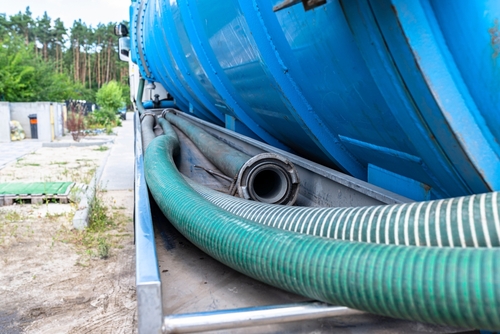
When searching for vacuum tanks for sale, buyers often face one major decision: should they invest in a new build or purchase a surplus unit? Both options can be smart depending on the application, budget, timeline, and long-term business goals. Vacuum tanks are used across septic service, portable restroom operations, grease collection, hydro excavation, industrial cleanup, and wastewater hauling. Because these tanks are central to daily operations, the wrong choice can lead to downtime, repairs, compliance issues, or limited capacity. The right choice, however, can improve productivity and protect cash flow. Understanding the difference between new builds and surplus units helps buyers choose equipment that fits both current needs and future growth.
What Is a New Vacuum Tank Build?
A new vacuum tank build is manufactured or assembled to meet a buyer’s exact specifications. This can include tank size, material, compartment layout, pump configuration, mounting style, hose trays, valves, fittings, and finish. New builds are often selected by companies that know exactly how the tank will be used and want equipment designed around their workflow. They may be mounted on a new chassis, installed on an existing truck, or built as a slide-in or trailer-mounted unit. Because the tank is new, buyers typically benefit from cleaner condition, updated components, and fewer immediate repair concerns. For businesses that depend heavily on reliability, a new build can offer confidence from day one.
New builds also allow operators to match equipment to specific route demands. A septic company may need a large-capacity steel tank with strong vacuum performance, while a portable restroom company may prefer a lighter tank with freshwater compartments. A grease collection business may want easy-clean features, specific valve placement, or corrosion-resistant materials. With a new build, these details can be planned before the unit is completed. That level of customization can make daily work faster, safer, and more efficient. The tradeoff is that new builds usually cost more and may take longer to receive.
What Is a Surplus Vacuum Tank?
A surplus vacuum tank is an available unit that was previously built, stocked, traded in, lightly used, overproduced, or removed from another application. These tanks may be new old stock, used equipment, refurbished tanks, or units that were built for a project that changed direction. Buyers often consider surplus tanks because they are usually available faster than custom builds. In many cases, they also cost less than ordering a completely new tank. This can be attractive for startups, growing businesses, or operators that need to replace equipment quickly. Surplus units can be a practical way to get working equipment without waiting for a long production schedule.
However, surplus tanks vary widely in condition and suitability. Some may be nearly new, while others may need inspection, repairs, or modifications before they are ready for service. A tank that looks like a bargain upfront may not save money if it requires welding, pump replacement, valve upgrades, cleaning, or remounting. Buyers should carefully evaluate age, material condition, capacity, previous use, and compatibility with their truck or trailer. It is also important to confirm that the tank meets any applicable regulations or job requirements. A surplus unit can be a strong value, but only when it fits the work without creating hidden costs.
Comparing Upfront Cost
Cost is often the first reason buyers compare new builds and surplus tanks. A new vacuum tank generally carries a higher purchase price because the buyer is paying for fresh materials, labor, customization, and current components. That higher price may be worth it if the tank is built for daily use and expected to remain in service for many years. New equipment can also reduce early repair spending, which may help offset part of the initial cost. For established companies with steady routes, the investment may make sense because the tank supports predictable revenue. The main challenge is having enough budget or financing capacity to manage the upfront expense.
Surplus tanks usually cost less at the time of purchase, which can make them appealing to buyers watching cash flow. The lower price can free up money for other needs such as truck repairs, pump upgrades, hoses, disposal fees, insurance, or marketing. This is especially helpful for businesses adding a new service line or replacing a tank unexpectedly. Still, buyers should avoid judging value by price alone. Inspection, repairs, transportation, installation, and downtime can quickly narrow the savings gap. A surplus tank is only cheaper if it can be put to work reliably without major unplanned costs.
Comparing Lead Time and Availability
Lead time can be just as important as price. New builds often require planning, fabrication, scheduling, and installation, which can extend the buying process. If a company has time to plan ahead, waiting for the right build may be worthwhile. The benefit is that the final unit should match the buyer’s exact application. This can reduce compromises and improve long-term efficiency. For operators preparing for seasonal growth or fleet expansion, a new build can be scheduled around the business plan.
Surplus units are often available much faster. If a truck is down, a tank has failed, or new work must begin quickly, availability may matter more than customization. A ready-to-go surplus unit can help a business keep routes moving and avoid losing customers. The faster timeline can also help companies take advantage of unexpected contracts or market opportunities. However, speed should not replace due diligence. Even when time is tight, the tank should be inspected for structural integrity, safe operation, and compatibility.
Customization and Fit
Customization is one of the biggest advantages of choosing a new build. Buyers can specify tank capacity, baffles, compartments, pump style, valve placement, hose storage, manways, washdown systems, paint, and other features. This matters because small design details can affect how quickly crews complete jobs. A tank that is built around the operator’s workflow can reduce wasted movement, improve safety, and make maintenance easier. Over time, those improvements can produce real savings. For companies with specialized services, customization may be more than a convenience.
Surplus tanks usually require buyers to work with what is already available. That does not mean they are a poor choice, but it does mean compromises may be necessary. The tank may be slightly larger or smaller than ideal, or the fittings may not be placed exactly where the crew would prefer. Some modifications may be possible, but they add cost and time. Buyers should decide which features are essential and which are optional before shopping. A surplus unit that meets the essential requirements can still be a very practical purchase.
Important fit factors include:
- Tank capacity and legal weight limits
- Material type, such as steel, stainless steel, or aluminum
- Pump compatibility and vacuum rating
- Truck or trailer mounting requirements
- Valve and hose placement
- Prior use and cleaning history
- Access points for inspection and maintenance
Durability and Maintenance Expectations
A new vacuum tank typically offers the clearest maintenance outlook. Since the tank has not been exposed to years of service, buyers can start with a clean maintenance schedule. Components such as pumps, valves, seals, gauges, and fittings are often new or selected to match the build. This can reduce the chance of immediate leaks, corrosion issues, or performance problems. New builds may also come with documentation that helps crews maintain the system properly. For companies that rely on uptime, this predictability can be valuable.
Surplus tanks require closer inspection because past use matters. A tank used for septic work may have different wear patterns than one used for industrial liquids, grease, or water. Corrosion, dents, cracked welds, worn fittings, and damaged internal baffles can affect performance and safety. Even if the tank is usable, older components may need replacement sooner than expected. Buyers should ask for service history when available and inspect the tank thoroughly before purchase. A professional inspection can help reveal whether the lower price truly represents a good deal.
FAQ
Are surplus vacuum tanks always used?
No. Some surplus tanks are used, but others may be unused, lightly used, overstock, or new old stock. The key is to verify the condition, age, and previous application before buying.
Are new vacuum tanks worth the higher cost?
Yes, they can be worth it when reliability, customization, and long service life are priorities. A new build is especially valuable for companies with steady work and specific equipment requirements.
What should I inspect before buying a surplus tank?
Check for corrosion, cracks, weld quality, dents, leaks, valve condition, pump compatibility, baffles, manways, and mounting points. Also, confirm capacity, material, and prior use.
Which option is better for a startup?
A surplus unit may be better for a startup with a limited budget, as long as it is in good condition. A new build may be better if the startup already has confirmed contracts and needs dependable daily performance.
Can a surplus tank be customized?
Yes, but modifications can add cost and delay. Buyers should compare the cost of modifying a surplus tank against ordering a new build that already includes the needed features.
Choosing the Right Vacuum Tank
The best choice depends on how the tank will be used, how quickly it is needed, and how much risk the buyer can tolerate. New builds offer customization, cleaner condition, predictable maintenance, and long-term reliability. They are often the better choice for companies with established routes, specialized service needs, or high daily usage. Surplus units offer lower upfront cost and faster availability, making them attractive for startups, emergency replacements, or budget-conscious buyers. Both options can save money when chosen carefully. The mistake is assuming that the lowest price is always the best value.
When comparing vacuum tanks for sale, buyers should think beyond purchase price. Capacity, compatibility, condition, compliance, maintenance, and downtime all affect the true cost of ownership. A surplus tank that needs major repairs may cost more than expected, while a new build that is underused may tie up too much capital. The smartest purchase is the one that supports profitable work without creating unnecessary expenses. For some businesses, that means investing in a custom new build. For others, it means finding a well-matched surplus unit that can start earning money right away.