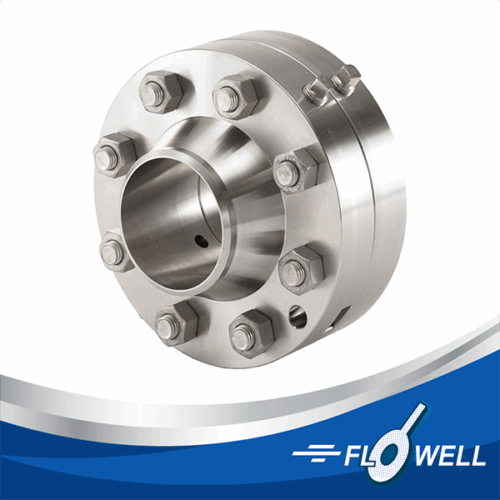
An orifice flange assembly is a specialized piping arrangement used to hold an orifice plate in place for flow measurement. It is commonly found in industrial systems that measure liquids, gases, and steam using differential pressure. The assembly allows the orifice plate to create a controlled restriction in the pipe, which produces a pressure difference that can be measured and converted into a flow rate. Because accurate flow measurement depends on correct alignment, sealing, and pressure sensing, the assembly must be put together carefully. Understanding how an orifice flange assembly is built helps operators, technicians, and engineers maintain safer and more reliable process systems.
What Is an Orifice Flange Assembly?
An orifice flange assembly is made up of two specially designed flanges that are installed on either side of an orifice plate. These flanges look similar to standard pipe flanges, but they include pressure tap connections that allow differential pressure readings to be taken close to the plate. The orifice plate sits between the flanges and is sealed with gaskets. When fluid flows through the pipe, it passes through the bore in the orifice plate and creates a pressure drop. That pressure drop is measured through the flange taps and used to calculate the flow rate.
Main Components of the Assembly
A complete orifice flange assembly includes several parts that must work together. Each component has a specific role in holding the plate, sealing the joint, and providing accurate pressure measurement. If one part is damaged, misaligned, or installed incorrectly, the system may leak or produce inaccurate flow data. The exact components can vary based on pipe size, pressure class, material, and process conditions. However, most assemblies include the same basic parts.
Common components include:
- Two orifice flanges
- Orifice plate
- Gaskets
- Bolts and nuts
- Jack screws or flange spreader screws
- Pressure tap connections
- Pipe nipples, valves, or impulse tubing
- Differential pressure transmitter or gauge
The Role of the Orifice Flanges
The orifice flanges are the main structural parts of the assembly. They are bolted together around the orifice plate and connected to the surrounding pipe. Unlike standard flanges, orifice flanges include drilled pressure taps, usually one on each flange. These taps are positioned at specific distances from the orifice plate so the pressure readings are consistent and useful for flow calculations. The flanges also provide a secure mechanical connection that can withstand the pressure, temperature, and service conditions of the process.
The Role of the Orifice Plate
The orifice plate is the measuring element inside the orifice flange assembly. It is a thin, flat plate with a precisely machined opening called a bore. The bore is smaller than the internal diameter of the pipe, so it restricts flow and creates a pressure difference. The bore size, plate thickness, material, and edge condition are selected based on the application. Because the plate directly affects measurement accuracy, it must be installed in the correct orientation and protected from scratches, corrosion, or edge damage.
Preparing the Pipe and Flanges
Before an orifice flange assembly is put together, the pipe and flange faces should be inspected. The flange faces need to be clean, flat, and free from deep scratches, dents, corrosion, or leftover gasket material. The pipe should be properly aligned so the flanges meet evenly without forcing the joint into position. Misalignment can place stress on the bolts and gaskets, which may cause leaks or plate distortion. Technicians should also confirm that the flange rating, material, bore size, and pressure tap orientation match the system requirements.
Installing the Gaskets
Gaskets are placed on both sides of the orifice plate to seal the space between the plate and the flanges. The gasket material must be compatible with the fluid, temperature, pressure, and flange facing. A damaged or incorrect gasket can cause leaks, pressure loss, or unsafe operating conditions. During installation, the gasket should be centered properly and kept clean. It should not block the orifice bore or interfere with the pressure tap openings.
Positioning the Orifice Plate
The orifice plate must be positioned carefully between the two gaskets and flanges. Many plates include a handle or tab that shows important information such as bore size, material, plate identification, and flow direction. For a standard sharp-edged orifice plate, the sharp edge typically faces upstream. If the plate is installed backward, the flow reading can be inaccurate. The plate should also be centered in the pipe so the bore lines up with the pipe’s internal diameter.
Bolting the Assembly Together
Once the plate and gaskets are in place, the flanges are brought together and bolted. Bolts should be inserted through the flange holes and tightened gradually in a crisscross pattern. This helps apply even pressure to the gasket and reduces the risk of leaks. Uneven tightening can distort the plate, damage the gasket, or create an unreliable seal. The final bolt torque should follow the project specification, gasket manufacturer guidance, or applicable plant procedure.
Using Jack Screws
Many orifice flange assemblies include jack screws, which help separate the flanges when the orifice plate needs to be inspected or replaced. These screws are not used to seal the joint during normal operation. Instead, they provide a controlled way to spread the flanges slightly during maintenance. This makes it easier to remove the plate without damaging the flange faces. Before the system is returned to service, jack screws should be backed off or positioned according to the manufacturer’s instructions.
Connecting the Pressure Taps
The pressure taps are small openings in the orifice flanges that allow upstream and downstream pressure to be measured. These taps are connected to valves, impulse lines, tubing, or a differential pressure transmitter. The high-pressure tap is usually located upstream of the plate, while the low-pressure tap is located downstream. The connections must be tight, clean, and free of blockages. Any leak, plugged line, trapped air, or trapped liquid can affect the pressure reading and reduce measurement accuracy.
Adding Valves and Instrumentation
An orifice flange assembly is often connected to a manifold and a differential pressure transmitter. The manifold allows technicians to isolate, equalize, and calibrate the transmitter safely. Depending on the application, the system may also include root valves, drain valves, vent valves, and temperature or pressure compensation instruments. In gas service, impulse lines may need to slope to prevent liquid buildup. In liquid service, lines may need to be arranged to prevent trapped gas from interfering with readings.
Checking Alignment and Orientation
After the main parts are assembled, technicians should confirm that everything is aligned and oriented correctly. The flow direction marking on the orifice plate should match the actual direction of flow through the pipe. The pressure taps should be positioned correctly for the type of service. For horizontal liquid lines, taps are often located to avoid air pockets, while gas and steam applications may require different tap positions. Correct orientation helps the differential pressure transmitter receive accurate and stable pressure signals.
Testing for Leaks
Before the orifice flange assembly is placed into full operation, the system should be checked for leaks. This may involve a pressure test, visual inspection, or another approved plant procedure. Leaks can occur at the gasket surfaces, pressure tap fittings, valve connections, or impulse tubing. Even a small leak can create safety risks and affect measurement accuracy. If a leak is found, the system should be depressurized before corrective work is performed.
Common Installation Mistakes
Several common mistakes can affect the performance of an orifice flange assembly. Installing the plate backward is one of the most frequent problems. Other issues include using the wrong gasket, damaging the plate edge, tightening bolts unevenly, or allowing gasket material to obstruct the bore. Pressure tap problems can also cause incorrect flow readings. Avoiding these mistakes helps protect both safety and measurement accuracy.
Common mistakes include:
- Installing the orifice plate in the wrong direction
- Using gaskets that are too large or too small
- Blocking pressure taps with gasket material
- Over-tightening or unevenly tightening bolts
- Failing to center the plate in the pipe
- Leaving impulse lines plugged, leaking, or improperly sloped
- Using damaged flange faces or worn plate edges
FAQ About Orifice Flange Assemblies
What is an orifice flange assembly used for?
It is used to hold an orifice plate in a pipe so that differential pressure can be measured and used to calculate flow rate.
What makes orifice flanges different from standard flanges?
Orifice flanges include pressure taps that allow upstream and downstream pressure readings to be taken close to the orifice plate.
Which direction should the orifice plate face?
For most standard sharp-edged plates, the sharp edge faces upstream, but the plate marking and project specifications should always be checked.
Why are gaskets needed in an orifice flange assembly?
Gaskets seal the space between the plate and flanges to prevent leaks and maintain process pressure.
What are jack screws used for?
Jack screws help separate the flanges during maintenance so the orifice plate can be inspected, removed, or replaced more easily.
Can incorrect installation affect flow readings?
Yes. Misalignment, backward plate installation, blocked taps, damaged gaskets, or plugged impulse lines can all cause inaccurate readings.
How often should the assembly be inspected?
Inspection frequency depends on the process, but assemblies should be checked during planned maintenance or whenever flow readings appear unstable or inaccurate.
Maintaining an Orifice Flange Assembly
Maintaining an orifice flange assembly involves regular inspection of the plate, gaskets, flanges, bolts, pressure taps, and impulse lines. The orifice plate should be checked for worn edges, corrosion, deposits, scratches, or any change in bore condition. Gaskets should be replaced when the joint is opened, since reused gaskets may not seal properly. Pressure taps and impulse lines should be cleaned if they show signs of plugging or buildup. A well-maintained assembly supports accurate flow measurement and helps prevent leaks, downtime, and unnecessary troubleshooting.
Final Thoughts
An orifice flange assembly may look simple, but proper assembly is essential for accurate and reliable flow measurement. The flanges, gaskets, orifice plate, bolts, pressure taps, and instrumentation all need to be installed with care. Correct plate direction, gasket placement, bolt tightening, and pressure tap connections can make a major difference in performance. Poor assembly can lead to leaks, inaccurate readings, safety concerns, and maintenance problems. When installed and maintained correctly, an orifice flange assembly provides a dependable way to support differential pressure flow measurement in industrial piping systems.