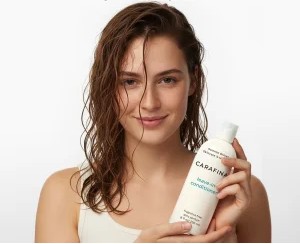
Your skin barrier is your body’s first line of defense against dryness, irritation, bacteria, pollution, and everyday environmental stress. When it is healthy, your skin feels calm, balanced, and hydrated. When it is damaged, you may notice tightness, burning, redness, flaking, rough texture, breakouts, or sudden sensitivity to products you used to tolerate. The skin barrier, often described as the outermost protective layer of the skin, helps keep moisture in and irritants out. Dermatology sources commonly recommend gentle cleansing, consistent moisturizing, and avoiding harsh or irritating ingredients as key steps in supporting barrier recovery.
What Causes a Damaged Skin Barrier?
A damaged skin barrier often happens when the skin is pushed too far by over-exfoliating, harsh cleansers, strong actives, weather changes, hot water, fragrance, or inconsistent moisturizing. Ingredients like retinoids, exfoliating acids, and acne treatments can be helpful, but using too many at once may lead to irritation. Environmental stressors such as cold air, low humidity, wind, sun exposure, and pollution can also leave the skin feeling dry and reactive. Even “natural” products can cause problems if they contain essential oils, citrus extracts, or strong fragrances. The goal of natural barrier repair is not to use more products, but to simplify your routine and help your skin regain balance.
Signs Your Skin Barrier Needs Repair
A weakened barrier can show up differently depending on your skin type, but the most common signs are dryness, stinging, redness, itching, and increased sensitivity. You may notice that moisturizers do not seem to last, or that your skin feels tight shortly after washing. Some people experience small bumps, uneven texture, or breakouts because irritation can disrupt the skin’s normal balance. Makeup may cling to dry patches, sunscreen may sting, and products that once felt gentle may suddenly feel uncomfortable. Cleveland Clinic notes that barrier damage can make skin more vulnerable to dryness, irritation, and sensitivity, which is why a calming routine matters.
Start With a Gentle Skin Barrier Repair Routine
A good skin barrier repair routine should be simple, consistent, and focused on comfort. In the morning, rinse with lukewarm water or use a gentle, fragrance-free cleanser if needed. Follow with a hydrating layer, a barrier-supporting moisturizer, and a broad-spectrum sunscreen. At night, cleanse gently, apply moisturizer while the skin is slightly damp, and seal dry areas with a thin layer of balm or ointment if your skin tolerates it. Avoid exfoliants, scrubs, peels, strong vitamin C, and retinoids until your skin feels calm again.
A simple routine may include:
- Gentle, non-foaming cleanser
- Fragrance-free moisturizer
- Ceramide, glycerin, hyaluronic acid, or colloidal oatmeal
- Mineral or gentle broad-spectrum sunscreen
- Optional petrolatum or plant-based balm on very dry areas
Choose Natural Ingredients That Support Healing
Natural skin barrier repair is about choosing soothing, low-irritation ingredients rather than chasing complicated trends. Colloidal oatmeal can help calm dry, itchy, sensitive skin and is commonly used in eczema-friendly products. Aloe vera may feel cooling for some people, but it should be used carefully because some formulas contain alcohol or fragrance. Plant oils such as sunflower seed oil, jojoba oil, and squalane can help soften the skin, but they work best when layered with a moisturizer rather than replacing one entirely. Ceramides, lipids, and moisturizers help reinforce the skin’s protective layer and reduce water loss, especially when used consistently.
Avoid Common Irritants While Your Skin Recovers
When your barrier is damaged, your skin needs fewer triggers and more patience. Pause exfoliating acids, physical scrubs, retinoids, benzoyl peroxide, strong acne treatments, and fragranced products for at least a couple of weeks. Avoid using hot water, cleansing brushes, drying masks, and toners that contain alcohol. Essential oils may sound gentle, but they can irritate sensitive or compromised skin. The American Academy of Dermatology recommends choosing moisturizers based on skin needs and looking for supportive options such as ointments, creams, and fragrance-free formulas for dry or sensitive skin.
Hydration and Moisture Are Not the Same
Hydration means adding water to the skin, while moisture means helping seal it in. A damaged barrier often needs both. Humectants like glycerin and hyaluronic acid attract water, while emollients and occlusives help soften and protect the skin. Applying moisturizer to slightly damp skin can help trap hydration before it evaporates. If your skin feels extremely dry, a thicker cream or balm may work better than a lightweight gel.
Repair Your Barrier From the Inside Out
Your daily habits can support your skin just as much as your topical routine. Drink enough water, eat a balanced diet with healthy fats, and prioritize sleep because the skin repairs itself during rest. Foods rich in omega-3 fatty acids, antioxidants, protein, and vitamins can help support overall skin health. Try to manage stress because stress can worsen sensitivity, breakouts, and inflammatory skin conditions. Natural repair works best when your skin is supported by both gentle products and healthy routines.
FAQ
How long does it take to repair a damaged skin barrier? Mild irritation may improve in a few days, but deeper dryness or sensitivity can take several weeks of consistent care. If symptoms persist, worsen, or include severe pain, cracking, bleeding, or infection, see a dermatologist.
Can I exfoliate while repairing my skin barrier? It is best to pause exfoliation until your skin feels calm, hydrated, and no longer stings. Restart slowly, no more than once a week at first.
Is coconut oil good for skin barrier repair? Coconut oil works for some people, but it can clog pores or irritate acne-prone skin. A fragrance-free moisturizer with ceramides or glycerin is usually a safer first choice.
Can a damaged barrier cause acne? Yes, irritation and dryness can make skin more reactive and may contribute to breakouts. Focus on calming the skin before adding strong acne treatments again.
Should I stop using retinol? Pause retinol if your skin is burning, peeling, or stinging. You can reintroduce it slowly once your barrier feels stable.
How to Keep Your Skin Barrier Healthy Long Term
Once your skin feels better, resist the urge to add every active ingredient back at once. Keep your routine simple and introduce one product at a time so you can see how your skin responds. Use sunscreen daily, moisturize consistently, and avoid over-cleansing or over-exfoliating. Think of your barrier as something you maintain, not something you fix once and forget. With a gentle skin barrier repair routine, nourishing ingredients, and steady habits, your skin can become calmer, stronger, and more resilient over time.