
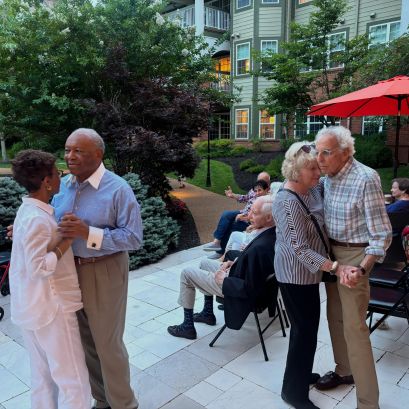
Self-reliance in later life depends on more than attitude. It also needs safe movement, steady nutrition, predictable routines, and less physical strain. Many older adults can manage personal choices well, yet home upkeep can drain stamina and increase the risk of falls. Independent living communities reduce those pressures while preserving privacy. The strongest models support autonomy through accessible housing, reliable services, social connection, and help that stays close without taking over.
More Choice, Less Burden
Families often compare St. Louis independent living when an older adult wants fewer household demands without surrendering daily authority. The practical question is rarely a luxury. It is whether the setting protects routines, mobility, friendships, meals, transportation, and personal decision-making while removing chores that can quietly erode energy, confidence, and safety.
Homes That Support Movement
A residence can either support aging joints or work against them. Step-free entries, steady lighting, wider halls, reachable cabinets, and easy bathroom access reduce unnecessary bending and twisting. These features matter because balance, grip strength, and visual contrast often change with age. A better layout helps residents dress, cook, read, and move through rooms with less fatigue.
Maintenance Without Stress
Household repair brings more than inconvenience. It can mean climbing ladders, lifting supplies, waiting for contractors, or delaying needed fixes. Independent living shifts landscaping, appliance issues, snow clearing, and routine upkeep to trained teams. That arrangement protects time and physical reserve. Residents still direct their day, but they avoid tasks that raise injury risk or create avoidable stress.
Safer Daily Routines
Safety works best when it supports movement instead of limiting it. Secure entries, well-lit walkways, emergency response systems, and visible staff can reduce hesitation during daily activities. A resident may feel more comfortable walking to dinner, joining an evening program, or returning after an outing. Family members gain reassurance, while the older adult keeps control over ordinary choices.
Dining With Flexibility
Nutrition affects strength, wound healing, medication tolerance, and immune function. Yet shopping, chopping, cooking, and cleanup can become tiring. Independent living often offers dining options alongside private kitchens. Residents may share a meal, prepare breakfast at home, or choose lighter food when appetite shifts. This flexibility supports nourishment without making meals feel clinical or controlled.
Transportation That Expands Options
Reduced driving should never mean reduced participation. Scheduled transportation helps residents get to medical appointments, stores, cultural events, and local appointments. Reliable rides preserve independence because plans do not always depend on relatives. Access also protects health. Missed appointments, skipped errands, and social withdrawal can build quickly when transportation becomes uncertain or physically taxing.
Social Life With Boundaries
Connection has a measurable health value. Loneliness is linked to poorer sleep, higher stress hormone levels, and lower activity levels. A community setting can make contact easier through lectures, clubs, fitness sessions, volunteer work, and informal neighborly moments. Participation remains voluntary. That distinction matters because self-reliance includes the right to join others, decline invitations, and enjoy private time.
Wellness Built Into The Week
Regular movement helps preserve muscle mass, balance, circulation, and joint range of motion. Independent living communities often place fitness classes, walking groups, balance practice, and health talks close to home. Proximity lowers the effort needed to participate. Over time, small routines can support steadier gait, better endurance, improved mood, and greater confidence during daily tasks.
Support For Family Relationships
When home management becomes lighter, family visits can improve. Adult children may spend less time arranging repairs, coordinating errands, or worrying about meals. Conversations can return to shared history, plans, and companionship. The older adult also keeps more authority over personal choices. Support remains present, but it no longer has to revolve around urgent household problems.
Privacy Still Comes First
Self-reliance needs a real front door, familiar belongings, and control over time. Independent living typically provides private residences with services nearby. Staff can assist with practical needs, yet residents decide what each day looks like. That balance respects adulthood. Privacy also supports emotional steadiness because a person can rest, host, read, pray, or reflect without constant interruption.
Planning For Future Needs
Moving before a crisis can protect choice. A rushed decision after illness, a fall, or caregiver burnout often limits options. Earlier planning allows for careful comparison, gradual adjustment, and stronger relationships with neighbors. Nearby helpful services may also make later health changes easier to manage. Planning ahead does not reduce independence. It often preserves more of it.
Conclusion
Independent living communities help seniors remain self-reliant by reducing barriers to daily functioning. The right setting protects privacy, supports safe movement, improves access to meals and transportation, and keeps social connections within reach. Residents conserve energy for meaningful routines instead of constant home management. When support is practical and respectful, older adults can keep making decisions, maintain dignity, and live with greater comfort each day.