Parent involvement gives applied behavior analysis a stronger path from clinic teaching to daily use. Skills grow when children practice them during meals, dressing, play, errands, and rest. A therapist may teach a request, coping response, or social action during treatment, yet home repetition helps that skill hold. Caregiver participation also gives clinicians a better context, which can make goals more useful and easier to maintain.
Local Care Connection
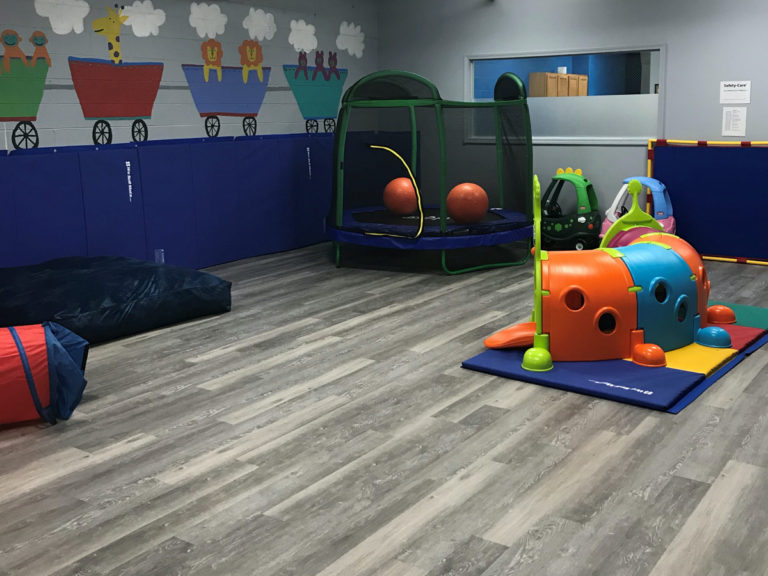
Families comparing center-based care often need more than a schedule and location. Clinical fit includes communication goals, peer practice, feeding routines, toilet training, safety work, and caregiver coaching. Parents reviewing ABA therapy in Hermosa, Chicago, IL, can consider how a full-day setting gives children repeated chances to practice skills across meals, play, transitions, and group activities.
Why Parents Matter
Parents notice details that rarely appear during one session. Sleep quality, appetite shifts, sensory stress, medication timing, and sibling dynamics can change behavior. Those observations help clinicians read data with better judgment. Caregivers also see early progress, such as a shorter protest or clearer request. Small reports can shape treatment decisions.
Consistency Builds Learning
Children learn more easily when adults use similar cues and responses. If a therapist teaches asking for help, home routines should support that same request. Matching prompts, praise, and follow-through lowers confusion. Perfect technique is less important than steady practice. Families can choose one target during meals, bath time, cleanup, or bedtime.
Daily Routines Help
Therapy practice should fit ordinary life. Brushing teeth, putting on shoes, waiting for food, and cleaning up toys all create useful teaching moments. Short practice periods protect attention and reduce fatigue. A child who requests juice at breakfast may later request space during school. Routine-based learning gives each goal a real purpose.
Better Data From Home
Clinical data is stronger when it includes home patterns. Parents can record sleep, toileting, new words, transition length, self-injury, elopement risk, or calming strategies. Notes do not need to be long. A date, time, trigger, response, and outcome often tell enough. That record helps the team spot progress or adjust support.
Training Reduces Stress
Parent coaching turns clinical terms into usable steps. Caregivers can learn how to prompt, reinforce, pause, redirect, and respond after unsafe behavior. Practice with feedback builds confidence during challenging routines. Relatives, babysitters, and other caregivers may need the same approach. Shared methods reduce mixed signals and support steadier regulation.
Communication Supports Trust
Strong care depends on clear exchange, not one-way reporting. Therapists should explain goals in plain language, with examples that parents can try at home. Caregivers should share concerns early, especially if a plan feels hard to use. Regular check-ins keep priorities current. Written steps, brief videos, or role play can prevent confusion.
Social Skills Need Practice
Social goals need many partners and settings. Parents can support turn-taking, greetings, waiting, sharing, and asking to join during sibling play or community outings. Gentle prompts help children notice cues without pressure. Praise should follow quickly when a child responds. Real interactions help skills become flexible and not tied to one room.
Home Safety Matters
Safety plans require repeated practice outside therapy rooms. Families may work on holding hands, stopping near streets, staying close in stores, or asking before opening doors. Short rehearsal during walks or errands can build muscle memory. Consistent wording helps children link a rule with an action. Any safety concern should be shared promptly.
School Readiness Grows
School readiness begins before the classroom start date. Parents can practice sitting briefly, following one-step directions, waiting, packing items, and shifting between activities. These skills support group routines and reduce transition stress. Therapists may suggest realistic practice times based on attention and stamina. Small home tasks can prepare children for larger demands.
Culture And Language Count
Family culture shapes care. Meal routines, discipline beliefs, language use, and household schedules all affect whether a plan works. Clinicians should respect those factors when setting goals. Spanish support, interpretation, or translated caregiver materials can improve access. Parents should ask questions in the language they use most. Good collaboration honors family identity.
Conclusion
Parent involvement strengthens applied behavior analysis by connecting treatment goals with daily life. Clinicians bring assessment, planning, and data review, while families bring lived context and repeated practice. Progress often appears first in small moments, such as calmer waiting or clearer requesting. When caregivers feel informed, respected, and prepared, children receive more consistent support across the routines that shape development.