
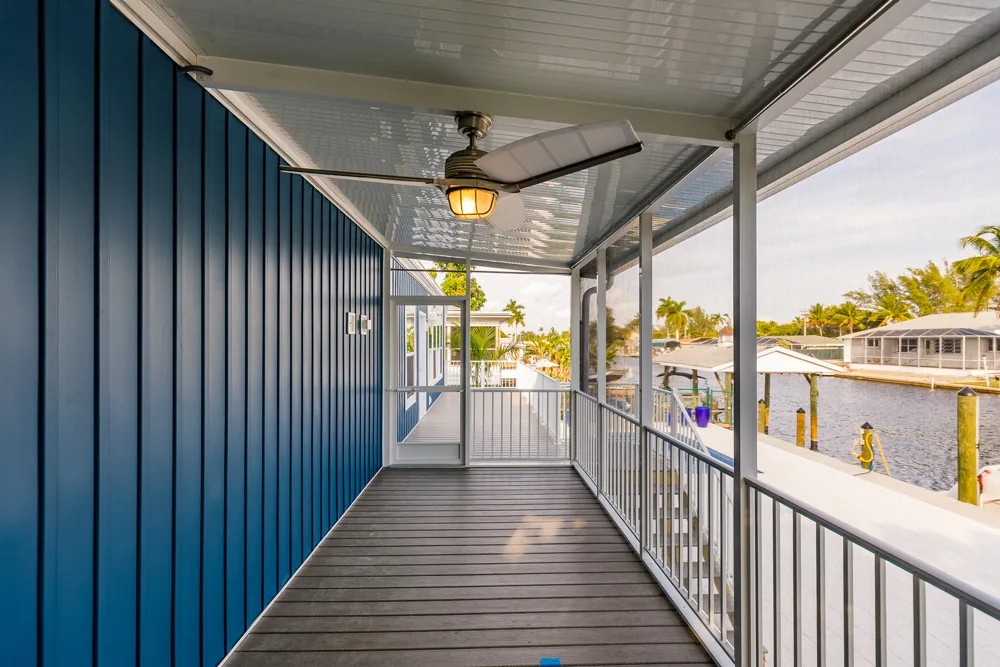
Buying modular homes in Florida can be a smart move for buyers who want a modern home, a more predictable construction process, and a property that is built to the same core standards as traditional site-built housing. Modular homes are built in sections inside a factory, transported to the home site, and assembled on a permanent foundation. That makes them different from manufactured homes, which are built to the federal HUD Code and are typically constructed on a chassis. In Florida, modular homes are regulated as manufactured buildings and must meet the Florida Building Code, along with local permitting and inspection requirements. Florida law also states that the Florida Building Code and Florida Fire Prevention and Lifesafety Codes are the minimum construction requirements for manufactured buildings.
Modular Homes Are Not the Same as Manufactured Homes
One of the first things to understand is the difference between modular and manufactured homes. Both are factory-built, but they are regulated differently and treated differently during installation, financing, zoning, and insurance. The Florida Building Commission explains that modular homes are designed, built, permitted, and inspected to the Florida Building Code, and they must be installed on permanent foundations. Manufactured homes, by contrast, are built to the federal HUD Code and have different placement, installation, and titling rules. This distinction matters because it can affect where you can place the home, how it is financed, how it is insured, and how it may be valued over time.
For many buyers, modular homes feel closer to traditional site-built homes than mobile or manufactured homes. They can often be placed in residential neighborhoods where zoning allows single-family homes, although local rules still need to be checked carefully. Because they sit on permanent foundations, modular homes are typically treated more like conventional real estate. That can be helpful when it comes to resale, appraisals, and mortgage options. Still, buyers should never assume approval is automatic just because a home is modular.
Florida Building Codes Matter
Florida has unique construction concerns because of hurricanes, high winds, humidity, salt air, heavy rain, and flood risk. A modular home in Florida must be designed for the site where it will be installed, not just for general use in the state. This includes structural requirements, wind load requirements, foundation design, energy standards, and local inspection rules. The Florida Building Code Online system includes resources for manufactured, or modular, buildings, including plan approval, insignia, and organization tools. These details can seem technical, but they directly affect whether your home can be legally placed and occupied.
Before buying, ask the builder or dealer whether the home is approved for your specific county and parcel. Florida coastal areas may have stricter wind and flood requirements than inland areas. Some areas may also fall within High-Velocity Hurricane Zones, flood zones, coastal construction zones, or local overlays that affect design and permitting. You should also confirm whether the home’s plans have the necessary Florida approvals before you sign a contract. A beautiful floor plan is not enough if it cannot meet the requirements for your specific site.
Land, Zoning, and Permits Come First
Before falling in love with a modular home model, make sure you know where it will go. The land must be properly zoned, accessible for delivery, suitable for foundation work, and able to connect to utilities. Local governments may have rules about setbacks, minimum square footage, roof pitch, exterior materials, garages, driveways, drainage, and architectural design. Even if modular homes are allowed, your selected model may still need to meet community or neighborhood standards. If the property is in an HOA, deed-restricted community, or planned development, review those rules before ordering anything.
You should also understand the permitting sequence. A modular home project usually involves factory approval, site permits, foundation permits, utility permits, inspections, and final occupancy approval. Delivery may require road access, crane access, temporary staging space, and sometimes special transportation coordination. These steps can add time and cost if they are not planned early. A good builder or general contractor should help you understand what is included and what remains your responsibility.
Know the Full Cost, Not Just the Base Price
A modular home’s advertised price may not include everything required to move in. The base price may cover the home modules only, while land, foundation, transport, crane work, permits, utility connections, septic or sewer, well or water service, driveway, steps, porches, garages, landscaping, impact fees, and site preparation may be separate. This is why two buyers can choose the same home model and end up with very different final costs. Florida site conditions can also affect pricing, especially if the land needs clearing, fill, drainage improvements, elevation work, or specialized engineering. Always ask for a detailed written estimate before comparing modular homes in Florida.
Common cost items to review include:
- Land purchase or lot preparation
- Foundation design and construction
- Delivery and crane placement
- Building permits and local impact fees
- Utility connections
- Septic, sewer, well, or water service
- Driveway, grading, and drainage
- Porches, decks, steps, and garages
- Insurance and financing costs
- Change orders and upgrade packages
Financing May Be Similar to Site-Built Homes
Because modular homes are placed on permanent foundations and built to state and local building codes, financing may look more like traditional home financing than manufactured home financing. Many buyers use construction loans, construction-to-permanent loans, conventional loans, FHA loans, VA loans, or other mortgage products, depending on eligibility and property details. The exact options depend on the lender, builder, land status, appraisal, and whether the home will be your primary residence, second home, or investment property. Lenders will usually want to review the builder, plans, contract, land ownership, permits, and project budget. It is best to speak with lenders before signing a purchase agreement.
Buyers should ask whether the lender has experience with modular construction. A lender who understands the process can help prevent delays around draw schedules, inspections, appraisals, and final conversion to a permanent mortgage. You should also ask how change orders are handled during construction. Some upgrades may need to be included in the original loan package, while others may require cash out of pocket. Getting financing aligned early makes the rest of the project much smoother.
Insurance and Flood Risk Need Careful Review
Florida insurance is a major factor for any homebuyer, including buyers of modular homes. Modular homes are generally insured more like traditional homes because they are built to building code and installed on permanent foundations. However, the exact premium will depend on location, age, construction details, roof type, wind mitigation features, flood zone, elevation, claims history, and insurer appetite. Flood risk is especially important because standard homeowners’ insurance typically does not cover flood damage. In Florida, flood zones can influence insurance requirements, building requirements, mortgage approval, and long-term ownership costs.
Before buying land or ordering a home, request insurance estimates. You may also want an elevation certificate, flood zone determination, wind mitigation information, and details about roof, opening protection, anchoring, and foundation design. If the home is in a Special Flood Hazard Area, your lender may require flood insurance. Even outside high-risk flood zones, some homeowners choose flood coverage because heavy rain and storm surge can cause costly damage. Insurance should be part of your early budget, not something you check after the home is already ordered.
Builder Selection Is Critical
Choosing the right builder is one of the most important decisions in the process. A good modular home builder should understand Florida codes, local permitting, foundation requirements, delivery logistics, and inspection timing. They should also be transparent about what is included in the contract and what is handled by separate contractors. Ask how long they have worked in Florida, which counties they serve, and whether they have completed homes similar to yours. You should also ask for references, model home tours, warranty details, and examples of completed projects.
When comparing builders, look beyond the floor plan. Review specifications for roofing, insulation, windows, doors, HVAC, cabinetry, flooring, appliances, exterior finishes, and structural design. Ask who manages the site work, who pulls permits, and who coordinates inspections. You should also understand the warranty process after move-in. A lower price may not be a better value if it leaves you responsible for too many tasks or exposes you to unclear costs.
FAQ About Modular Homes in Florida
Are modular homes allowed in Florida?
Yes, modular homes are allowed in Florida when they meet the Florida Building Code, local zoning rules, permitting requirements, and site-specific construction standards.
Are modular homes the same as mobile homes?
No. Modular homes are built to the Florida Building Code and placed on permanent foundations, while mobile or manufactured homes are built to the federal HUD Code.
Do modular homes hold value?
They can hold value similarly to site-built homes when they are well-built, properly installed, located on owned land, and maintained. Location, market conditions, insurance costs, and land value also matter.
Can modular homes withstand hurricanes?
A modular home must be designed for the applicable Florida wind requirements for its site. Buyers should confirm wind ratings, foundation design, opening protection, roof specifications, and local code compliance.
How long does it take to build a modular home in Florida?
Timelines vary by builder, permitting, land preparation, factory schedule, inspections, and weather. Factory construction can be efficient, but site work and approvals can still take time.
Do I need land before buying a modular home?
It is best to identify the land first or work with a builder who can evaluate your lot. The home must fit the property, zoning, foundation requirements, utilities, and delivery access.
Final Tips Before You Buy
The best modular home purchase starts with research, not a floor plan. Begin by confirming your land, zoning, flood zone, utilities, and local permitting requirements. Then compare builders, specifications, warranties, insurance estimates, and total project costs. Ask for written answers whenever possible, especially around what is included in the contract. This helps you avoid surprises during construction and makes it easier to compare competing quotes.
Modular homes in Florida can be an excellent choice for buyers who want a modern home with factory-built efficiency and traditional building-code compliance. They can offer design flexibility, faster construction in some cases, and a real-property ownership structure that appeals to many buyers. Still, success depends on choosing the right site, builder, lender, insurer, and project team. Do not rush the process or rely only on advertised pricing. With careful planning, a modular home can give you comfort, value, and long-term confidence in one of the country’s most desirable housing markets.