
Weight management has entered a new era. Rather than relying solely on restrictive diets or short-term fitness trends, more people are turning to clinically supervised programs that combine medical expertise with sustainable lifestyle changes. This shift reflects a growing understanding that obesity and excess weight are complex health issues influenced by genetics, metabolism, behavior, and environmental factors. As healthcare providers adopt more personalized approaches, patient expectations are evolving toward long-term health improvements rather than rapid, temporary results.
A Shift Toward Evidence-Based Weight Management
The conversation around weight loss has become increasingly science-driven. Healthcare professionals now emphasize individualized treatment plans that consider each patient’s medical history, health risks, and personal goals.
This evidence-based approach encourages patients to view weight management as an ongoing healthcare journey rather than a short-term challenge. Regular monitoring and professional guidance help ensure that treatment strategies remain safe, realistic, and appropriate for changing health needs.
The Role of Medical Support in Long-Term Success
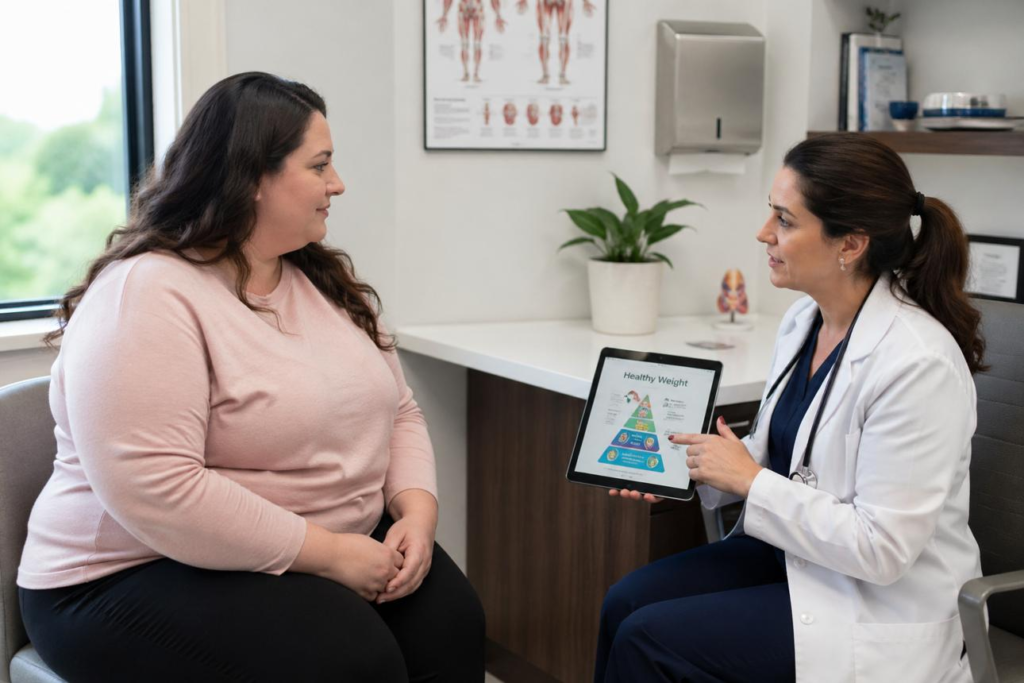
Clinically supervised weight management programs often combine nutritional guidance, physical activity recommendations, behavioral support, and medical evaluation. This comprehensive approach allows healthcare professionals to address multiple factors influencing body weight rather than focusing on a single intervention.
For some individuals, prescription treatments such as Saxenda may form part of a broader medical weight management plan. When prescribed by qualified healthcare professionals, these treatments are generally intended to complement healthy lifestyle changes rather than replace them.
Patients Now Expect Personalized Care
Modern patients increasingly expect healthcare solutions that are tailored to their individual circumstances. Rather than following generalized advice, many people prefer treatment plans designed around their health conditions, daily routines, and long-term objectives.
Clinically supervised programs meet these expectations by providing ongoing assessments, tracking measurable progress, and making adjustments as needed. This personalized approach often helps patients remain engaged while building healthier habits that are more likely to be sustained over time.
Technology Is Supporting Better Outcomes

Digital health technologies have strengthened the effectiveness of medically supervised weight management. Mobile health applications, virtual consultations, wearable fitness devices, and electronic health records allow healthcare professionals to monitor progress and communicate with patients more efficiently.
These digital tools also encourage greater accountability and participation, making it easier for patients to follow treatment plans while maintaining regular contact with their healthcare teams.
Redefining Success Beyond the Scale
Healthcare providers increasingly encourage patients to measure success using a broader range of health indicators rather than focusing solely on body weight. Improvements in physical fitness, blood pressure, blood sugar management, mobility, sleep quality, and overall well-being are now recognized as valuable outcomes.
Patients who receive treatments such as Saxenda within a clinically supervised program are often encouraged to focus on these wider health improvements alongside gradual, sustainable weight management. This broader perspective helps reinforce healthy behaviors that support long-term well-being.
The Future of Patient-Centered Weight Management

As obesity care continues to evolve, clinically supervised weight management is expected to become an increasingly important part of preventive healthcare. Greater personalization, ongoing professional support, and advances in medical science are helping reshape expectations for both patients and healthcare providers.
Rather than seeking quick solutions, more individuals are embracing comprehensive treatment strategies that integrate medical expertise with lasting lifestyle changes. This patient-centered model represents a significant step forward in helping people achieve healthier outcomes while supporting long-term quality of life.