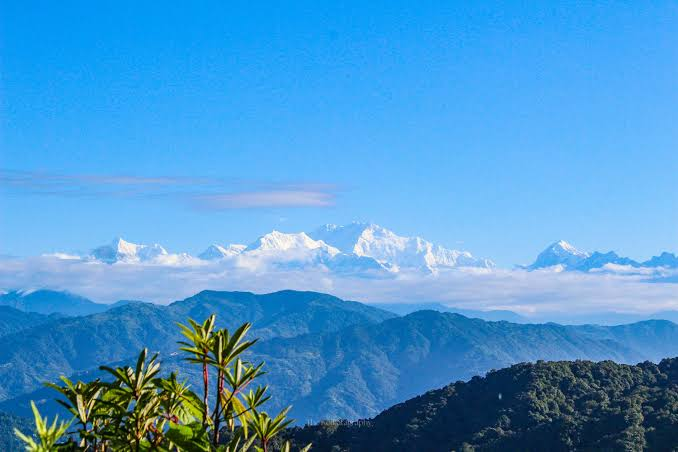
There are treks in Nepal that feel busy, familiar, and easy to follow. And then there is Kanchenjunga. Set in the far eastern part of the country, near the border with India’s Sikkim, the Kanchenjunga region is one of the least visited trekking areas in Nepal.
The mountain itself—Mount Kanchenjunga—rises to 8,586 meters, making it the third-highest peak on Earth. But unlike Everest or Annapurna, the trails here remain quiet.
For travelers who have already experienced routes like the Manaslu Circuit Trek, Kanchenjunga often feels like a step further into remoteness—less developed, less crowded, and more spread out.
Where the Trail Begins
Most journeys into Kanchenjunga begin with a flight from Kathmandu to Bhadrapur, followed by a long drive toward the hills of eastern Nepal. From there, the trek starts at relatively low elevations, often around Taplejung.
The early days pass through villages, terraced fields, and forested hills. It doesn’t feel remote at first. But with each day, the trail moves further away from roads and regular access points.
Unlike the more central trekking regions, where routes are well defined and widely used, the Kanchenjunga trail feels more gradual. There is no sudden shift during this hike to one of the remotest trekking trails of Nepal. Rather, the trek of Kanchenjunga is a steady movement deeper into the mountains.
A Different Kind of Trekking Landscape
The landscape on this trek doesn’t change all at once—you notice it slowly as you keep walking.
Initially, you pass through green hills, small villages, and cardamom fields. It feels similar to other parts of Nepal up to this point. The changes begin to be evident after a few days. There are fewer trees, the air feels sharper, and the trail opens up a bit more with each step.
By the time you arrive at Pangpema or Oktang, it’s a different kind of place altogether. There is not much greenery left on the trekking trail. And you are walking on open ground, often covered in ice, with mountains rising all around you.
Villages and Life Along the Route
Villages along the Kanchenjunga trail don’t come as often, and when they do, they feel more spread out.
Places like Ghunsa are some of the main stops. Life here is simple and shaped by the surroundings. People rely on farming, livestock, and seasonal work, and you can see that in how the day moves.
The communities in this region—Rai, Limbu, and those with Tibetan roots—have their own way of doing things. Because fewer trekkers pass through, interactions feel more natural and less centered around tourism.
Teahouses are available, but they are basic. You won’t find much variety, and facilities are limited. Still, they do what they need to—give you a place to eat, rest, and get ready for the next day.
The Route and Its Challenges
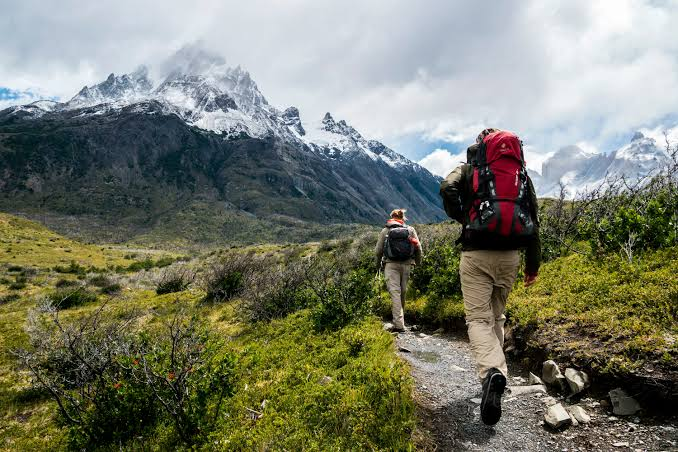
The Kanchenjunga trek isn’t something you rush—it takes time to settle into it. Most people spend around three weeks on the trail, especially if they plan to visit both base camps.
It’s not a technical climb, but that doesn’t make it easy. The days can feel long, and you are gradually gaining altitude as you go. In the more remote stretches, facilities are basic, so you learn to adjust to simpler conditions along the way.
Getting from the north to the south base camp usually involves crossing high passes like Sele La, which sits above 4,000 meters. These sections can be unpredictable, and a lot depends on the weather holding up.
Altitude is something you notice as the days go by. Trekkers usually slow down and spend a bit of extra time in places like Ghunsa to acclimatize before moving higher.
Access and Permits
Kanchenjunga falls under a restricted trekking area, so you can’t go there on your own. You need to be with a licensed guide and travel, even if you want to trek independently.
To enter the region, you will need a couple of permits:
- Restricted Area Permit
- Kanchenjunga Conservation Area Permit (KCAP)
These rules are mostly there because the region is remote. Help isn’t always close by, and infrastructure is limited compared to more popular trekking areas.
Getting in and out of the Kanchenjunga region also takes some planning. Roads don’t reach the main trekking points, so you will usually combine flights and drives. Weather can cause delays or changes to flights, so it’s advisable to include some buffer time in your plan.
Wildlife and Natural Diversity
The Kanchenjunga region doesn’t get talked about much for its wildlife, but it’s actually quite rich in that sense.
You might not see much every day, but the area is home to animals like red pandas, snow leopards (though spotting one is rare), Himalayan black bears, and a range of birdlife.
The landscape changes a lot as you move along the trail—from forested lower sections to more open, high-altitude terrain—and that’s what allows different kinds of wildlife to exist here.
You don’t walk expecting sightings. But in a place that still feels undisturbed, you cannot help but notice the biodiversity.
Why It Feels Different
The Kanchenjunga trek is unique not just for its remoteness, but also for its atmosphere.
There aren’t many people on the trail. Some days, you might walk for hours without seeing anyone. When you happen to pass through villages, the atmosphere is serene, and you realize life unfolds at its own rhythm.
There’s no rush, no big crowds gathering at teahouses, and no constant noise. After a point, the trek stops feeling like a trekking route. It becomes more about just moving through the landscape, one day at a time.
Who This Trek Is For
This trek isn’t for everyone. It’s for those who have hiked before and can handle longer days and remote areas. It also helps if you don’t mind simple places to stay.
For most people, it’s not the kind of trek you start with in Nepal. Guides at Radiant Treks often suggest that first-time trekkers begin with more established routes before attempting the remote Kanchenjunga. That is because they allow travelers to experience high-altitude trekking in the Himalayas, where the logistics are easier. Even the overall itinerary is shorter.
Kanchenjunga Circuit Trek, on the other hand, is for the experienced ones. The distance, logistics, and remoteness make the Kanchenjunga trek better suited to those who already understand how trekking in the Himalayas works.
Final Thoughts
The Kanchenjunga region remains one of the least altered trekking areas in Nepal. It has not developed at the same pace as Everest or Annapurna, and that is part of its appeal.
The trail is longer, quieter, and less predictable. It requires more time, more preparation, and a willingness to be away from familiar comforts.
For those who have already explored routes like the Manaslu Circuit Trek, the trek feels like a more remote extension of that experience—quieter, less structured, and more spread out.
If you are someone willing to walk the full route, Kanchenjunga feels different. Expert guides at Radiant Treks say that it is quieter, more open, and less touched by tourism—something that’s getting harder to find elsewhere.