
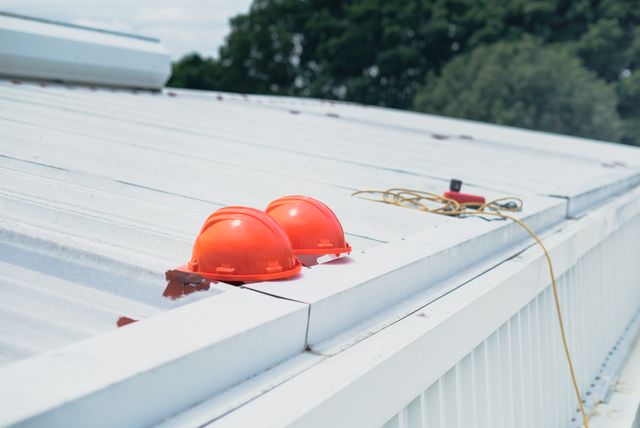
Maintaining a healthy household involves monitoring structural areas located directly above your living quarters. A secure top barrier keeps unpredictable external elements from affecting your internal atmosphere.
Neglecting minor structural issues above your head leads to unseen environmental health hazards. Clean breathing conditions start with solid structural protection across your entire overhead system.
Hidden Water Intrusion From Overhead Leaks
Water damage begins in dark attic spaces where property owners cannot easily see early warning signs. Small drips from compromised shingles accumulate in insulation over several weeks. This quiet accumulation introduces unwanted dampness into your home.
Property owners frequently overlook early indicators of structural degradation before stains appear on ceilings. Hiring a qualified roofing contractor helps identify these compromised barriers before severe wood rot takes hold. Safe living conditions require constant vigilance against moisture migration.
Unchecked moisture weakens wooden supports and standard drywall ceiling panels. Left unaddressed, these wet zones turn into active breeding grounds for microscopic organisms. Your family breathes the shared air circulating through these compromised structural zones.
How Airborne Contaminants Enter Living Spaces
Air circulation patterns move microscopic particles throughout every room. Many individuals assume their indoor living spaces remain shielded from outdoor environmental shifts. External atmospheric changes affect internal conditions far more than typical property owners realize.
Global environmental assessments reveal surprising information regarding global air conditions. A report published by international health organizations shows that a mere 1% of the global population breathes clean outdoor air. This statistical reality shows the need for maintaining pristine conditions inside properties.
When poor outdoor atmospheric conditions combine with structural property defects, individual wellness risks increase. Standard insulation fails to trap microscopic pollutants when water damages the outer barrier. Clean ventilation pathways remain your primary defense against these incoming irritants.
Structural Damage Spreads Invisible Spores
A broken top barrier allows harsh weather elements to penetrate deep inside your residential framing. Stagnant pockets of liquid accumulate in recessed areas hidden from everyday view. These damp environments quickly degrade common building materials like plywood and ceiling tiles.
An industry publication notes that roof defects or poor structural drainage introduce moisture that stays hidden behind drywall panels. This concealed moisture spreads quietly into subflooring materials without showing immediate warning signs. Indoor occupants inhale these traveling particles without identifying the true origin.
Particle accumulation damages physical items while reducing the wellness of everyone inside. Trapped airborne elements travel freely through standard heating vents and cooling ducts. Routine structural maintenance stops these biological elements from multiplying throughout your shared living zones.
Managing Relative Humidity Levels Indoors
Controlling indoor climate variables keeps your family safe from airborne health threats. Excess humidity creates an accommodating environment where hidden biological contaminants multiply rapidly. Tracking internal moisture metrics remains a primary defense strategy for alert homeowners.
Environmental guidelines offer clear targets for keeping residential properties safe. The protection agency suggests specific moisture parameters for interiors:
- Keep indoor relative humidity below 60 percent inside your property.
- Target a precise range between 30 and 50 percent for ideal safety.
Meeting these parameters prevents dangerous biological agents from spreading through common rooms.
Specialized dehumidification units assist property owners in monitoring these exact percentages during changing seasons. Consistent tracking minimizes the likelihood of hidden biological growth inside wall cavities. Tiny adjustments to your climate control setup create a healthier environment.
The Invisible Risk Behind Your Ceiling
Upper crawlspaces often harbor significant environmental hazards without attracting immediate attention. Homeowners rarely inspect their upper structural framing until severe staining occurs on ceilings. Dark environments combined with trapped heat accelerate negative biological reactions within damp insulation.
Internal air currents pull loose particles down from damaged insulation blankets into active living zones. Standard drywall configurations cannot block microscopic contaminants when structural gaps exist around fixtures. Sealing these small openings protects your household from breathing fine dust particles.
Investing time in routine attic inspections saves money on extensive remediation efforts later. Dry insulation materials preserve stable internal temperatures while protecting ventilation systems. Safe breathing conditions depend heavily on maintaining a dry upper structural barrier.
Recognizing Respiratory Symptoms Early
Degraded air quality causes sudden physical discomfort for sensitive individuals living inside compromised properties. People mistake these environmental responses for standard seasonal issues or typical changing weather patterns. Persistent breathing discomfort or unexplained eye irritation indicates internal pollution problems.
Asthma sufferers experience increased respiratory irritation when airborne particle counts rise due to structural dampness. Prolonged exposure leads to unexplained physical fatigue and chronic sinus discomfort. Eliminating the primary moisture source stops these physical ailments from worsening.
Consulting qualified medical professionals helps residents identify the root causes of sudden illness symptoms. Cleaning your immediate living environment supports long-term physical wellness for your family. Safe breathing spaces protect young children and elderly relatives from developing chronic issues.
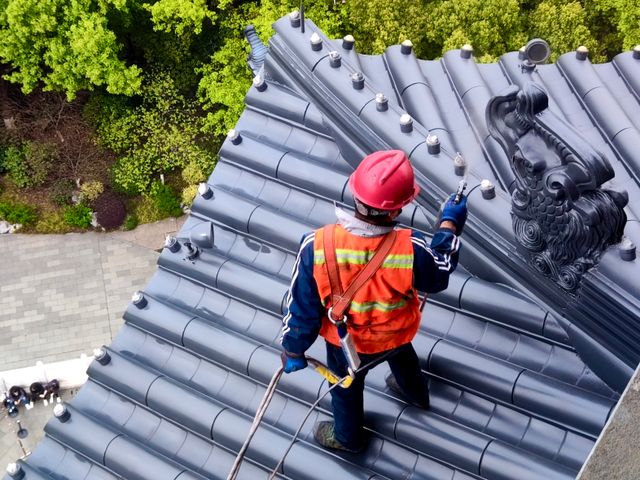
Protecting your indoor living space requires consistent attention to your overhead structural systems. Repairing small structural imperfections early prevents major environmental quality emergencies from developing inside your home later.
Taking proactive maintenance steps guarantees a cleaner breathing environment for everyone residing inside your property. Secure residential structures provide lasting peace of mind alongside long-term physical health protection.