Most home cooks tolerate dull knives far longer than they should. The blade drags, prep takes longer, and cuts come out ragged instead of clean. Blade maintenance rarely gets the attention it deserves outside professional kitchens, but it should. The condition of a knife directly shapes how food looks, how safely it gets prepared, and how much effort cooking actually demands. A reliable sharpening routine is one of the most practical habits any home cook can build.
Why Blade Sharpness Matters More Than Most Realize
A sharp knife does more than cut faster. It gives the cook genuine control over each motion, which leads to cleaner results and better-looking food. When a blade glides through produce rather than tearing through it, less cell damage occurs. That distinction is not just cosmetic; it affects taste and texture too, particularly with aromatics like onions and herbs.
Cooking is simply more enjoyable when the tools respond properly. Blade care is one of the least complicated improvements available, yet it remains widely ignored.
The Connection Between Dullness and Kitchen Accidents
It sounds counterintuitive, but dull knives create more hazards than sharp ones. A blade that fails to grip food cleanly forces the cook to push harder, and that extra pressure is what causes slipping. A sharp edge cuts predictably with light, deliberate force. That reliability matters every time a knife meets a cutting board.
What a Sharpening Kit Actually Includes
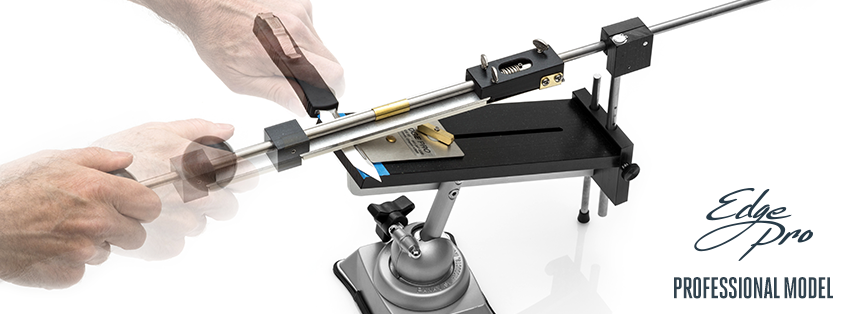
Many home cooks assume that maintaining a blade requires professional equipment or formal training. A quality knife sharpener kit puts everything needed into one place, making the process far more approachable. Most kits include sharpening stones in multiple grits, an angle guide to keep the blade consistent, and a honing rod for routine maintenance between full sharpenings. Having those components together removes the guesswork that stops most people from starting.
Understanding Grit Levels
Sharpening stones are rated by grit, and each level serves a different stage of the process. Coarse stones, typically in the 120 to 400 range, reshape edges that are significantly worn. Medium grits, around 800 to 1,000, refine the edge after that initial work. Fine and extra-fine stones, from 2,000 upward, bring the blade to a polished, hair-splitting finish. Skipping stages or using the wrong grit produces an edge that looks sharp but performs poorly.
How Regular Maintenance Affects Cooking Performance
A knife sharpened once and then neglected loses its edge gradually, often without the cook noticing until performance has dropped considerably. Honing addresses this issue by realigning the blade between full sharpening sessions. A honing rod does not strip metal; it corrects the small bends that develop with regular use. Taking thirty seconds to run the knife along a honing rod before cooking keeps the edge performing at its best for far longer.
Home cooks who build this habit consistently tend to notice shorter prep times and a calmer, more confident approach to kitchen work overall.
How Often Sharpening Is Actually Needed
Usage and cutting habits determine the schedule. A cook who prepares meals daily will likely need a full sharpening every two to three months, with honing done several times each week. Knives used less frequently may only need attention once or twice a year. Testing the blade on something soft, like a ripe tomato, is a reliable and quick way to gauge whether sharpening has become necessary.
Choosing the Right Kit for Home Use
The right kit depends on experience level and what types of knives are in use. Guided systems hold the stone at a fixed angle throughout the process, which makes them well-suited for anyone still building confidence with freehand technique. Freehand stones offer more flexibility across different blade geometries and are often preferred by cooks who sharpen regularly.
Cost does not always reflect quality. A mid-range kit used consistently and correctly will deliver better long-term results than an expensive one that gets misused or ignored.
Conclusion
Sharp knives reduce prep time, improve the quality of every cut, and make the kitchen a safer place to work. Maintaining that sharpness does not require specialized training or a significant investment of time. A dependable sharpening kit, paired with a consistent maintenance habit, is enough to transform how knives perform day to day. For home cooks who want better results with less effort, this improvement is one of the simplest and most rewarding changes they can make.