
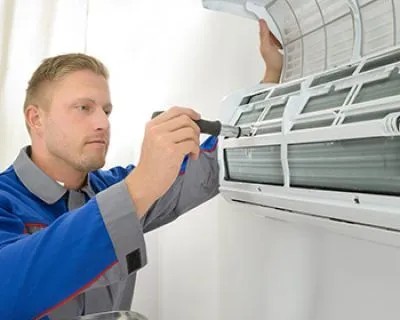
Seasonal weather changes place different demands on heating and cooling systems throughout the year. As temperatures shift from one extreme to another, HVAC equipment must adapt to maintain indoor comfort and efficiency. Without proper preparation, these transitions can place unnecessary strain on system components and increase the risk of performance issues.
Many homeowners focus on their heating and cooling systems only when temperatures become uncomfortable. However, waiting until the peak of summer or the coldest part of winter can make it more difficult to address developing concerns. Preparing equipment before seasonal demands increase often leads to better performance and fewer unexpected problems.
Climate Systems Air Conditioning & Heating helps homeowners take a proactive approach to system care. By preparing equipment ahead of changing weather conditions, homeowners can maintain reliable comfort while supporting long-term system performance.
Why Seasonal Preparation Matters
Heating and cooling systems operate under different conditions throughout the year. During summer, cooling equipment may run for extended periods to manage indoor temperatures. In winter, heating systems often face similar demands as they work to maintain warmth.
These periods of heavy usage can reveal hidden inefficiencies or mechanical issues that developed during less demanding months. Small concerns that seem insignificant during mild weather may become more noticeable when systems are operating continuously.
An HVAC contractor in North Pittsburgh helps identify and address these issues before seasonal demands increase. Early preparation improves reliability and helps ensure equipment is ready to perform when it is needed most.
Understanding the Impact of Seasonal Demands
Increased Workload During Extreme Temperatures
As temperatures rise or fall significantly, HVAC systems must work harder to maintain comfortable indoor conditions. This increased workload affects multiple components, including motors, fans, airflow systems, and temperature controls.
Equipment that has not been properly maintained may struggle to keep up with these demands. Reduced efficiency can lead to longer operating cycles and increased energy consumption.
Preparing systems before seasonal extremes helps reduce stress on equipment and supports more dependable performance.
Preventing Seasonal Performance Issues
Many common HVAC problems become noticeable only when systems are under heavy demand. Addressing potential concerns in advance helps reduce the likelihood of interruptions during periods when comfort is most important.
Preparation creates a stronger foundation for reliable operation throughout the season.
Evaluating System Performance Before Weather Changes
One of the most valuable aspects of seasonal preparation is the opportunity to assess overall system performance. Heating and cooling equipment can gradually lose efficiency without producing obvious warning signs. Small changes often develop slowly and may go unnoticed by homeowners.
Professional evaluations help identify airflow concerns, worn components, and other issues that could affect performance later. Detecting these conditions early often allows for simpler and more cost-effective solutions.
Climate Systems Air Conditioning & Heating works with homeowners to assess equipment readiness before seasonal transitions occur. Early attention helps maintain consistent comfort and reduces the risk of unexpected disruptions.
Improving Airflow for Better Efficiency
Why Airflow Matters
Airflow plays a critical role in heating and cooling performance. Conditioned air must move efficiently throughout the home to maintain balanced temperatures and support system efficiency. Restricted airflow can force equipment to work harder than necessary.
Dust accumulation, blocked vents, and other factors may limit circulation over time. These conditions can reduce comfort while increasing operational strain on HVAC equipment.
Proper airflow supports both efficiency and indoor comfort throughout the year.
Supporting Consistent Temperature Distribution
Uneven temperatures often indicate airflow challenges. Some rooms may feel warmer or cooler than others, creating discomfort and making it difficult to maintain desired conditions.
An HVAC Contractor evaluates airflow patterns and identifies opportunities for improvement. Balanced circulation helps create a more comfortable living environment.
Preparing for Summer Cooling Demands
Cooling systems face significant challenges during warmer months. High outdoor temperatures require air conditioning equipment to operate more frequently and for longer periods. Without preparation, efficiency issues may become more noticeable during peak summer conditions.
Seasonal evaluations help ensure that cooling components are functioning properly before heavy demand begins. Addressing concerns early allows homeowners to enter the season with greater confidence.
Climate Systems Air Conditioning & Heating helps homeowners prepare for summer by ensuring that systems are operating efficiently and ready for increased usage. Preventive attention often reduces the likelihood of mid-season performance problems.
Getting Ready for Winter Heating Needs
Heating systems must be prepared to handle extended operation during colder months. Reliable performance becomes especially important when temperatures drop and indoor comfort depends on consistent heat delivery.
Small mechanical concerns can become more problematic during winter because systems often run for longer periods. Addressing these issues before cold weather arrives helps support dependable operation and reduces the risk of unexpected breakdowns.
An HVAC Contractor plays an important role in helping homeowners prepare heating equipment for seasonal demands. Early service helps ensure that systems remain reliable when they are needed most.
Protecting Equipment From Excessive Wear
Reducing Stress on System Components
Mechanical components experience wear whenever HVAC systems operate. During seasons of heavy use, this wear can increase significantly if equipment is not functioning efficiently.
Preparation helps identify conditions that may place unnecessary strain on important components. Correcting these issues supports smoother operation and reduces long-term stress.
Well-maintained equipment often performs more efficiently while experiencing less wear over time.
Supporting Long-Term Reliability
Reliability is closely linked to preventive care. Systems that receive regular attention are often better equipped to handle changing seasonal demands without developing major performance concerns.
Consistent preparation contributes to stronger long-term results.
Maintaining Energy Efficiency Throughout the Year
Energy efficiency remains an important goal for many homeowners. HVAC systems that operate efficiently use less energy to maintain desired indoor temperatures. Seasonal preparation helps support this objective by identifying and correcting inefficiencies before they affect performance.
Minor adjustments can often improve system responsiveness and reduce unnecessary energy consumption. Maintaining efficiency not only supports comfort but also helps homeowners manage operating costs more effectively.
Climate Systems Air Conditioning & Heating focuses on helping homeowners achieve reliable performance while maximizing efficiency throughout every season.
Creating a Proactive Home Maintenance Strategy
Seasonal HVAC preparation is most effective when viewed as part of a broader maintenance strategy. Waiting until problems become severe often results in more disruption and higher costs than preventive care.
Regular evaluations provide valuable insight into equipment condition and help homeowners plan for future needs. This proactive approach supports better decision-making and improves overall system management.
An HVAC Contractor helps homeowners establish routines that promote long-term performance and reduce the likelihood of unexpected surprises. Preventive care creates greater confidence in system reliability.
Conclusion
Seasonal weather changes place unique demands on heating and cooling equipment throughout the year. Preparing systems before these demands increase helps improve reliability, maintain efficiency, and support consistent indoor comfort. Small issues addressed early are often easier and more affordable to resolve than major problems that develop later.
An HVAC Contractor plays an important role in helping homeowners navigate these seasonal transitions successfully. Through professional evaluations and preventive attention, equipment can remain prepared for changing conditions and heavy usage.
With support from Climate Systems Air Conditioning & Heating, homeowners can take a proactive approach to system care and enjoy dependable comfort throughout every season. Proper preparation helps protect equipment, improve efficiency, and create a more comfortable home environment year-round.