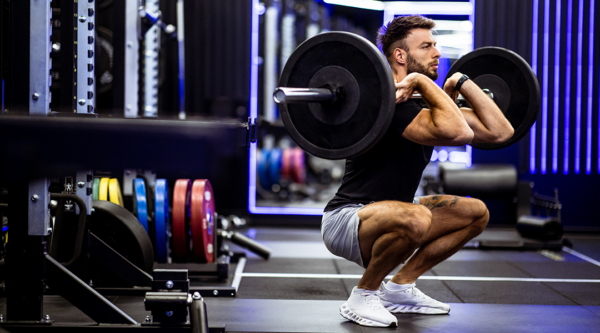
The way people train has evolved significantly over the past decade. Alongside conventional strength and conditioning methods, more advanced and performance-oriented training approaches have emerged.
Modern training no longer focuses solely on building strength and stamina, but also on improving mobility and overall body functionality across different conditions.
This shift has contributed to the growing adoption of flywheel training equipment in both professional sports programs and functional fitness environments. For facilities evaluating gym equipment Sydney, this highlights an increasing preference for training systems that combine performance, adaptability, and versatility.
From Isolated Training to Integrated Movement
For a long time, traditional training equipment allowed people to perform exercises that targeted specific muscles. Such approach had several positive features, but at the same time, it did not fully support functional and performance-based skills.
In contrast to this approach, modern workouts focus on developing a whole chain of muscles, rather than individual elements.
This approach enables a more efficient and effective training process by using flywheel training equipment, which generates resistance based on the user’s effort.
Why Flywheel Equipment Stands Out
One of the defining features of flywheel training equipment is its ability to provide variable resistance. Unlike traditional weight systems, where resistance remains constant, flywheel systems adjust based on the force produced by the user.
This results in:
- Greater activation of muscle fibres
- Improved strength development throughout the full range of motion
- Enhanced control during both concentric and eccentric phases
For athletes and fitness enthusiasts, this creates a more efficient and balanced training experience, making it especially valuable in high-performance settings.
Bridging the Gap Between Fitness and Sports Performance
One of the factors that contribute to the growing popularity of flywheel training machines is their capability to close the gap between general fitness and sport-related fitness.
Functional fitness environments use it to improve strength, mobility, and endurance, while elite athletes rely on it for:
- Explosive power development
- Injury prevention and rehabilitation
- Sport-specific conditioning
Versatility provides a distinct edge when considering fitness equipment Sydney. The facility can use the same piece of equipment for general training as well as high-performance training.
Improving Training Efficiency
Efficiency is currently a key factor in exercise routines. Trainees now want more out of their workouts in less time without sacrificing quality.
This is where flywheel fitness equipment comes in. It allows users to perform compound and high-intensity movements within a controlled environment.
This leads to:
- Shorter but more productive workouts
- Better engagement during sessions
- More measurable performance improvements
For trainers and facility owners, this simplifies program design while enhancing overall outcomes.
Enhancing User Engagement and Experience
The interactive nature of flywheel training equipment creates a more engaging workout experience. Because resistance adapts to the user’s effort, each repetition feels purposeful and controlled.
This makes training:
- Less monotonous
- More challenging without being overwhelming
- Easier to customise based on individual ability
In competitive fitness markets like Sydney, this level of engagement plays a key role in both member retention and satisfaction.
Supporting Scalable Training Environments
Another advantage of flywheel systems is their ability to adapt across different user levels.
Whether used for:
- Beginners focusing on controlled movement
- Intermediate users improving strength
- Athletes targeting performance metrics
Flywheel training equipment can be adjusted easily to suit the training objective. This scalability makes it a valuable addition to facilities looking to maximise the utility of their gym equipment investment.
Conclusion
The advent of fitness training using strength-building exercise to more holistic and performance-based training programs has led to some unique needs when it comes to equipment.
Flywheel training equipment is designed to answer these needs with the benefits of flexibility, efficiency, and superior performance. This allows fitness centres to support a wide range of users
And for anyone interested in purchasing gym equipment for their facility, providing equipment with flexibility and performance capabilities is now a must.
This is because in today’s world of fitness training, the value of equipment extends beyond functionality to overall performance.