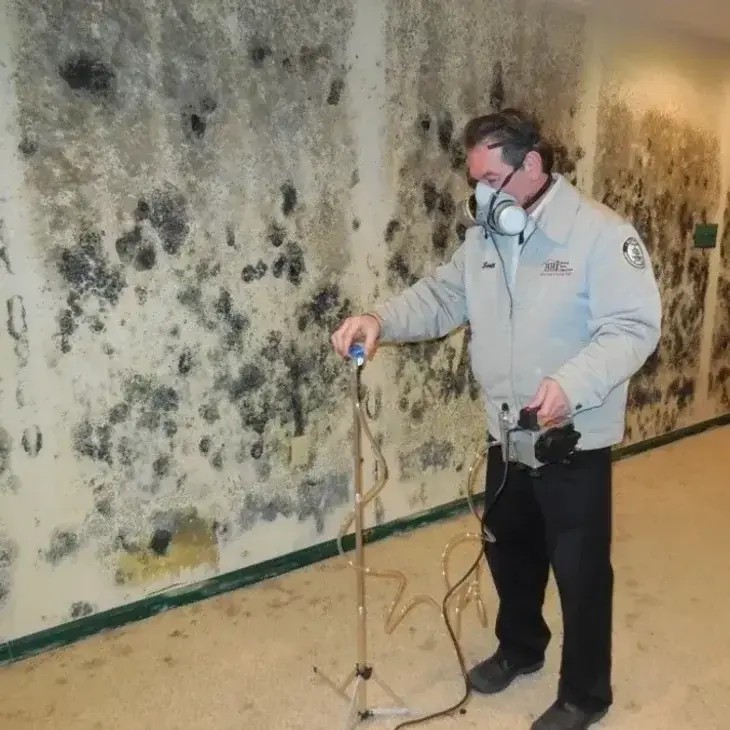
Most homeowners do not think about mold until they see it on a wall or ceiling. The problem is that mold often starts growing in hidden areas long before visible signs appear.
A small moisture issue behind drywall, under flooring, or inside a crawl space can go unnoticed for months. Knowing when to schedule a mold inspection can help identify problems early and prevent more extensive property damage.
Why Mold Problems Often Go Undetected
Mold does not always grow in obvious places. Homeowners researching the cost of mold inspection are often surprised to learn that mold can develop behind walls, under carpets, inside attics, or around plumbing systems where it remains hidden for long periods.
Because these areas are rarely inspected during normal household maintenance, mold growth may continue unnoticed until visible damage or indoor air quality concerns begin to appear.
Mold Frequently Grows Out of Sight
Visible mold is only part of the picture. Many mold problems begin in hidden areas where moisture is present and airflow is limited.
Because these locations are difficult to inspect without professional equipment, mold can continue spreading without attracting attention. Hidden growth often remains undiscovered for months.
Small Moisture Problems Can Create Larger Issues
A slow plumbing leak may seem minor at first. However, even small amounts of moisture can create conditions that support mold growth over time.
What begins as a simple maintenance issue can eventually affect drywall, flooring, insulation, and other building materials. Moisture buildup should never be ignored.
Many Early Signs Are Easy to Miss
Homeowners often expect mold to appear as large black patches on walls. In reality, the first signs can be much more subtle.
Slight discoloration, a faint musty smell, or increased humidity levels may appear long before visible mold becomes obvious. Early symptoms are often overlooked.
Indoor Air Quality May Be Affected Before Mold Is Visible
Mold growth can influence indoor air quality even when it remains hidden. Occupants may notice lingering odors or feel that indoor spaces seem damp.
In some cases, people become aware of a problem before they ever see visible mold growth. Indoor air concerns often appear first.
Delayed Action Can Increase Remediation Costs
The longer mold remains untreated, the greater the chance of additional damage. Moisture problems rarely improve on their own.
Addressing issues early is often less disruptive than waiting until extensive repairs become necessary. Early action can reduce costs and inconvenience.
Situations That Often Warrant a Mold Inspection
Certain events increase the likelihood of hidden mold growth. Scheduling an inspection after these situations can help homeowners identify concerns before they become larger problems.
After Water Damage or Flooding
Water damage is one of the most common reasons for mold growth. Even after visible water has been removed, moisture can remain trapped inside building materials.
Professional inspections help determine whether hidden moisture is still present and whether mold development has begun. Water damage should always be taken seriously.
When You Notice Persistent Musty Odors
A musty smell is often one of the earliest indicators of mold. Even if no visible growth can be found, unusual odors should not be ignored.
Persistent smells may indicate moisture issues hidden behind walls, beneath flooring, or inside ventilation systems. Musty odors often point to underlying concerns.
Before Purchasing an Older Home
Older properties may contain areas that have experienced previous leaks, flooding, or ventilation issues.
A mold inspection can provide valuable information before a home purchase and help buyers understand potential concerns. Property history matters more than many buyers realize.
After a Roof Leak
Roof leaks often allow moisture to enter attics, insulation, ceilings, and wall cavities.
Even when repairs have been completed, a mold inspection can confirm whether lingering moisture has created conditions suitable for mold growth. Roof leaks can cause hidden problems.
Following Plumbing Problems
Burst pipes, leaking fixtures, and damaged water lines can introduce moisture into areas that remain hidden from view.
Inspecting affected spaces after plumbing issues helps identify potential mold concerns before they spread. Plumbing leaks frequently create ideal conditions for mold.
When Occupants Experience Unexplained Allergy Symptoms
Sometimes homeowners begin noticing allergy-like symptoms that seem worse indoors than outdoors.
While mold is not always the cause, an inspection can help determine whether hidden moisture or mold growth may be contributing. Allergy symptoms should not be dismissed.
Before Major Renovation Projects
Renovation work often exposes walls, ceilings, and flooring that have been undisturbed for years.
Conducting a mold inspection beforehand can help identify existing issues before construction begins. Renovation workmay reveal hidden moisture concerns.
Signs That Mold May Already Be Present
Although mold is often hidden, certain warning signs may indicate a developing problem.
Recognizing these indicators can help homeowners act sooner rather than later.
Discoloration on Walls or Ceilings
Water stains, dark patches, and unusual discoloration may indicate moisture intrusion.
These signs do not always confirm mold growth, but they often justify further investigation. Water stains should never be ignored.
Peeling Paint or Warped Surfaces
Moisture trapped behind walls can cause paint to peel, drywall to soften, or surfaces to warp.
When these conditions appear without an obvious explanation, mold inspections may be appropriate. Surface damageoften signals deeper issues.
Persistent Condensation Problems
Excessive condensation around windows, walls, or HVAC systems may indicate elevated indoor moisture levels.
Over time, these conditions can contribute to mold development if left unresolved. Excess moisture creates favorable conditions for growth.
Visible Mold Growth
Visible mold is perhaps the most obvious sign that an inspection is needed.
However, visible growth often represents only a portion of the affected area, making professional assessment important. Visible mold may be only part of the problem.
Understanding the Benefits of Early Inspection
Waiting until mold becomes obvious is rarely the best strategy. Early inspections provide valuable information and can help homeowners make informed decisions.
Earlier Detection Can Reduce Property Damage
Small mold problems are generally easier to manage than widespread contamination.
Early detection allows homeowners to address moisture sources before damage becomes more extensive. Property damage is often minimized when problems are identified quickly.
Moisture Sources Can Be Identified Faster
Successful mold prevention begins with finding the source of moisture.
Professional inspections help identify leaks, ventilation issues, or other conditions contributing to mold growth. Locating the moisture source is often the first step toward a solution.
Indoor Air Quality Concerns Can Be Addressed
Understanding whether mold is present helps homeowners make informed decisions about indoor environments.
Addressing moisture concerns can improve overall comfort and reduce uncertainty about potential problems. Better air quality is often one of the primary goals.
Documentation May Support Real Estate Transactions
Buyers and sellers often benefit from clear documentation regarding environmental conditions within a property.
Inspection reports can provide useful information during real estate transactions. Accurate property records may help support informed decisions.
Homeowners Gain Greater Peace of Mind
Not every inspection uncovers a serious problem.
Sometimes the greatest value comes from confirming that a home is free from significant mold concerns. That added peace of mind can be valuable for homeowners.
Professional Recommendations Support Better Decisions
Inspection findings help homeowners prioritize repairs, maintenance, and moisture control measures.
Accurate information often leads to better long term property management decisions. Reliable expert guidance supports more effective planning.
When Professional Help Makes Sense
Some situations call for more than a visual inspection. Hidden moisture, recurring mold issues, and unexplained indoor air quality concerns often require professional assessment.
Property owners frequently work with GAC Environmental and similar specialists when mold concerns involve larger affected areas or difficult-to-access locations.
- Mold is visible but the source is unknown
- A property recently experienced water damage
- Musty odors continue despite cleaning efforts
- Occupants report ongoing respiratory irritation
- A home inspection identifies moisture concerns
- Renovation work may disturb affected materials
- Previous mold problems continue to return
- A property transaction requires environmental documentation
Conclusion
Mold problems often begin long before visible signs appear. Scheduling an inspection after water damage, recurring moisture issues, or unexplained indoor air quality concerns can help homeowners identify problems early. Prompt action may reduce property damage and support healthier indoor environments. When concerns arise, a professional assessment can provide valuable clarity and direction.