
In competitive shooting, a tenth of a second separates clean runs from costly penalties. Reloads account for more lost time than most shooters realize, and the equipment used directly shapes how those reloads perform.
A magwell upgrade widens the magazine entry point, reducing the precision required during insertion. That single change has real consequences across a full stage. For competitors and dedicated trainers, it is one of the few modifications that pays off immediately and consistently.
What a Magwell Actually Does
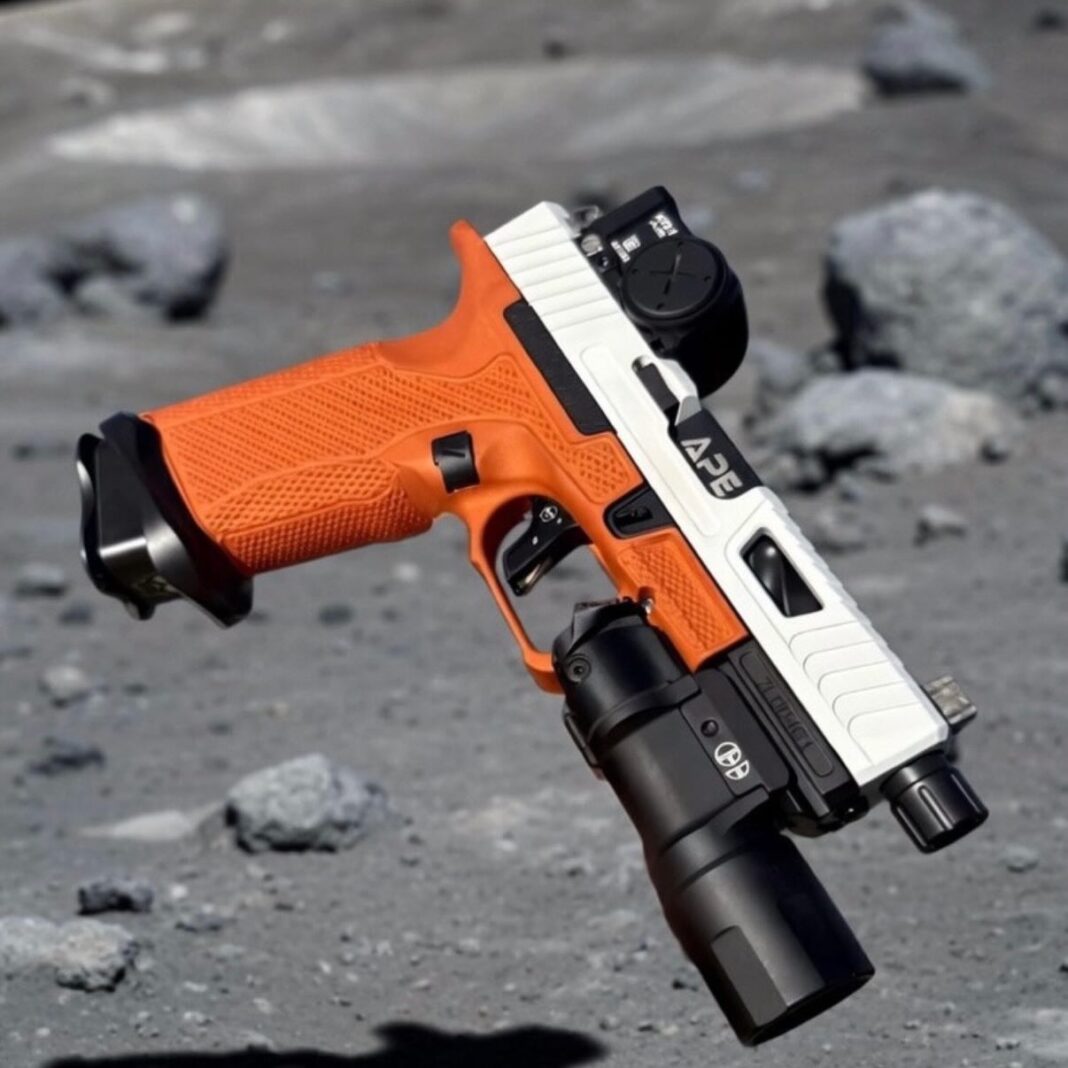
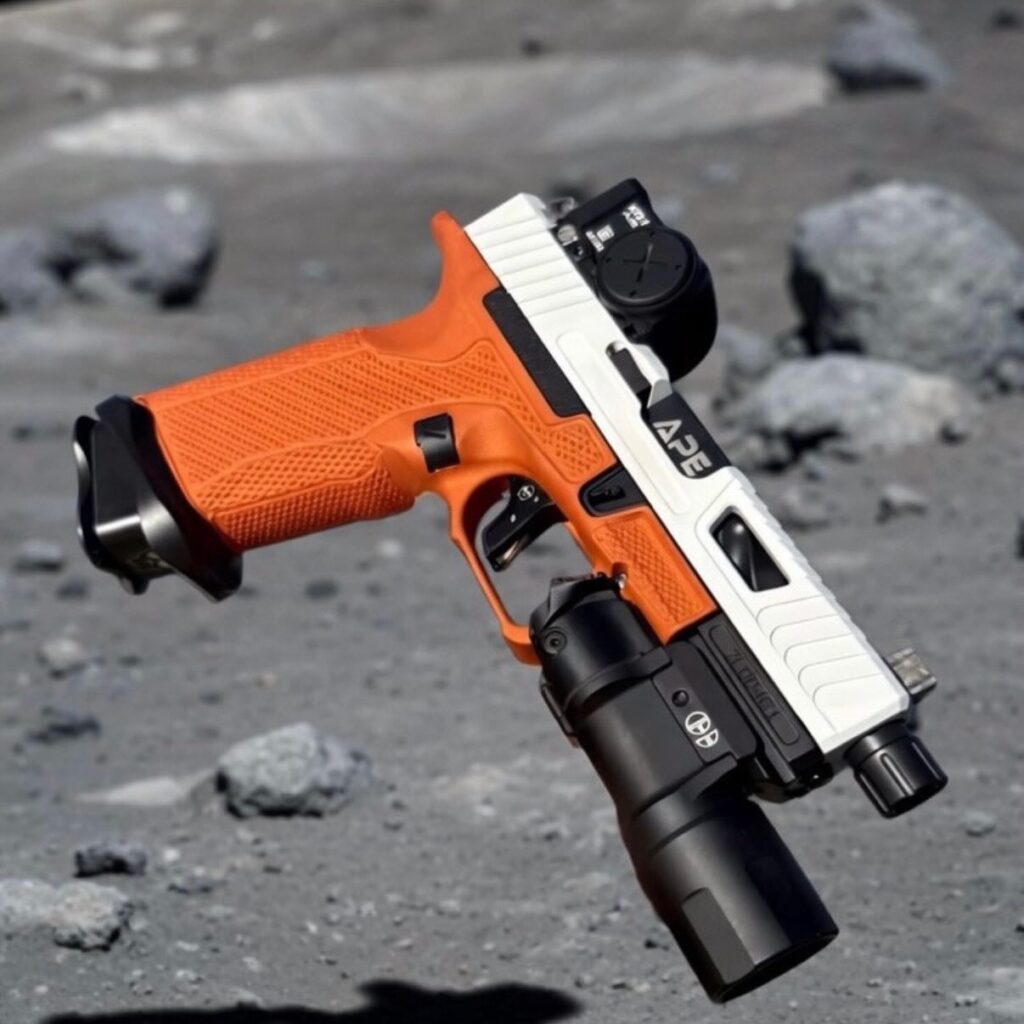
A magwell is a funnel-shaped attachment that fits around the magazine opening at the base of the grip. Its job is simple: guide the magazine in faster and more reliably than a factory opening allows.
Standard magwells work fine under calm conditions. Under stress, fatigue, or time pressure, that narrow entry becomes a liability. A flared aftermarket version compensates for slight misalignment and catches the magazine before the shooter even realizes the angle is off.
The Geometry Behind Faster Reloads
More surface area at the entry point means less precision required at the moment of insertion. During timed stages, low-light conditions, or high-adrenaline situations, fine motor control degrades. A wider funnel quietly absorbs that degradation. Even a few extra millimeters of guide surface can prevent a fumbled reload at the worst possible moment.
Magwells in Competitive Shooting
Practical shooting sports directly score time, and every magazine change is an opportunity to either gain or lose ground. Across a multi-stage match, those fractions accumulate fast.
Pistol selection and part compatibility both matter here. Shooters running a CZ P10C, for example, can buy CZ P10C Magwell as a direct-fit option engineered around the existing grip geometry. A proper fitment means the funnel aligns with natural hand movement during a reload, rather than forcing the shooter to adjust technique around the part.
Weight and Balance Considerations
Most aftermarket magwells add somewhere between 20 and 50 grams, depending on material. Aluminum stays light while holding up well over time. Polymer cuts weight further but tends to show wear sooner under sustained use.
Before committing to a specific model, shooters should handle the pistol after installation. Even minor weight shifts toward the grip can affect draw speed or muzzle-heavy balance during target transitions.
Training Benefits Beyond Competition
A magwell earns its value well before match day. Training with one builds muscle memory around a more forgiving insertion point. Each repetition reinforces the correct motion rather than teaching the hands to compensate for a tight entry.
Dry Fire and Live Fire Applications
Dry fire practice sees some of the biggest returns. Magazine changes can run at full speed without fumbled insertions breaking the rhythm of a repetition. Over hundreds of practice reps, that consistency translates directly into reliable technique under pressure.
Live fire sessions benefit as well. With a magwell reducing insertion errors, shooters can focus entirely on drawing the fresh magazine cleanly, rather than managing the angle during the change itself.
Choosing the Right Magwell
Fit comes first. A magwell that sits loosely on the frame will shift during use and introduce the inconsistency it was supposed to eliminate. Tight tolerances and a secure attachment method are non-negotiable regardless of price point.
Material and Durability
Aluminum handles drops and repeated impacts better than polymer across most conditions. An anodized finish resists corrosion and holds up through heavy training schedules. For shooters running high round counts each month, aluminum is the more sensible long-term choice.
Holster Compatibility
A wider grip profile does not always fit an existing holster. Some magwells add enough material to make standard holsters unusable. Confirming compatibility before purchasing saves time and avoids having to replace two pieces of equipment instead of one.
Conclusion
A magwell is a straightforward upgrade with a direct return on performance. It speeds up magazine insertions, reduces fumbles when conditions are less than ideal, and supports cleaner technique across training sessions. The modification works best when the fit is precise and the holster accommodates the new profile. For anyone serious about improving reload consistency, whether in competition or regular practice, a quality magwell is worth adding to the setup sooner rather than later.