
Modern menswear photographs well, yet office use places different demands on clothing. Daily professional dress must tolerate commuting, prolonged sitting, indoor heat, and repeated wear without losing shape. Current workplace habits suggest a measured answer. Many recent trends can function well in ordinary business settings, but wearability depends on breathability, movement, visual restraint, and dependable construction. Pieces earn regular use when they support concentration, posture, and comfort, rather than calling attention to themselves.
Dress Codes First
Workplace norms shifted sharply during the past decade. Gallup reported in 2023 that 41% of U.S. workers wore business casual most days, while only 3% wore business professional attire regularly. That gap explains why many professionals now shop menswear online with a practical lens, weighing clean presentation, all-day comfort, temperature control, and easy movement before trend appeal. Clothing must serve for meetings, travel, and long hours at the desk.
Trend Test
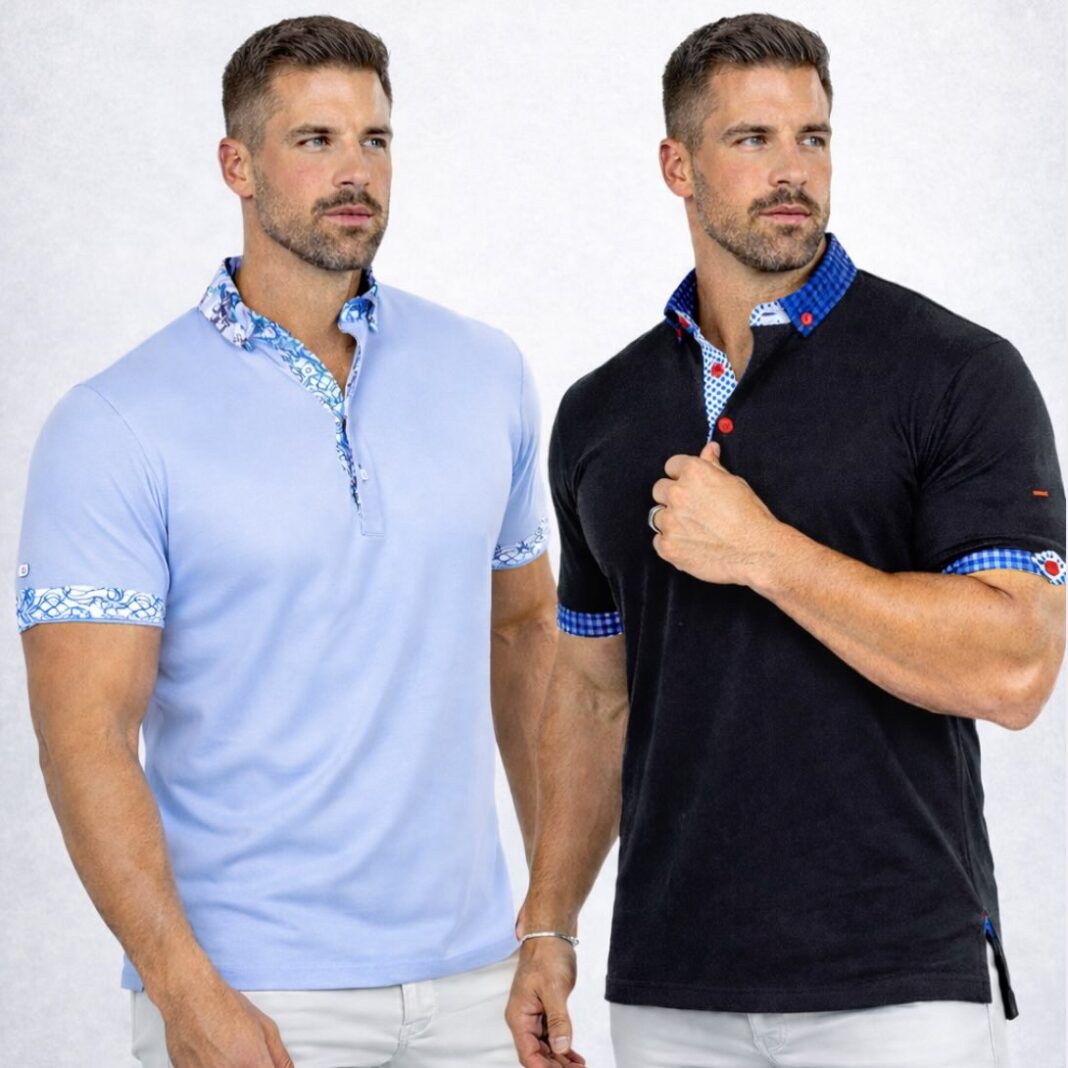
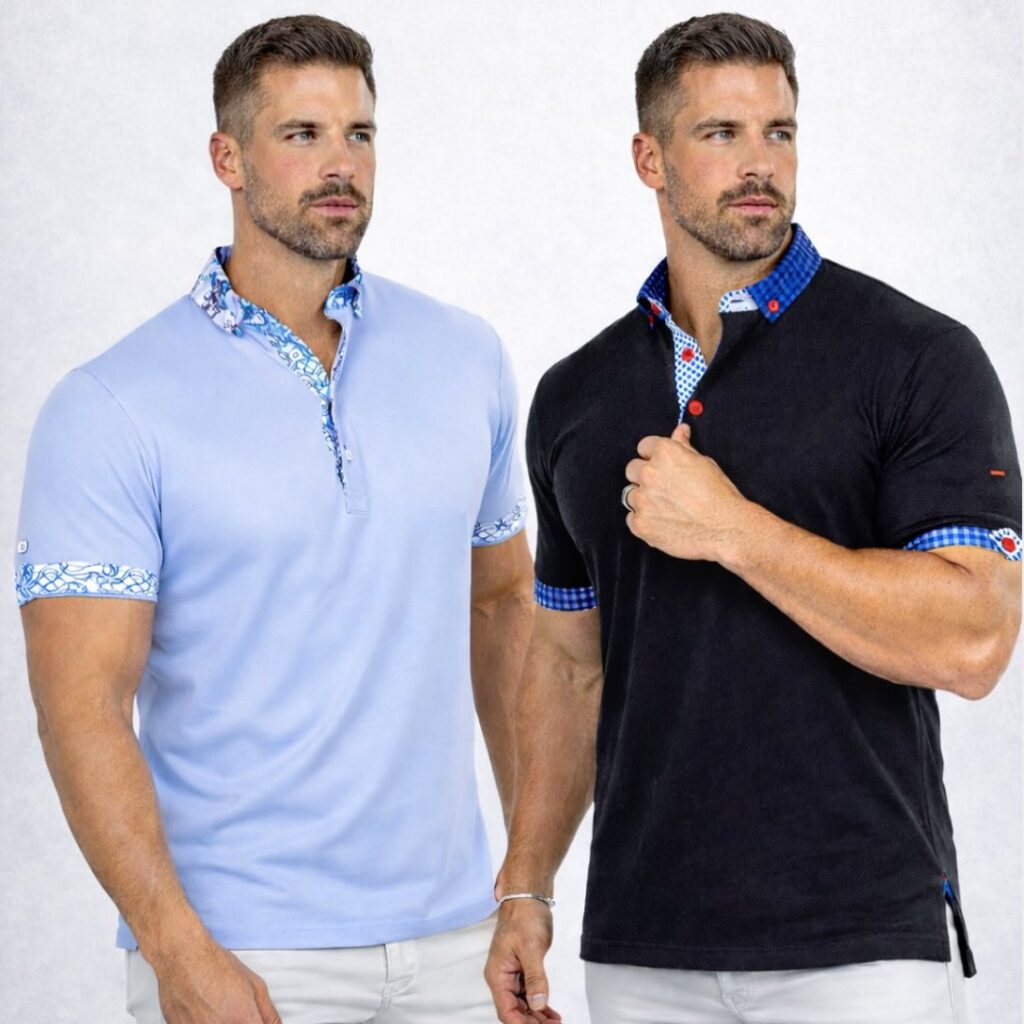
A useful trend should blend into a working wardrobe without friction. Knit polos, soft blazers, trim overshirts, and understated sneakers usually meet that standard. By contrast, distressed denim, oversized logos, and extreme proportions often distract from a professional presence. Office clothing still works best when colleagues notice a composed appearance, not a forced statement. Wearability begins where novelty stops demanding explanation.
Data Points Matter
Survey data keeps pointing in the same direction. Monster’s 2025 poll found that 63% of workers with dress rules described them as business casual. Another result carries weight. 45% preferred that category, while only 4% favoured trend-led dressing. Those figures suggest clear limits. Updated details are welcome, but most professionals still prefer reliable shapes that reduce social risk on ordinary workdays.
Fabric Decides Comfort
Textile choice often determines whether a trend survives real use. Stretch cotton, fine merino, technical blends, and lighter wool reduce stiffness while preserving structure. That matters because office clothing now performs across more situations. Workers commute, climb stairs, sit through video calls, and move between formal and relaxed settings. A jacket that traps heat loses value quickly. Breathable knitwear usually stays in rotation longer.
Color Keeps It Grounded
Color strongly affects whether a modern piece feels office-ready. Navy, charcoal, stone, soft blue, cream, and olive usually integrate well with existing wardrobes. Brighter shades can still work, though they need restraint. A muted accent on a polo or sneaker often reads ‘polished’. A head-to-toe statement color can feel theatrical under fluorescent lighting. Professional dress generally benefits from tonal balance and visual calm.
Footwear Changes Everything
Shoes often decide how the rest of an outfit is interpreted. Clean leather sneakers can succeed in many offices because the profile stays controlled and the finish remains neat. Bulky running styles usually weaken that effect. Loafers, simple lace-ups, and refined hybrid designs still provide strong value. Comfortable footwear also supports gait, reduces lower-leg fatigue, and makes long commutes less physically taxing throughout the day.
Fit Beats Fashion
Fit matters more than trend language. Wide trousers, cropped jackets, and oversized shirts may look current, yet many workplaces read those shapes as costumes once proportions drift too far. Slightly roomier cuts are safer and easier to wear. A clean shoulder line, proper sleeve length, and straight trouser break still carry authority. Professional style depends on visual order, especially under ordinary office lighting and close conversation.
Hybrid Work Raised the Bar
Hybrid schedules changed what men expect from their wardrobes. IWG reported in 2025 that 92% of hybrid workers wanted clothing that was flexible enough for work and leisure use. That preference explains today’s strongest buying patterns. People need garments that perform during transit, desk time, lunch meetings, and evening plans. Soft tailoring, polished knitwear, and streamlined casual shoes better address those needs than rigid suiting or lounge-heavy pieces.
Smart Buying Wins
Wearable trends reward restraint at the point of purchase. One textured polo, one light knit layer, one neutral pair of trousers, and one clean sneaker can cover most office needs. That approach keeps decisions simple and lowers the cost per wear. It also mirrors how professionals actually dress. Very few need a full seasonal overhaul. Most benefit from upgrading dependable staples with modest, current details and better fabric performance.
Conclusion
Modern menswear trends can work well in everyday professional life, but the wearable pieces share a common pattern. They support movement, regulate temperature, maintain shape, and stay visually steady in mixed workplace settings. Current research shows that workers prefer flexible business casual clothing over formal uniforms or experimental looks. Refined polos, soft jackets, controlled colors, and practical footwear meet that standard. The strongest wardrobes feel current without sacrificing clarity, comfort, or credibility.