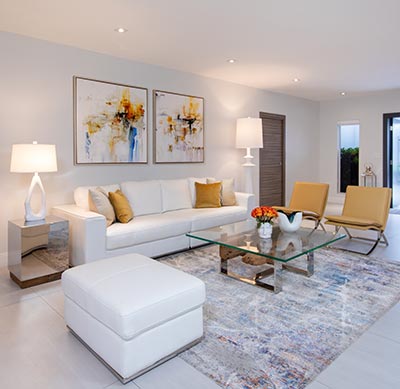
After a home itself, furniture ranks among the biggest purchases most households face. Still, plenty of buyers zero in on how a piece looks right now without asking whether that look will hold up. Interior design trends move fast, and a sofa or dining set that feels exciting today can start looking stale in just a couple of seasons. A little extra thought at the buying stage saves real money, cuts down on waste, and keeps a living space looking pulled-together for years ahead.
Why Some Modern Pieces Age Better Than Others
Contemporary designs do not all carry the same visual shelf life. Items built around a single micro-trend, whether that is an oversized sculptural armrest or a hyper-specific color wave, tend to lose their charm quickly. Pieces grounded in clean geometry, thoughtful proportions, and neutral material palettes hold their appeal far longer. The distinction often hinges on restraint. Furniture that leans on solid structure rather than novelty stays relevant because it adapts to new accessories, fresh wall colors, and rearranged layouts without creating a visual clash.
Choosing Materials That Stand the Test of Time
When shopping at the best modern furniture store in Fort Lauderdale, buyers should prioritize material quality alongside style. Solid hardwoods, top-grain leather, tempered glass, and brushed metals hold up against daily wear far better than particle board or bonded substitutes. These materials also develop a natural patina that actually adds character over the years. A well-built walnut credenza, for example, will still look intentional a full decade later, while a laminate version may start to chip and swell within three.
Design Principles That Resist Trend Cycles
Proportion and Scale
Furniture scaled to fit a room’s dimensions almost never feels outdated. Oversized statement pieces can swallow a space and lock it into a single era. Selecting items proportionate to the room leaves flexibility when preferences shift.
Neutral Anchor Colors
Charcoal, ivory, warm grey, and camel work as dependable base tones. Bolder upholstery colors can come in through accent chairs or throw pillows, items that cost far less to swap out than a full sectional.
Minimal Ornamentation
Streamlined silhouettes with subtle detailing, such as a tapered leg or a clean, stitched seam, carry a timeless quality. Heavy embellishments or trendy hardware often date a piece to a specific year.
The Role of Versatility in Long-Term Value
A dining table that works just as well for a casual weekday breakfast as for a formal dinner party offers far greater longevity than one designed for a single setting. Modular sofas, extendable tables, and stackable seating give homeowners the freedom to reconfigure as families grow or downsize. Versatile furniture also travels well between homes, which matters more now that people relocate more often than previous generations did.
Red Flags That Signal a Short Lifespan
A few warning signs are worth watching for before making a commitment. Lightweight frames that flex under moderate pressure indicate poor construction. Trendy finishes like high-gloss lacquer or metallic paint scratch easily and start looking worn fast. Hardware that feels flimsy, thin drawer pulls, or wobbly hinges usually indicates corners were cut during manufacturing. Price on its own does not guarantee durability, but an unusually low tag on a large item almost always signals compromises hiding somewhere.
How to Evaluate a Purchase Before Committing
A short checklist helps separate lasting pieces from disposable ones. First, check the joinery; dovetail and mortise-and-tenon joints outperform glue and staples every time. Second, sit on, lean against, or open the piece in person whenever possible. Third, look into the manufacturer’s warranty and return policy. A brand that stands behind its construction typically offers coverage of five years or longer. Fourth, glance at the resale market. Styles that retain resale value generally retain visual appeal as well.
Conclusion
Buying modern furniture with a five-year outlook calls for a shift in thinking, moving from chasing whatever is trending to identifying what is built to endure. Prioritizing quality materials, balanced proportions, and adaptable design keeps each piece feeling right even as tastes and lifestyles change. A careful purchase today removes the cost and hassle of replacing items that fall out of favor tomorrow, stretching every dollar further in the process.