Rejects Public Utility Label
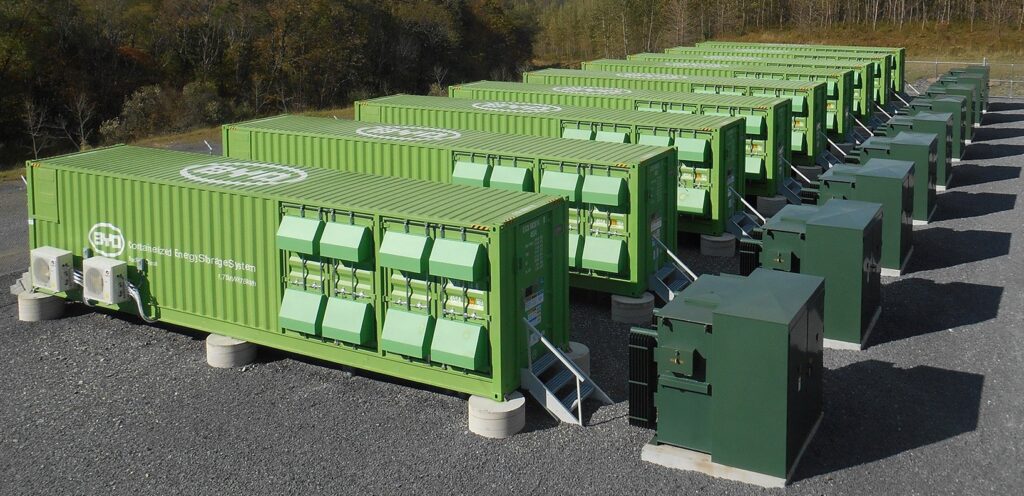
The Town of Yorktown is fighting a lawsuit brought by an energy developer, arguing that the developer is seeking special legal status to which it is not entitled.
The lawsuit, filed by Yorktown ESS, LLC on February 25, 2026, stems from the Yorktown Zoning Board of Appeals’ January 22, 2026, decision to deny a use variance for a proposed Battery Energy Storage System (BESS) at 3666 Old Yorktown Road. The facility was intended to store energy and provide it to Consolidated Edison (Con Ed) on a contract basis.
At the heart of the legal battle is a disagreement over which legal standard should have been used to evaluate the project. Yorktown ESS, LLC contends that the ZBA committed an error of law by failing to apply the Public Utility Variance Standard (PUVS), a more lenient standard reserved for essential public services.
“This developer is in no way a public utility entitled to review under the PUVS,” said Supervisor Ed Lachterman. “This is a private company that wants to damage the character of a residential neighborhood in exchange for money from a public utility.”
Under state law, a public utility must provide a service so “essential to the public interest” that it is subject to government regulation of rates and standards.
Yorktown’s defense argues that storing energy for sale to an intermediary like Con Ed is not the same as providing an essential service directly to the consumer public. The Town asserts there is no evidence that the developer’s rates are regulated by the Public Service Commission; instead, they appear to be governed by a private contract with Con Ed. Furthermore, traditional utilities face unique logistical challenges, such as the need to pipe or wire products to every user minute by minute. The developer failed to show it faces these logistical problems.
The ZBA, after finding that the developer was not entitled to review under the PUVS because it was not a public utility, found that the developer failed to establish that it was entitled to a variance under the common standard required by New York State law.
The developer’s reply papers, if any, are due on June 5, 2026.