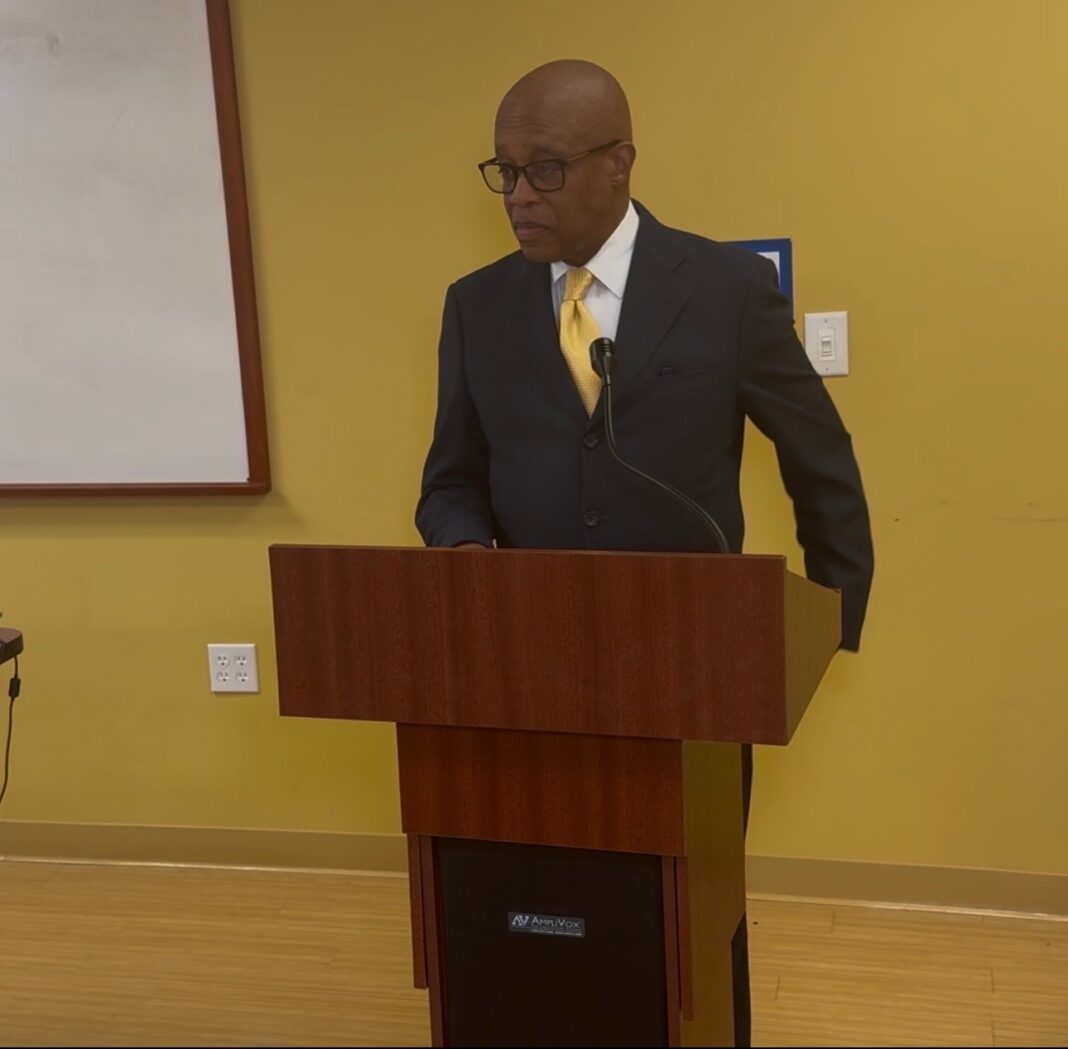

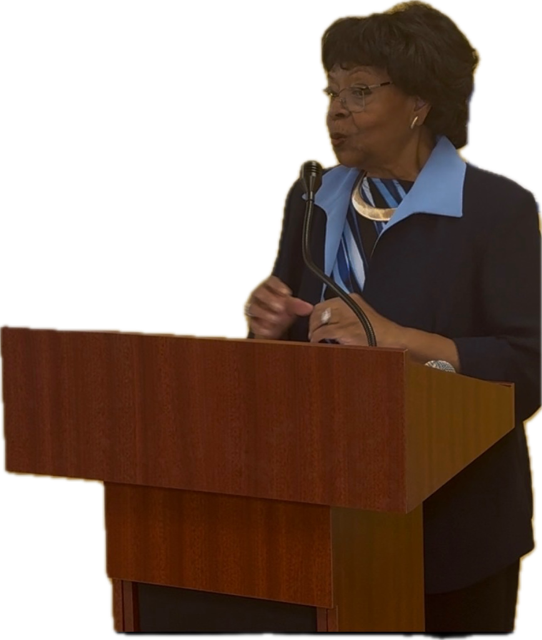
Barbara Edwards, Esq -Board chair of the Westchester County African American Advisory Board
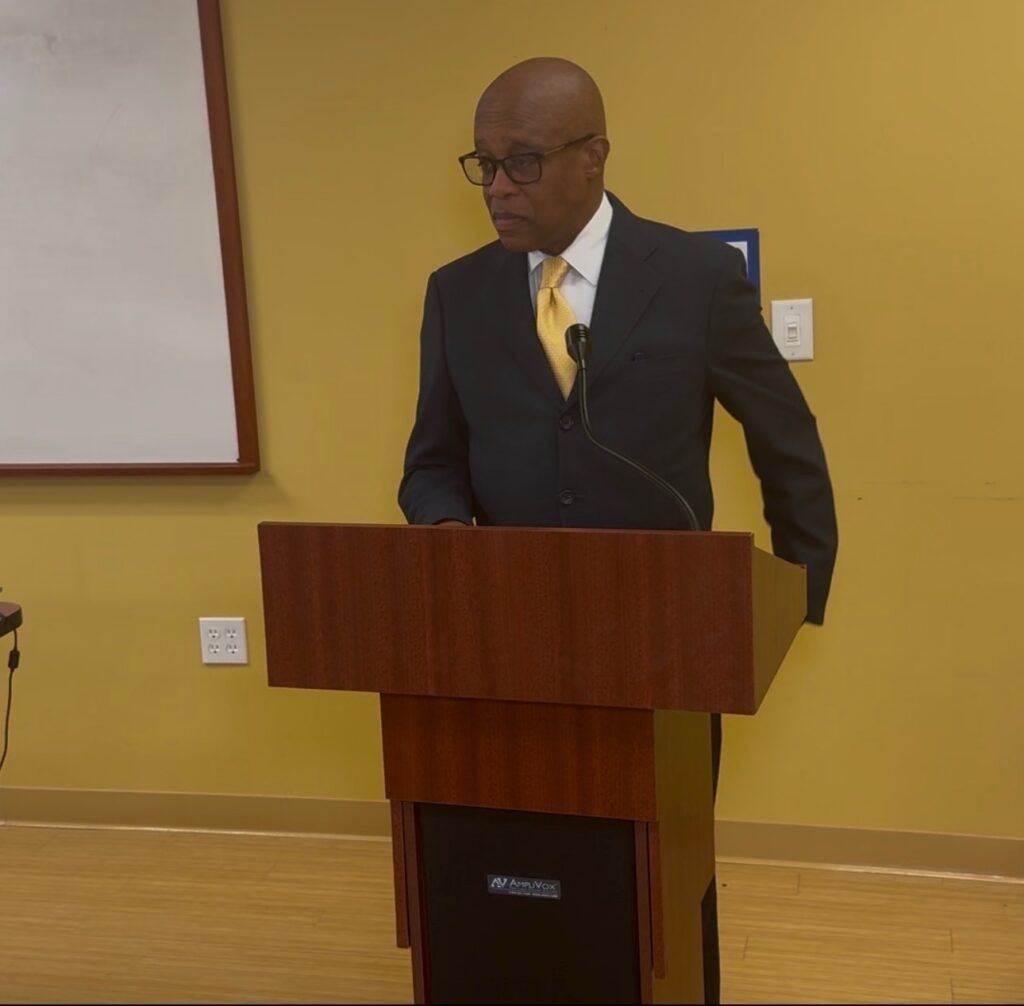
By Marvin V Church, Chair of the Asthma committee, And a Member of the Westchester County African American Advisory Board
In one of the wealthiest counties in the United States, many children are still struggling to breathe in their own homes. Across Mount Vernon, Yonkers, and New Rochelle in Westchester County, thousands of African American residents live with asthma not as a manageable condition, but as a constant and unpredictable threat.
It sends children to emergency rooms, keeps them out of school, and forces parents to miss work. For many families, it also brings an often overlooked burden: the rising cost of simply keeping the air indoors safe to breathe.
What is frequently described as “manageable” asthma often requires air purifiers running continuously, nebulizers used multiple times a week, and humidifiers or filtration systems operating around the clock. These are not lifestyle choices. They are medical necessities.
They are also expensive. The electricity required to power life-sustaining equipment adds up quickly, creating a financial strain that compounds existing hardship. For some families, this means choosing between essential medical support and other basic needs.
This burden is not evenly distributed. It reflects long-standing patterns in housing quality, environmental exposure, and access to care—patterns that continue to fall along racial and economic lines.
Across the United States, African Americans are disproportionately affected by asthma, with higher rates of hospitalization and mortality. Westchester County reflects these disparities despite its overall affluence. Within its borders, zip code still shapes exposure to pollution, housing conditions, and access to preventive care.
In November 2025, community leaders, residents, and health professionals gathered in Mount Vernon to address this issue at a forum organized through the Westchester County African American Advisory Board. The discussion made one point clear: asthma is not only a medical condition, but also a reflection of environmental and structural inequities.
Since then, work has continued under the Advisory Board’s Asthma Committee, expanding community engagement across the county.
In Greenburgh, Dr. Suzzanne Phillips has helped connect residents to health resources and strengthen local outreach efforts. In Yonkers, Larry Sykes, Esq has helped facilitate community forums centered on residents’ lived experiences. In New Rochelle, Gwen Clayton Fernandes hosted a forum on asthma at Alvin & Friends restaurant, further expanding public dialogue.
These efforts have been strengthened by support from New York State Assemblywoman Mary Jane Shimsky, who helped facilitate the involvement of the American Lung Association as a partner in the initiative. Their participation has brought additional expertise and a broader public health perspective to local discussions.
At these gatherings, residents have described children carrying inhalers throughout the day, schools located near high-traffic corridors with persistent diesel exhaust, and homes affected by mold, pests, and poor ventilation. These are not isolated concerns—they are recurring environmental conditions with clear health consequences.
A consistent theme has emerged: the hidden cost of living with asthma.
The burden is not only medical, but financial. Costs associated with energy use, preventive home care, and repeated emergency room visits create a cycle of strain that deepens inequality for already vulnerable families.
Westchester County has begun to respond. The establishment of an Asthma Subcommittee within the African American Advisory Board marks an important step. Community forums have increased awareness, and partnerships with organizations such as the American Lung Association have strengthened coordination and outreach.
These efforts are guided under the leadership of Barbara Edwards, Esq., Chair of the Westchester County African American Advisory Board, whose direction has helped sustain momentum around this issue.
But awareness alone does not ease symptoms or prevent emergencies.
Children are still struggling to breathe. Families are still making emergency trips to hospitals. Preventable environmental conditions continue to trigger life-threatening asthma attacks.
If Westchester is serious about equity, it must move beyond discussion toward sustained, measurable action.
First, housing conditions must be addressed at their source. Mold, pests, and inadequate ventilation are not merely maintenance issues—they are health hazards that require targeted intervention in the communities most affected.
Second, outdoor air quality must be treated as a public health priority. Schools located near major roadways require mitigation strategies to reduce exposure to traffic-related pollution. Monitoring and enforcement in high-risk areas should be strengthened.
Third, access to preventive care must expand. Too many families rely on emergency rooms for conditions that could be managed through consistent primary care. Community clinics, school-based health services, and mobile health programs can help close this gap.
Fourth, the financial burden of managing asthma must be acknowledged. Families should not face economic hardship for powering the medical equipment necessary to breathe safely. Energy assistance and health-linked utility support programs should be part of a comprehensive response.
Finally, residents most affected by asthma must remain central to decision-making. Their lived experience provides essential insight that should shape policy at every level—not only during moments of crisis, but continuously.
Additional forums are planned in White Plains and Peekskill as this work continues. Across each community, the message remains consistent: asthma in Westchester is not just a health issue. It is an environmental issue. It is an equity issue. And it is a public responsibility.
A county cannot claim prosperity while entire neighborhoods struggle for something as fundamental as clean air—or are forced to pay more simply to breathe it.