
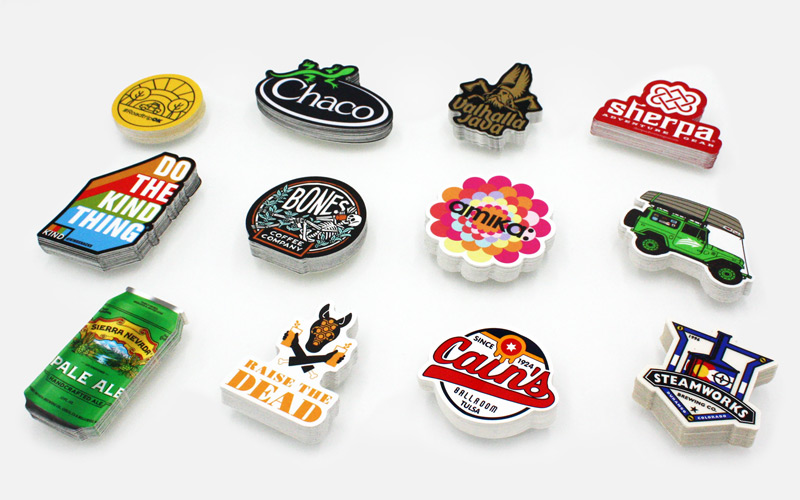
Labels do more work than their size suggests. They carry brand identity, deliver regulatory details, and shape the first impression a product makes on a store shelf. One printing flaw or misread barcode can trigger recalls, erode trust, and squeeze margins fast. Quality control stands at the center of every dependable label operation, turning raw stock and ink into finished goods that meet commercial and compliance standards across every single run.
The Real Cost of Label Defects
Faulty labels cause financial damage that stretches well past reprint bills. Research from the Auto-ID Labs at MIT placed mislabeling losses at roughly 1% to 3% of annual revenue for supply chains, with the figure shifting by sector.
Once defective labels land on pharmaceutical, food, or chemical shelves, the fallout grows quickly. Fines, recalls, and reputational setbacks tend to follow in short order. Brands working with seasoned label producers such as www.comgraphx.com benefit from tested inspection systems that catch issues before rolls leave the plant. These partnerships trim wasted inventory, strengthen FDA and GHS compliance, and safeguard brand equity further down the chain.
Flawed labels also slow bottling and packaging lines. Every rejected roll adds downtime, labor costs, and missed shipping windows.
Common Quality Issues Found in Label Production
A handful of recurring problems show up in label manufacturing, and each one calls for its own inspection routine.
Color Inconsistency
Brand colors need to hold steady across print runs, substrates, and lighting conditions. Shifts in ink viscosity, anilox roller wear, or substrate absorption can pull hues off noticeably. Pantone matching tools and spectrophotometers let operators verify accuracy against approved swatches before a full run starts.
Adhesive Failure
Weak adhesive performance causes labels to peel, curl, or drop off during transit and storage. Testing bond strength under varied temperature and humidity conditions protects the finished product. Cold-chain shipments and industrial uses call for especially strict adhesive validation.
Barcode and Text Errors
Scanning failures throw off retail checkout, warehouse logistics, and medical tracking systems. Grade A or B barcode verification, paired with proofreading workflows, intercepts encoding mistakes long before customers see them.
Core Quality Control Methods That Work
Today’s label producers depend on layered inspection rather than a single checkpoint. Each stage picks up a different category of defect.
Incoming Material Inspection
Incoming substrates, inks, and adhesives get checked against supplier certificates. Thickness gauges, viscosity testers, and batch records confirm that materials meet specifications before anything reaches the press room.
In-Line Automated Vision Systems
High-resolution cameras inspect every label as it moves through the press. These systems flag color drift, registration slips, smudges, and missing elements at speeds a human eye cannot keep up with. A Smithers report projects the packaging inspection equipment market will reach $2.4 billion by 2027, a figure that reflects rising reliance on automation.
Final Sampling and Audit
Random samples go through physical testing for peel strength, rub resistance, and print durability. Lot-level documentation builds a traceable quality record that supports audits and customer reviews.
Building a Quality Culture Across the Facility
Machines alone cannot guarantee steady output. People, training, and written procedures form the real backbone of dependable quality.
Operators need ongoing instruction on press calibration, defect recognition, and safe material handling. ISO 9001 certification offers a recognized framework that many label printers adopt to codify these habits. Clear standard operating procedures shrink the variation between shifts and between individual operators.
Communication across prepress, press, and finishing teams carries equal weight. If a color correction happens at one station, the downstream crew needs word right away. Daily quality huddles and shared digital dashboards keep everyone pointed at the same production targets.
Supplier relationships deserve similar care. Reliable ink and substrate batches from vetted vendors cut variability at the source.
How Quality Control Supports Brand Trust
Shoppers rarely think about label production until something goes sideways. A smudged barcode, tilted logo, or faded warning statement instantly reads as sloppy work. That impression then transfers to the product inside the package.
Brands that invest in quality-driven label partners gain a quieter edge, namely the steadiness that builds purchase confidence over time. Packaging Digest surveys show 72% of consumers say packaging design influences their buying choices, and label quality forms a visible piece of that signal.
Regulated sectors carry higher stakes. Pharmaceutical serialization, food allergen warnings, and chemical hazard pictograms need to stay legible, accurate, and durable through the entire product lifecycle.
Conclusion
Quality control in label production defends revenue, reputation, and regulatory standing all at once. From raw material checks to automated vision inspection and well-trained operators, every layer lowers the odds of costly errors reaching customers. Brands that treat labels as strategic assets, not afterthoughts, consistently enjoy stronger shelf presence and fewer supply chain headaches. Picking manufacturing partners with documented quality systems turns a routine print job into a steady source of customer confidence and long-term growth.