
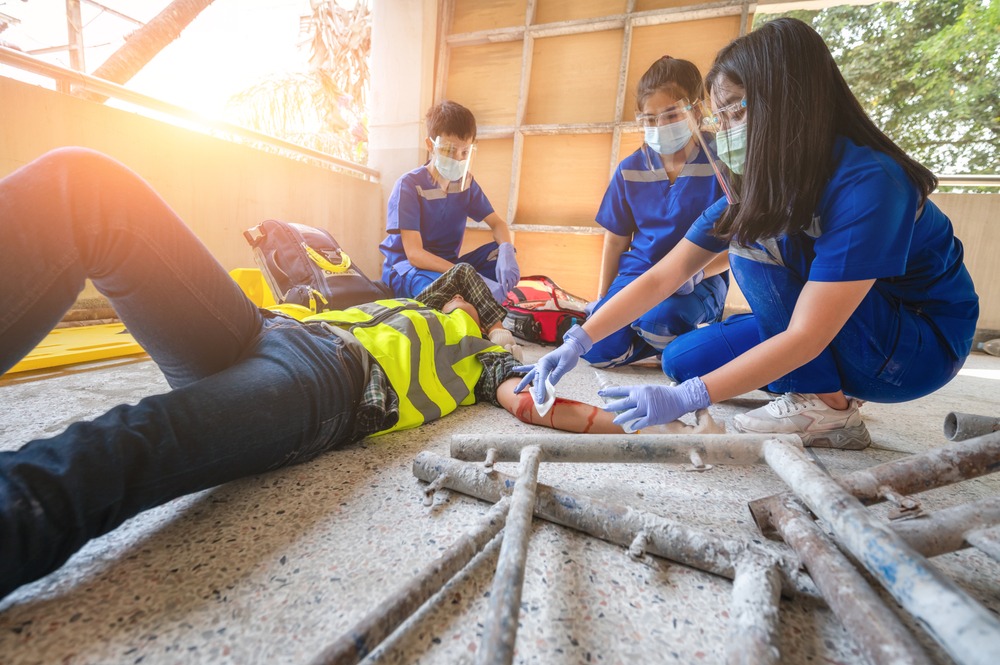
A normal shift can begin with tools, noise, and routine tasks, then end with pain, confusion, and a future that suddenly feels uncertain. Construction accidents hit hard because they often affect health, income, and the ability to return to work at the same time.
Many injured workers are unprepared for the construction accident legal process because claims involve more than proving someone got hurt. Records, responsibility, treatment, and deadlines all matter. What follows is not always quick or simple, but knowing the road ahead can make each step less overwhelming and far more manageable.
The First Days After an Accident Shape the Case
The earliest days after a construction accident often carry more weight than people realize. Medical care should come first because health cannot wait. At the same time, treatment records begin documenting the injury and its effect.
Reporting the incident is also important. A delayed report may create questions that could have been avoided. Employers, supervisors, or site managers usually need notice, and written records help preserve facts.
Photos of the area, damaged equipment, unsafe surfaces, or visible injuries can also matter later. Witness names may become valuable if stories change over time.
Many workers focus only on getting through the pain, which is understandable. Still, those first steps can strongly influence everything that follows.
Every Construction Site Has Many Moving Parts
Construction sites are rarely controlled by a single party. A project may involve property owners, general contractors, subcontractors, vendors, engineers, and equipment providers. That means an injury case can involve several layers of responsibility.
A fall from scaffolding may be connected to poor assembly, weak supervision, missing guardrails, or defective materials. An electrical injury may involve site planning, maintenance, or ignoring warnings. Even a simple-sounding accident can lead to complicated questions.
Because many parties are involved, blame may move in circles. One side points elsewhere while the injured worker waits for answers.
This is one reason construction lawsuits often feel slower and more stressful than expected.
Evidence Becomes the Real Voice of the Claim
In many cases, evidence speaks louder than memory. Conditions on a job site can change fast. Equipment gets moved, surfaces are repaired, and workers are reassigned. What existed on the accident date may disappear quickly.
Useful evidence often includes:
- Accident reports.
- Witness statements.
- Medical records.
- Safety training records.
- Inspection logs.
- Photos or video.
- Pay records for lost income.
Rules connected to construction law may also shape the case, especially where site safety duties are involved. Strong evidence helps explain not only that an injury happened, but why it happened and who may be responsible.
Without proof, even real events become harder to defend.
Medical Recovery and Legal Timelines Rarely Match
Healing does not follow a neat calendar. Some injuries improve in weeks, while others continue for months or longer. Back injuries, fractures, nerve damage, head trauma, and shoulder injuries often need ongoing care.
Legal claims, however, continue moving while treatment is still happening. Insurance companies may request records. Settlement talks may begin early. Questions about future recovery may arise before doctors know the full outcome.
This creates tension. A worker may still be in pain while being asked to place a value on the case.
The final cost of an injury can include therapy, lost earning ability, future care, and physical limits. Those losses are easier to miss if the case moves faster than the recovery.
Settlement Talks Can Start Earlier Than Expected
Many injured workers assume payment discussions happen near the end. In reality, offers may come much earlier. Some are fair attempts to resolve the matter. Others may reflect incomplete medical information or limited evidence.
Quick money can feel tempting during lost income and rising bills. That pressure is real. Yet early settlements may close the claim before long-term needs are fully known.
The amount offered often depends on liability strength, medical records, lost wages, and expected future impact. Strong preparation usually improves negotiating power.
Patience can be difficult after an accident, but rushing a major decision may create lasting regret.
Court Is Possible, but Not Every Case Reaches Trial
Many lawsuits settle before trial, though not all do. Cases may move through investigation, filing, document exchange, negotiations, and mediation before a courtroom is ever involved.
Some claims resolve once evidence becomes clear. Others continue because responsibility is denied or losses are disputed. Trial is one possible stage, not the automatic ending.
This part of the process often requires patience. Legal progress can feel slower than recovery needs, especially for workers dealing with bills and uncertainty.
Still, slow movement does not always mean weakness. Sometimes it means the case is being built carefully.
Final Thoughts on What to Expect
Construction accident lawsuits are rarely simple because injuries happen in fast-moving workplaces with many responsible parties and serious consequences. Workers often face medical stress while trying to understand paperwork, deadlines, and changing negotiations.
The strongest path usually comes from prompt treatment, clear records, and steady decisions made over time. Pressure is common, but preparation matters more than panic.
For many injured workers, the construction accident legal process becomes easier to handle once they understand that progress often depends on patience, proof, and persistence rather than speed alone.