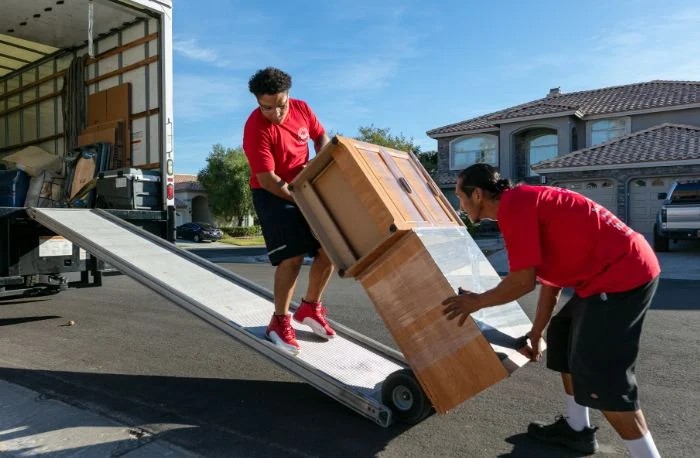
Moving is one of those life events that can either go smoothly or spiral into chaos — and the difference usually comes down to one thing: preparation. Las Vegas has its own quirks when it comes to relocating, from the scorching summer heat to the unique housing landscape of high-rises, gated communities, and sprawling suburban neighborhoods. Whether you’re moving across the city or just a few miles down the road, having a solid plan in place is everything.
Here’s a step-by-step guide to planning a stress-free move in Las Vegas.
Step 1: Start Planning Earlier Than You Think You Need To
Most people underestimate how long a move actually takes to plan. A good rule of thumb is to start the process at least six to eight weeks before your move date. This gives you enough time to sort through your belongings, gather quotes, book your movers, and handle all the logistics without scrambling at the last minute.
If you’re moving during peak season — summer months or around major holidays — start even earlier. Las Vegas is a transient city with a high volume of people moving in and out year-round, which means reputable moving companies book up fast.
Step 2: Declutter Before You Pack a Single Box
Before you even think about packing, go through every room and make tough decisions. Moving is the perfect opportunity to get rid of things you no longer need, use, or love. The less you move, the cheaper and faster your move will be.
Sort items into four categories: keep, donate, sell, and trash. Las Vegas has plenty of donation centers, and a quick Facebook Marketplace or Craigslist listing can help you offload furniture and household items fast. A lighter load means less time on the clock for your movers — and a lower bill.
Step 3: Create a Room-by-Room Inventory
Once you know what you’re keeping, document it. A detailed inventory does two things: it helps you get accurate quotes from moving companies, and it gives you a reference point in case anything goes missing or gets damaged during the move.
You don’t need anything fancy — a simple spreadsheet or even notes on your phone will do. Go room by room and list your major items, especially anything oversized, fragile, or high-value. Note items that will need special handling like large mirrors, artwork, or heavy gym equipment.
Step 4: Get Your Quotes and Book Early
Armed with your inventory, reach out to at least three local moving companies for quotes. Make sure each quote is itemized and covers the same scope of work so you can compare them fairly. Ask about binding vs. non-binding estimates, potential extra charges, and what’s included in the base rate.
When you find the right fit, book early. Experienced Las Vegas movers are in high demand, particularly during summer weekends and end-of-month dates when leases turn over. Locking in your date as soon as possible gives you one less thing to worry about as moving day approaches.
Step 5: Plan Around the Las Vegas Heat
This step is unique to Las Vegas and cannot be overstated. If you’re moving between June and September, the heat is a serious logistical factor. Temperatures during those months frequently exceed 105°F to 110°F, and moving in the middle of the afternoon can be physically dangerous and damaging to your belongings.
Schedule your move to start as early in the morning as possible — ideally at sunrise. This gives you and your crew the coolest part of the day to handle the heavy lifting. Keep cold water on hand for everyone involved, plan for short breaks, and make sure heat-sensitive items like electronics, candles, plants, and certain furniture are handled with care or transported separately.
Step 6: Know the Rules for Your Building or Community
Las Vegas has a significant number of high-rise condos, apartment complexes, and gated communities — each with their own rules around moving. Many buildings require you to reserve a service elevator in advance. Some have specific hours during which moves are permitted. HOAs in residential communities may have restrictions on where moving trucks can park or operate.
Contact your building manager or HOA well in advance of your move date to understand the requirements. Failing to do this can cause costly delays on moving day and create friction with neighbors or property management.
Step 7: Pack Smart, Not Just Fast
Packing is where most moves start to go sideways. Rushing through it leads to broken items, lost belongings, and chaotic unpacking on the other end. Pack room by room and label every box clearly — not just with the contents, but with the destination room in your new home.
Use quality packing materials. Wardrobe boxes are great for clothes. Dish packs with dividers protect glassware. Double-box fragile items or let your movers handle packing for pieces that need extra care. The time you invest in packing well pays off when everything arrives intact.
Step 8: Set Up Utilities and Address Changes Before You Move
Don’t wait until after the move to handle the administrative side of things. In the weeks leading up to moving day, schedule your utility transfers — electricity, gas, water, internet — so everything is up and running the moment you arrive at your new place.
Update your address with the post office, your bank, your employer, the DMV, and any subscriptions or deliveries. It’s a tedious list, but knocking it out before you move means you won’t be dealing with missed mail or service gaps while you’re still living out of boxes.
Step 9: Prepare Your New Home Before Moving Day
If possible, visit your new home before the movers arrive. Clean it thoroughly, take measurements of key rooms, and decide where your major furniture pieces will go. Having a layout plan in mind allows you to direct your movers efficiently rather than making decisions on the fly while the clock is ticking.
If you’re doing any painting or flooring updates, do it before your furniture arrives — not after.
Step 10: Do a Final Walkthrough of Both Homes
Before the moving truck pulls away, do a complete walkthrough of your old home. Check every closet, cabinet, shelf, and drawer. Look in the garage, attic, and outdoor storage areas. It’s surprisingly easy to leave things behind in the rush of moving day.
Once you’re at your new home and everything has been unloaded, check items off your inventory list and inspect for any damage before signing off with your movers. A reputable company will handle any issues professionally — but you need to catch them in the moment.
Moving in Las Vegas doesn’t have to be overwhelming. With the right plan, the right timeline, and the right team behind you, it can actually be a smooth and even exciting transition. Take it one step at a time, stay ahead of the heat, and trust the process — you’ve got this.