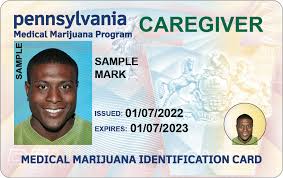
Getting started with medical marijuana in Pennsylvania involves several steps. Many first-time patients feel unsure about what comes next. Each part of the process includes clear tasks and requirements. Understanding what to expect can help avoid unnecessary delays. Applicants who prepare early sometimes complete the process more smoothly.
Pennsylvania dispensaries sometimes receive questions from patients beginning the registration process. Knowing how to apply starts with understanding eligibility rules. From documentation to physician certification, each stage matters equally. Having the right details ready helps simplify the path ahead.
Check the Medical Conditions List Carefully
State law only permits medical marijuana for approved conditions. The list includes disorders such as chronic pain or anxiety. Conditions must be verified by licensed medical professionals in the state. Reviewing the list first helps patients know where they stand. Certification depends entirely on the condition and its documentation.
Each condition requires evidence from official health records. Patients should collect reports and test results before scheduling visits. Proper medical history helps physicians assess the situation quickly. Providing complete details increases the chance of an accurate review. Organized documents can make the approval process more manageable.
Gather and Organize Documents in Advance
Application success depends on submitting the correct information. Identification, address confirmation, and medical records are required. Details must match across all forms used during the process. Incorrect or mismatched information may result in unexpected setbacks. Checking the accuracy of every detail can prevent delays.
Electronic copies must be clear, updated, and easy to read. Documents should be saved under specific file names for access. Using folders can help applicants sort and locate files fast. Some may also choose to keep physical copies nearby. Consistency supports faster responses from official state portals.
Select a State-Approved Medical Marijuana Doctor
Only physicians listed in the state registry may evaluate patients. Each doctor follows the program rules and verifies the required conditions. Patients should confirm the physician’s eligibility before scheduling anything. Choosing someone familiar with the process can make things easier. Accurate evaluations depend on understanding state-specific requirements.
Appointments usually involve reviewing current symptoms and past health history. Applicants should prepare to answer questions with clear detail. Descriptions of pain, discomfort, or treatment history can help. Open conversations allow doctors to form better medical judgments. Trust and cooperation improve the overall consultation experience.
Register on the State Website with Care
The official portal manages all medical marijuana patient accounts. Patients in Pennsylvania must sign up using accurate personal and contact details. Information must match the submitted documents exactly. Any error might lead to complications or unexpected delays. Reviewing entries before submitting helps avoid repeated attempts.
Password setup must be secure and easy to remember. Log-in credentials should be saved for regular use and future updates. The online system provides notices about renewals and payments. Familiarity with the portal helps during every future visit. Accounts remain the patient’s primary tool for access.
Plan for All Costs and Renewals
Medical marijuana card applications include standard state fees. These costs may vary depending on support program eligibility. Applicants should confirm if they qualify for reduced rates. Planning for both the physician visit and registration helps. Budgeting early prevents any disruption in the timeline.
Renewals are required yearly to keep access valid. Each renewal includes a new doctor evaluation and state fee. Setting calendar reminders can help avoid missed deadlines. Financial preparation improves confidence during long-term participation. Cost awareness supports better decision-making across the program.
Understand Available Products and Legal Use
State law only allows certain marijuana forms for treatment. Inhaled smoke forms are not permitted for medical use. Patients can access items like oils, tinctures, and capsules. Staff at registered Pennsylvania dispensaries help patients choose from those. Knowing what is allowed protects patient access rights.
Physicians may offer guidance on product types based on symptoms. Label instructions explain how to take each form correctly. Patients should follow their doctor’s recommendations carefully. Storage and usage must follow specific state requirements. A clear understanding supports lawful and proper product use.
Prepare for the First Dispensary Visit
First-time visits may feel unfamiliar but become easier with preparation. Patients in Pennsylvania should bring their medical card and identification. Dispensary staff will review the documents and explain product options. Patients can ask questions to learn about suitable products. Each location may have slightly different steps on arrival.
A typical first visit includes:
- ID and card verification
- Review of symptoms and needs
- Guidance on available product formats
- Instructions on usage and dosing
- Discussion about follow-up or future purchases
Get Clear Support From Dispensaries That Guide Patients
Applying for a medical marijuana card involves several precise steps. Patients benefit from guidance that explains rules, documents, and timelines clearly. Some Pennsylvania dispensaries focus on education and compliance, not just transactions. Their teams help patients understand expectations from start to finish.
These providers sometimes assist with doctor connections and renewal planning. They explain product categories and lawful use without confusion. Support like this helps patients move forward with confidence. Exploring this type of guidance can simplify the entire experience.