Keeping your home secure is a top priority for homeowners who want peace of mind and long term protection. Modern security solutions have evolved beyond simple locks and alarms, offering layered protection that adapts to everyday living. Learning how window sensors fit into a broader security strategy can help homeowners make smarter decisions about protecting their property.
Strengthening Entry Points With Modern Sensors
Doors and windows remain the most common points of entry for unauthorized access, making them a critical focus for home security upgrades. Modern contact sensors detect when a door or window is opened, triggering alerts before a situation escalates. These systems quietly monitor activity while allowing homeowners to go about their daily routines.
Many newer sensors are designed to blend into existing frames and require minimal maintenance. They can be installed without major structural changes, making them suitable for both older and newer homes. When paired with a central monitoring system, these sensors provide early warnings that significantly improve response times.
Upgrading Locks and Door Hardware
Traditional locks may no longer offer adequate protection against modern break-in techniques. Reinforced deadbolts and smart locks provide an extra layer of defense that is difficult to bypass. These upgrades enhance both physical security and convenience.
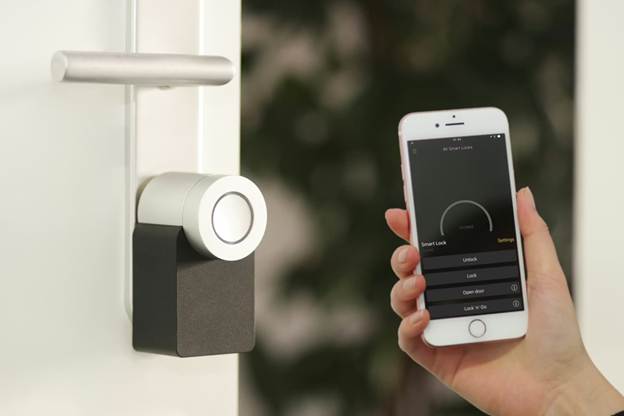
Smart locks allow homeowners to control access remotely and monitor entry activity in real time. This is especially helpful for managing deliveries, guests, or service providers. Stronger door hardware combined with digital control reduces vulnerabilities at one of the most frequently used entry points.
Improving Outdoor Lighting for Visibility
Exterior lighting plays a key role in discouraging unwanted activity around the home. Well-placed motion-activated lights eliminate dark areas where intruders could hide. Increased visibility alone can deter suspicious behavior.
Modern lighting systems can be integrated with security systems to enable automated responses. Lights can activate when sensors detect movement or door activity. This combination enhances both safety and awareness without constant manual oversight.
Adding Interior Motion Detection
Interior motion detectors provide an additional layer of safety if exterior defenses are breached. These sensors monitor movement within the home and can distinguish between normal activity and unusual patterns. When strategically placed, they cover hallways, staircases, and main living areas.
Advanced motion-detection technology reduces false alarms by recognizing pets and routine movement. This ensures alerts are meaningful and actionable. Interior sensors work best when combined with door and window monitoring for complete coverage.
Using Cameras for Awareness and Documentation
Security cameras offer visibility that alarms alone cannot provide. They allow homeowners to see what is happening in real time and review recorded footage if needed. Cameras also serve as a visible deterrent when placed in noticeable locations.
Modern camera systems offer high-resolution video and remote access through mobile devices. This makes it easy to check on your home from anywhere. When paired with other security upgrades, cameras enhance clarity and confidence in home protection.
Integrating Smart Security Systems
A fully integrated security system brings all components together into a single platform. Sensors, cameras, lighting, and locks can work in coordination to provide seamless protection. Automation allows systems to respond instantly to changes without manual intervention.
Smart integration also simplifies monitoring and control for homeowners. Alerts, status updates, and system adjustments can be managed from one interface. This streamlined approach makes advanced security more accessible and effective.
Maintaining and Testing Security Equipment
Even the best security upgrades require regular maintenance to remain effective. Testing sensors, updating software, and checking batteries help prevent failures when protection is needed most. Consistent upkeep ensures systems perform as expected.
Professional monitoring services can help identify issues early. Routine checks reduce the risk of false alarms or missed alerts. Proper maintenance protects the investment made in home security upgrades.
Conclusion
Home security is most effective when approached as a combination of smart upgrades rather than a single solution. By strengthening entry points, improving visibility, and integrating modern technology, homeowners can create a safer living environment. Thoughtful planning and regular maintenance ensure these upgrades continue to provide reliable protection for years to come.