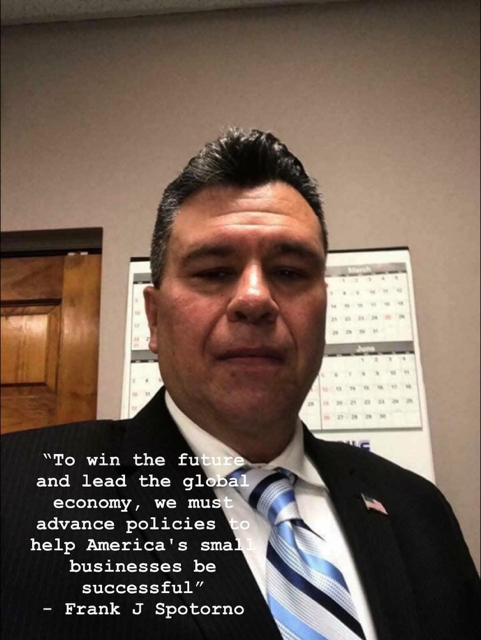
By Frank Spotorno
The escalating property tax burden is prompting working families and seniors to sell their homes, underscoring the need for a transformative shift in how government agencies operate. As municipalities grapple with financial crises, it’s clear that innovative solutions are imperative. By streamlining government services, embracing private sector efficiency, and promoting transparency, we can unlock a brighter future for homeowners.
The Property Tax Burden: A National Issue
- Property taxes vary significantly across states. For instance:
- New Jersey: 2.23% effective property tax rate, with a median home value of $300,000 and a property tax bill of $6,690
- Illinois: 2.08% effective property tax rate
- Connecticut: 1.79% effective property tax rate
In contrast, states like: - Hawaii: 0.27% effective property tax rate, with a median home value of $808,200 and a median real estate tax paid of $2,183
- Alabama: 0.38% effective property tax rate
- Colorado: 0.49% effective property tax rate
- In New York City, property taxes are determined by the property’s classification, with different tax rates applying to different classes:
- Class 1 Properties: One- to three-unit residential properties, taxed at 20.085%.
- Class 2 Properties: Residential properties with more than three units, taxed at 12.500%.
- Class 3 Properties: Utility company equipment and special franchise property, taxed at 11.181%.
- Class 4 Properties: Commercial and industrial properties, taxed at 10.762%.
- Unlocking a Brighter Future
To alleviate the property tax burden, we must: - Streamline government services: Reduce bureaucracy and inefficiency in local, state, and federal agencies
- Introduce private sector competition: Allow private companies to bid on services like sanitation and inspection, promoting efficiency and cost-effectiveness
- Implement Request for Bid (RFB) process: Ensure transparency and accountability in government contracting
- New York State’s Property Tax Cap
New York State law places a cap on the annual growth of the property tax levy for local governments and school districts, with some exceptions. The cap is calculated as the lesser of 2% or the rate of inflation. However, the cap can be overridden with a 60% supermajority vote, and some jurisdictions are exempt from the cap, including New York City. - A Call to Action
It’s time to reimagine our approach to property tax reform. By embracing innovative solutions and collaborative governance, we can create a more sustainable and equitable system. As we move forward, let’s prioritize transparency, efficiency, and the well-being of our communities. I’m considering a run for Governor to ensure that our taxes will never increase by more than 2% and to find additional revenue by turning our state and local governments into a business that thrives on efficiency and cost-effectiveness.
Frank Spotorno was the Republican candidate for Congress in NY-14 in 2016. He is the founder of Bringourjobshome.com and lives in Yonkers.