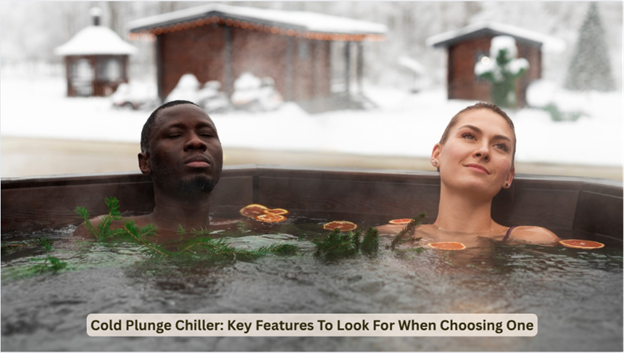
Wellness has transformed way beyond traditional workouts.
It previously found its place in basic exercise routines and dietary programs but has lately evolved into medical therapies aimed at optimization of recovery and resilience. Of those, cold exposure has seen a recent surge in popularity, but not as a fad – rather, as a practice rooted in quantifiable physiological rewards.
Everyone from athletes and fitness enthusiasts to those with a fitness goal, or people in pursuit of mental clarity, is hot on the trail of ice baths and controlled cold water immersion for performance enhancement, prompt healing, and better well-being.
Yet the success of such treatments relies on consistency and management. More traditional means, such as tubs filled with ice, also introduce complications when you want to have a consistent cold experience. On the other hand, other disadvantages of the therapy include inconsistent water temperatures, the ongoing expense of ice, and the inability to duplicate optimal cold ranges for effective treatments.
This is where technology fills the void.
Cold plunge chillers are engineered to control and maintain water temperatures to offer cold immersion benefits. For those who see the wheel as a much more defined long-term undertaking, the decision to go the chiller route is an important one.
The guide clearly defines the leading features to consider when buying a cold plunge chiller that meets your needs – performance, practicality, and durability.
1. Temperature Range and Precision Control
When selecting a cold plunge chiller, the most important feature to consider is consistent and precise temperatures.
While water in an ice bath quickly heats up, the chiller provides a uniform temperature. An effective system should cover a broad operating range, from slightly less than freezing to somewhat cool, depending on user tolerance and the therapy properties.
Modern chillers have digital thermostats to control the temperature to the exact degree. This removes guesswork and allows the user to customize sessions, from heavy athletic recovery to general well-being. Temperatures are kept consistent to ensure the desired effects of vasoconstriction and anti-inflammation, without variation. Here are some specialized models designed to meet these needs.
2. Cooling Power and Efficiency

The cooling load depends on the diameter of the plunge pool. It uses much less power than a full-size plunge basin. Thus, it is crucial to consider the horsepower and cooling capacity of the system.
Energy saving should also be considered a top priority. Some cutting-edge units even feature environmentally friendly refrigerants and improved compressors that make them more efficient while ensuring no drainage to your wallet. Unstable or weak chillers may overload and fail, resulting in shortened service life and higher running costs.
3. Filtration and Water Quality Systems
Your cold therapy is ineffective if the water isn’t clean.
In this respect, a solid chiller would have the built-in filter operating 24/7. This eliminates the build-up of dirt, bacteria, and algae that can negatively impact hygiene and the performance of the machine.
Some models include a UV sterilization or ozone purification system as well. These inclusions expand the time between cleansing and ensure that every drop is clean and safe. Water quality without suitable filtration degrades quickly, and it will need to be replaced frequently, which decreases the consumer acceptance of the treatment.
4. Durability and Build Quality
The build of an ice bath chiller is what makes it dependable over the long haul. The units constructed on corrosion-resistant materials, including stainless steel or high-end noble polymers, will exhibit long-term durability against constant moisture and temperature variation. Sound insulation, on the other hand, is also prudent to retain cold temperatures effectively.
Internal components, such as compressors, fans, and pumps, also need immense consideration. Opting for a model from an established brand lowers the potential for multiple repairs.
5. Noise Levels and Placement Flexibility
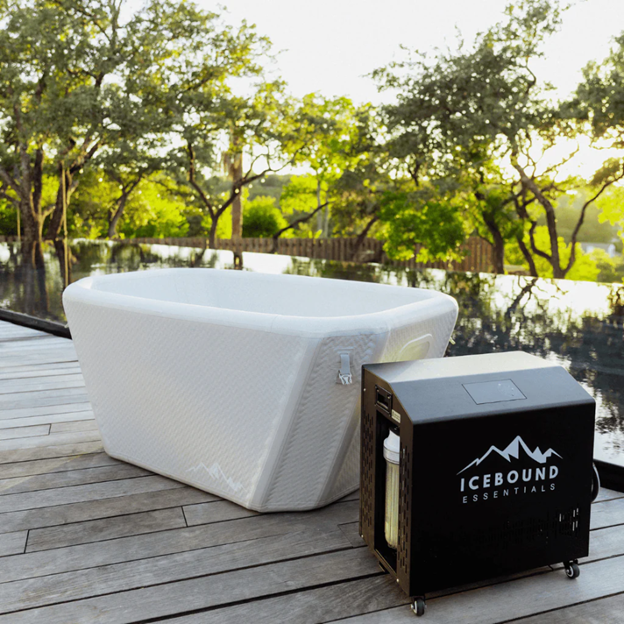
A cold stab chiller must run quietly.
Excessively loud or high-pitched compressors could spoil the serene ambience typically found in wellness areas. Units with silent features help create a quieter environment for gyms, spas, and your home.
Placement flexibility is equally critical. Small models that are suitable for indoor and outdoor installation are more flexible. The addition of weather-resistant housing and mobility casters allows for easier movement without performance compromise.
6. Usability and Smart Home Integration
Contemporary chillers are also designed to be user-friendly. Digital displays, programmable timers, and mobile app connectivity simplify operation, allowing users to control and monitor temperatures remotely.
Moreover, controlling and monitoring temperatures from anywhere using your mobile device makes it even more ideal. This is quite convenient for people who prefer their plunge right after workouts or long working hours.
Some even monitor usage history, energy consumption, and maintenance reminders.
Speaking of, these clever integrations turn a simple cold plunge chiller into a smart wellness tool that can be personalized to your schedule and preference. Without these, it’s a dated feeling, painful to scale and service.
7. Maintenance Requirements and Accessibility
Although filters minimize maintenance, no chiller is completely maintenance-free. A quality model should be easy to service and accessible with easily serviceable parts that users (or maintenance personnel) can clean and maintain, replace, or at least inspect.
Clear manufacturer’s support, warranty inclusions, and availability of spares should also be taken into account.
As a result, invest in a system that is low-maintenance, easy to maintain, and can save you ample time, while ensuring stable performance.
8. Value For Money
Pricing varies widely depending on cooling capacity, features, and brand reputation. It must be borne in mind that cost alone should not be the only parameter to be considered. The allure of an inexpensive unit may be alluring at first, but it may cost more in the long run due to higher maintenance, electricity, and repair costs.
Value needs to be balanced against efficiency, life period, and add-ons, such as purification function or smart integrations.
9. Safety Features and System Reliability
Cold water immersion is not without its hazards if not managed safely. A good chiller comes with many safety features, a shut-off mechanism, overheating protection, and leak detection systems. These attributes are helpful to safeguard the user and the machine.
Other safety features, such as child lock systems and safety casing, make the unit safe for use at home.
Conclusion
The practice of cold immersion therapy is best done with consistent attention to hygiene and safety. A cold plunge chiller removes ice baths from the equation and all of the variables that come with them, providing a consistent atmosphere that gives you a fixed outcome every time. Buyers can compare temperature control, efficiency, filtration, durability, noise, ease of use, ease of maintenance, cost, safety, and fit to determine an ideal unit for their specific circumstances.
The appropriate chiller is much more than simply a machine; it plays a fundamental role in long-term health aspirations. Consequently, strategic investment will make certain that each dip adds significantly to recovery, strength, and durability.