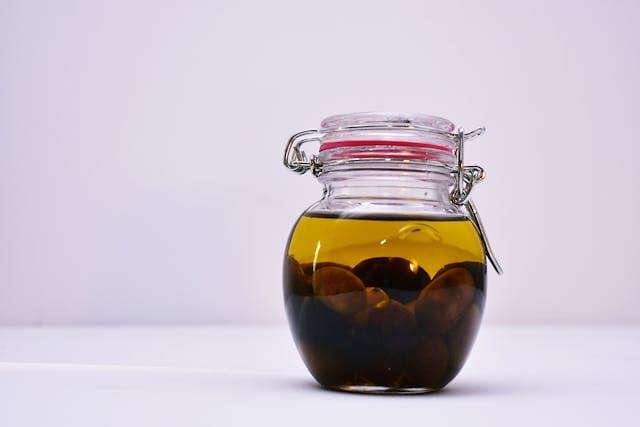

Olive oil has been a staple in Mediterranean diets for thousands of years, celebrated for its rich flavor and its numerous health benefits. As interest in natural and wholesome foods continues to grow globally, olive oil has garnered significant attention for its potential to promote well-being and prevent chronic diseases. From heart health to skin care, the versatile properties of olive oil make it a popular choice for those looking to improve their diet and lifestyle. This blog post explores the science-backed health effects of olive oil, helping you understand why incorporating it into your daily routine can be a smart and delicious decision.

Photo from Pexels.com
The Nutritional Profile of Olive Oil
Olive oil is primarily composed of monounsaturated fats, particularly oleic acid, which accounts for 55-83% of its total fat content. These fats are considered healthy because they can help reduce bad LDL cholesterol while maintaining or even increasing good HDL cholesterol. Beyond fats, olive oil contains antioxidants like vitamin E and polyphenols, which have anti-inflammatory and heart-protective properties. The unique combination of these nutrients sets olive oil apart from many other cooking oils, making it a flavorful addition to meals and a source of important nutrients that contribute to health.
Heart Health Benefits
Olive oil is widely recognized for its positive effects on heart health, primarily due to its high content of monounsaturated fats, which help lower bad LDL cholesterol while supporting good HDL cholesterol levels. Regular consumption can aid in reducing blood pressure and improving the elasticity of blood vessels. For example, using quality oils like Frantoio Grove cold pressed olive oil, which retains a high level of antioxidants and healthy fats, can contribute to these cardiovascular benefits. These compounds work together to reduce inflammation and prevent plaque buildup in arteries, supporting heart function. Incorporating olive oil as part of a balanced diet is a natural way to promote long-term cardiovascular health.
Skin Health and Olive Oil
Olive oil is beneficial when ingested and when applied topically. Its antioxidant content helps protect the skin from premature aging and environmental damage caused by free radicals. Olive oil is often used as a natural moisturizer because it helps to lock in moisture and nourish the skin without clogging pores. Its anti-inflammatory properties can soothe irritated skin and support healing. Whether used in cooking or as part of your skincare routine, olive oil offers multiple ways to enhance your skin’s appearance and resilience.
Olive Oil’s Role in Reducing Inflammation
Chronic inflammation is a key driver of many diseases, including arthritis, diabetes, and some cancers. Olive oil contains bioactive compounds like oleocanthal, which has been found to mimic the effects of anti-inflammatory drugs. Regular consumption of olive oil may help reduce markers of inflammation in the body, leading to improved symptoms and potentially lowering the risk of chronic conditions associated with persistent inflammation. This anti-inflammatory effect adds to olive oil’s appeal as a natural way to support long-term health.
Impact on Brain Function and Cognitive Health
Emerging research suggests that olive oil may benefit brain health and cognitive function. The antioxidants and healthy fats in olive oil contribute to protecting brain cells from oxidative stress and inflammation, which are involved in neurodegenerative diseases like Alzheimer’s. Some studies have linked olive oil consumption with improved memory, attention, and processing speed in older adults. While more research is needed to confirm these effects, incorporating olive oil into a balanced diet may be a valuable strategy for maintaining brain health as you age.
Olive Oil and Weight Management
Despite being calorie-dense, olive oil can play a positive role in weight management when used correctly. It’s monounsaturated fats promote satiety, helping you feel fuller for longer and potentially reducing overeating. Studies have shown that diets including olive oil may help maintain healthy body weight and fat distribution. Replacing saturated fats or processed oils with olive oil may support metabolic health and reduce the risk of obesity-related diseases. The key is moderation and using olive oil as part of a balanced, nutrient-rich diet.

Photo from Pexels.com
Olive oil stands out as one of the healthiest fats available, offering a wide range of benefits from heart protection and inflammation reduction to supporting brain and skin health. Its unique nutritional profile, rich in monounsaturated fats and antioxidants, makes it an excellent choice for those seeking to improve their diet and well-being. Whether drizzled on salads, used in cooking, or applied as a skin treatment, olive oil’s versatility and health-promoting properties have earned it a rightful place in kitchens and medicine cabinets alike. Embracing olive oil in your daily routine can be a simple but powerful step toward a healthier lifestyle.