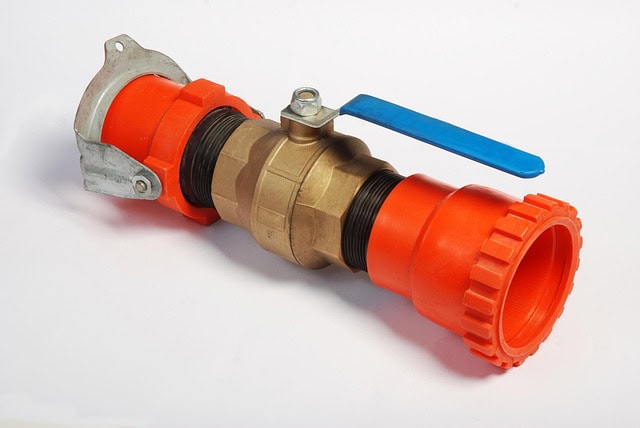

Butterfly valves are increasingly gaining traction in various industries due to their remarkable efficiency and simplicity. The mechanism of a butterfly valve allows for quick operation, making it ideal for applications where speed and reliability are paramount. They come with straightforward maintenance requirements, ensuring that operations remain smooth and disturbances are minimized.

Understanding the Basics
A butterfly valve is a type of quarter-turn valve that comprises a rotating disc, which controls the flow of fluid through a pipe. Unlike traditional valves that have complicated mechanisms requiring extensive motion to switch on or off, butterfly valves utilize a simple rotational movement that facilitates speed. This simplicity in design contributes to significantly quicker openings and closings, thereby enhancing operational speed. A notable feature of these valves is their compact design, allowing them to fit in tighter spaces while providing effective isolation of flow.
Beyond speed, butterfly valves are often manufactured from various materials, including stainless steel and plastics, ensuring compatibility with a range of fluids. The versatility encourages their use across different sectors, such as water treatment, oil and gas, and thermal power plants. Users appreciate the reduced pressure drop when using butterfly valves, maximizing the efficiency of fluid transport. Implementing options such as a Butterfly Flow Valve within a system streamlines the process and effectively regulates flow without the need for complex components. This combination of speed, efficiency, and adaptability makes them a practical choice for many applications.
Applications of Butterfly Valves
The applications of butterfly valves span multiple industries, showcasing their adaptability and performance. These valves are commonly employed in the water and wastewater sector for flow control and isolation purposes. Their ability to operate effectively under various conditions makes them important in managing the distinct phases of water treatment processes.
They are increasingly favored for controlling the flow of gases and steam in industrial settings, where quick adjustments are often required. In the oil and gas industry, the need for reliable and durable equipment is critical. Butterfly valves play a significant role here, ensuring the safe transport of hydrocarbons. Their compact design is appealing for applications where space is limited, while their simplicity contributes to improving system reliability.
Benefits of Quick Operation
One of the most compelling advantages of butterfly valves is their quick operational capability. The design allows them to open or close rapidly, often with only a quarter turn required for full operation. This swiftness is particularly beneficial in emergencies where systems need immediate adjustments. A glance at various operational settings reveals that industries prefer valves that minimize downtime.
Butterfly valves fulfill this requirement perfectly, leading to better overall system performance. Their quick operation is matched by high responsiveness to control signals, making them ideal for automated systems. In environments where remote control and monitoring are important, the ability to promptly manage flow rates becomes invaluable.
Ease of Maintenance
Maintenance is often a crucial consideration when selecting valves for any operation. Butterfly valves excel in this arena due to their simple construction, promoting easier inspection and servicing. Unlike more complex valve types, butterfly valves often require minimal disassembly for routine upkeep, ensuring that maintenance tasks can be carried out with relative ease. This simplicity translates into reduced labor costs and less downtime, making these valves economically appealing.
Manufacturers tend to incorporate fewer moving parts in butterfly valves, which naturally leads to fewer potential points of failure. With proper maintenance protocols established, the lifespan of these valves can be significantly extended. Routine inspections and maintenance can often reveal issues before they escalate, potentially saving companies from costly repairs or replacements.
Cost-Effectiveness
From a financial standpoint, butterfly valves often represent cost-effective solutions for many industries. Their straightforward design requires less material to manufacture compared to other valve types, such as gate or globe valves. This reduced material utilization leads to lower upfront costs. The efficiency gained through quick operations can translate to enhanced productivity and operational savings over time.
Organizations continually seek ways to cut expenses without sacrificing quality. The longevity and low maintenance demands of butterfly valves contribute to substantial long-term savings. They are designed for robust performance, which can minimize the frequency of unplanned failures, further supporting cost-efficient operational strategies.
Types of Butterfly Valves
A variety of butterfly valve types caters to different industrial needs, including rubber-lined, metal-seated, and high-performance butterfly valves. Each type serves a unique purpose based on operational demands and fluid characteristics. Rubber-lined valves offer excellent corrosion resistance and are ideal for water applications.
Metal-seated valves are preferred in high-pressure settings and for transporting harsh chemicals due to their durability. High-performance butterfly valves combine features from various designs, providing enhanced control and reduced friction. This adaptability enables industries to select the most suitable valve type that aligns with specific operational requisites.

The preference for butterfly valves in various industrial settings stems from their quick operation and ease of maintenance. Their ability to provide reliable control over flow while minimizing downtime positions them favorably against other valve types. Coupled with cost-effectiveness and a range of suitable applications, butterfly valves continue to integrate effectively into modern systems. Their growing popularity underscores their operational strengths and adaptability.