In the realm of emergency preparedness, businesses and organizations constantly seek effective strategies to mitigate risk and ensure swift recovery. One critical aspect often overlooked is the role of commercial cleaning services in these plans. Effective cleaning is vital for regular maintenance and for preparing a facility to respond to emergencies. With the right commercial cleaning protocols in place, companies can significantly reduce risks associated with health hazards, property damage, and operational downtimes.
Understanding the Importance of Emergency Preparedness
Emergency preparedness encompasses more than just updating contact lists or purchasing supplies; it requires a comprehensive approach to risk management. According to the Federal Emergency Management Agency (FEMA), nearly 60% of small businesses close within six months of a disaster. This statistic underscores the necessity of a thoroughly preparedness strategy. Incorporating commercial cleaning services into this strategy ensures facilities remain hygienic and safe, an essential factor when unexpected situations arise. Cleaning measures can prevent contamination, limit the spread of pathogens, and facilitate a quicker recovery process post-emergency.
Commercial Cleaning’s Role in Emergency Protocols
The role of commercial cleaning goes beyond aesthetics. A well-devised cleaning protocol can prove instrumental in emergency situations. For instance, many organizations don’t consider the impact of biohazard scenarios, which necessitate specialized cleaning services. These include incidents like spills or even emergency scene cleaning following violent situations. Companies that plan effectively can eliminate the risks associated with biohazard situations, ensuring a swift recovery.
Commercial cleaning teams are trained to use protective equipment and follow protocols that align with safety standards set by agencies such as OSHA. This expertise allows them to handle hazardous materials safely, ensuring the environment is free from potential health risks. This level of preparation results in facilitating compliance with regulatory standards, thus safeguarding the business’s reputation and mitigating liability risks.
Types of Emergencies Where Cleaning Is Crucial
Understanding the types of emergencies that require focused cleaning efforts is essential for developing a robust response plan. Natural disasters, such as floods, earthquakes, or hurricanes, often result in significant damage to properties, requiring deep cleaning and restoration services. According to the National Oceanic and Atmospheric Administration (NOAA), the U.S. faced nearly 22 tropical storms in one year alone. Following such events, companies urgently require cleaning to remove debris, sanitize affected areas, and restore normalcy.
Similarly, workplace accidents like chemical spills must be met with an immediate and safe cleaning response. Failure to address such incidents promptly can lead to secondary hazards, including respiratory issues for employees or customers. Effective cleaning in these scenarios prevents health risks and demonstrates a commitment to employee safety and employee well-being.
Establishing a Cleaning Protocol for Emergencies
Developing a comprehensive cleaning protocol is paramount for organizations aiming to include commercial cleaning in their emergency preparedness planning. This protocol should comprise a detailed cleaning checklist tailored to various potential emergencies. The protocol must outline steps to undertake when facing outbreak situations, including sanitization methods, safety gear usage, and disposal methods for contaminated materials.
Regular training sessions for employees and cleaning personnel can foster a culture of preparedness and compliance. These trainings ensure that all staff members know their roles and responsibilities, minimizing confusion during emergencies. Having a designated contact for commercial cleaning services during crises can streamline communication and action, ensuring that cleaning gets executed efficiently and effectively.
Implementing Technology in Commercial Cleaning
Incorporating cleaning technology further enhances the effectiveness of commercial cleaning during emergencies. Advanced solutions such as electrostatic sprayers or UV light disinfection systems can significantly enhance cleaning protocols. These technologies improve efficiency and ensure that all surfaces are adequately disinfected, which is particularly important in a public health emergency where infectious disease transmission is a concern.
Utilizing software for scheduling and tracking cleaning activities can provide valuable data. This data allows for adjusting cleaning protocols based on real-time assessments of cleanliness and air quality. Remote monitoring systems can help maintenance staff identify potential issues before they escalate, leading to better management of cleaning tasks. Technology plays a crucial role in strengthening emergency preparedness plans.
Commercial Cleaning in Crisis Management
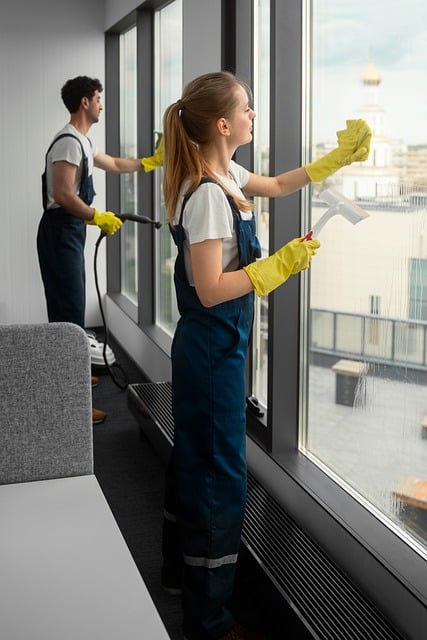
One significant concern when planning for emergencies is the financial aspect. Many organizations overlook the cost-effectiveness of investing in commercial cleaning. While the initial investment may appear significant, the long-term savings from preventing health issues, minimizing property damage, and avoiding litigation often outweigh the costs. An effective cleaning protocol can reduce sick days, enhance employee productivity, and improve customer satisfaction, all of which affect the bottom line positively.
Insurance policies may offer reduced premiums for companies that demonstrate proactive risk management and cleaning measures. Maintaining a clean and safe environment can mitigate risks recognized by insurance companies, leading to cost savings in the event of an incident.
Collaborating with Cleaning Professionals
Collaboration with professional cleaning services is essential for ensuring that an organization’s cleaning protocols are effective and efficient. Engaging professionals who specialize in commercial cleaning, particularly in emergency readiness, can provide insight into best practices and compliance with health regulations. A consultation can analyze existing cleaning protocols, offering opportunities for improvement and updates based on the latest standards and technologies.
Ongoing partnerships with cleaning service providers can initiate a standardized plan tailored to specific organizational needs. These partnerships foster communication, allowing for readily available skilled teams during emergencies without significant lag time, which is critical in a crisis situation.
Commercial cleaning plays an indispensable role in the framework of emergency preparedness plans. By prioritizing cleaning protocols and collaborating with cleaning professionals, organizations enhance their resilience against various emergencies. The careful integration of cleaning services and effective communication can lead to a healthier and safer environment, safeguarding both employee well-being and business interests.