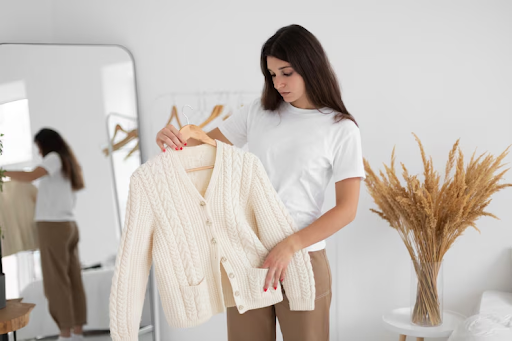


Before a brand becomes recognizable-before its logo hits social feeds or its styles show up in checkout carts-there’s usually a quiet partner shaping the entire operation: a private label clothing manufacturer. These manufacturers rarely get the spotlight, but their influence touches every fabric choice, every stitch, every fit. They’re the ones turning sketches into reality and prototypes into products that sell.
The Real Difference Between Reselling and Creating
There’s a thrill in launching a fashion line, especially when early traction comes through reselling or customizing pre-made garments. But that model only scales so far. Eventually, the need to own the design-not just the inventory-becomes impossible to ignore. That’s where private label comes in. It’s not just about slapping a logo on a blank tee. It’s about designing pieces that carry your aesthetic from cut to collar.
This transition-away from generic stock and into owned design-usually marks the point when a brand stops being a project and becomes a business.
Not All Manufacturers Are Cut from the Same Cloth
The manufacturing side of fashion operates like an iceberg: what clients see is just a fraction of the operation. The smooth email thread, the sample box, the price quote-that’s the polished surface. Beneath it are supply chains, labor conditions, material sourcing, machine availability, and timezone juggling.
What sets apart a good private label clothing manufacturer is their ability to manage all of that without letting the client feel the weight. The best ones simplify, clarify, and communicate clearly. They don’t promise the moon in week one, but they rarely leave messages on read either. They become steady, reliable players in a fast-moving industry.
Sample Round One: A Test of Patience and Precision
Creating the first sample is both exciting and stressful. Nothing ever fits perfectly the first time. Even with great tech packs and references, fabric behaves differently in real life. A hemline that looked modern in a sketch can feel off when worn. Shoulder seams might sit oddly once sewn.
This is where trust really gets built. A skilled manufacturer listens, adjusts, and doesn’t treat feedback like a nuisance. They ask follow-up questions. They explain what’s doable now, and what might need new patterns or machine settings. It’s not just about getting one sample right-it’s about setting the tone for every future collection.
Low MOQ, High Stakes
For newer brands, Minimum Order Quantity (MOQ) often feels like a gatekeeper. Traditional factories might require hundreds-or even thousands-of units per style. That’s terrifying when testing a market or launching a capsule line.
The best private label partners understand this tension. They offer lower MOQs or tiered pricing models. They get that a designer may want to test three styles in small runs before investing heavily. And more importantly, they don’t punish small orders with sloppy work. Every piece still gets treated like it matters.
Because for small brands, it really does.
Speed Isn’t Everything-Unless It’s Backed by Quality
Everyone wants fast turnarounds. But rushing can backfire hard in fashion. The fastest factory in the world won’t help if the seams unravel or the sizing runs wild. A reliable manufacturer sets honest timelines-and meets them. If they say six weeks, they mean six weeks, not six and then another four with radio silence.
The irony? Brands that slow down slightly in production often move faster in growth. That’s because they avoid costly delays from product returns, missed launches, or stock that needs reworking.
It’s a cliché, but true: slow is smooth, smooth is fast.
Communication Is the Hidden Superpower
Manufacturing clothing is half logistics, half translation. Ideas have to be communicated in ways that can be measured and replicated. When a client says “boxy but soft,” a great manufacturer will ask: how many inches of ease? Where should the shoulder seam land? What fabric weight matches the drape you’re imagining?
Miscommunication kills more fashion lines than bad marketing ever will. That’s why clarity matters-on both sides. The best manufacturers educate while executing. They help new designers get fluent in technical terms without making them feel out of their depth.
Fabric: The Foundation That Changes Everything
A common rookie mistake is picking a design before picking the fabric. But fabric isn’t just the skin of a garment-it’s its personality. A structured cotton makes a button-up feel sharp and preppy. The same cut in bamboo viscose suddenly feels relaxed and modern.
That’s why strong private label manufacturers offer fabric advice early. They have swatches. They know what behaves well during cutting, what washes nicely, what holds color best under flash lighting. This kind of guidance doesn’t just improve product quality-it shapes brand identity.
Sizing Is Where Brands Earn Loyalty
One bad try-on experience can lose a customer forever. That’s why consistency in sizing is vital. A good manufacturer helps brands develop reliable grading systems that match their target market. Whether aiming for petite shoppers or size-inclusive lines, the pattern needs to scale properly-and repeatedly.
Once sizing is locked, it becomes a kind of promise. Shoppers know what to expect. They don’t have to second-guess every purchase. And that kind of trust can’t be bought with influencer campaigns. It’s earned, piece by piece.
Scaling Without Losing Soul
The biggest fear for small brands when they start scaling is losing what made them special in the first place. Intimacy. Craft. Details. The founder’s hand in every decision.
A smart private label partner doesn’t bulldoze that nuance. They find ways to keep production efficient without turning the product generic. Maybe it’s custom labels. Maybe it’s preserving handmade finishes on select items. Maybe it’s keeping the original silhouette while streamlining fabric usage.
Growth doesn’t have to mean compromise. But it does require planning. And that’s easier with a manufacturer who thinks long-term.
Why Great Manufacturers Think Like Brand Builders
Technically, manufacturers are service providers. But the ones that really stand out don’t act like vendors-they act like collaborators. They ask about your next season, not just your current PO. They offer ideas. They warn you when a trend is peaking. They get excited when your pieces go viral.
That kind of investment builds brands. It also makes launches smoother, photoshoots easier, and customer retention higher. Because when a manufacturer cares, it shows-in the seams, the stitching, the tags, the feel.Choosing the right private label clothing manufacturer isn’t a box to check-it’s a defining decision. It shapes what a brand becomes, how it grows, and what it’s known for. And while the search might involve some trial and error, when the right partner shows up, everything clicks into place. Not just on the rack, but in the brand’s future.