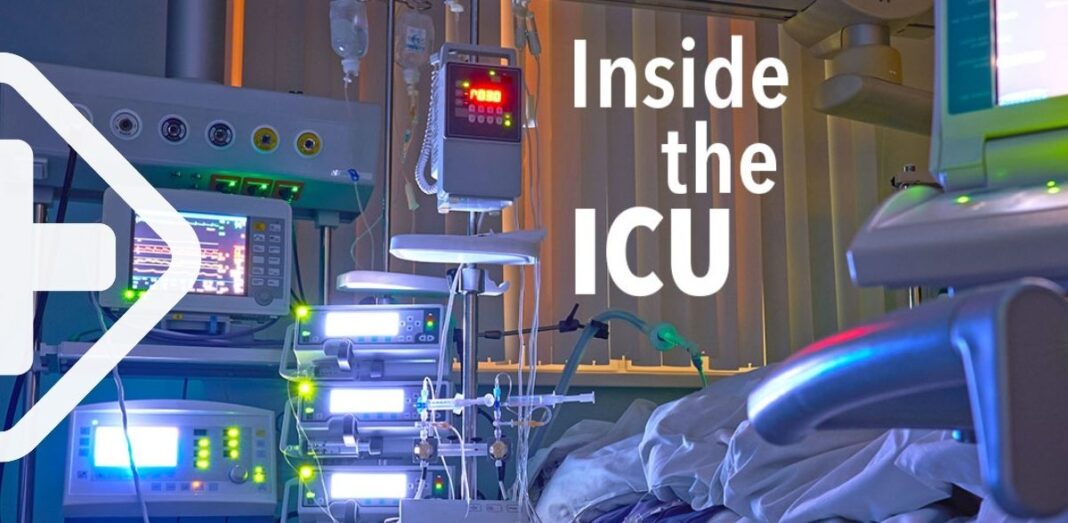


When someone’s life is on the line, the intensive care unit (ICU) is where the most critical care happens. It’s a place where advanced monitoring, expert staff, and rapid interventions come together to support patients facing serious illness or injury. From trauma cases to organ failure, the ICU handles situations where every second counts. Behind the closed doors and quiet hum of machines, a coordinated system of technology and teamwork works around the clock. Let’s take a closer look at what really happens inside the ICU, and why its role is so essential to modern hospital care.
The People Who Make It Work
The ICU team is a carefully trained group that includes critical care physicians, nurses, respiratory therapists, pharmacists, and sometimes specialists like neurologists or infectious disease experts. ICU nurses often care for just one or two patients at a time because of the complexity of the care involved. Communication is constant between shifts, during rounds, and in emergencies. Every team member is expected to make fast, accurate decisions. Whether it’s adjusting a ventilator setting or responding to sudden cardiac arrest, the staff must be highly skilled and deeply familiar with their patients’ conditions hour by hour.
Technology That Keeps Patients Alive
Life in the ICU depends on constant monitoring. Every patient is connected to machines that track heart rate, oxygen levels, blood pressure, and more. Ventilators help patients breathe. Dialysis machines support kidney function. Infusion pumps deliver precise doses of medication. Central monitors allow nurses to keep an eye on multiple patients at once. In more advanced units, digital records update in real-time to help with medication accuracy and clinical decisions. Behind the scenes, hospital systems also rely on threat intelligence to protect these vital technologies from cyber threats. A compromised monitor or infusion pump isn’t just a tech issue. It could be life-threatening.
Decisions in Real Time
Patients in the ICU can change condition quickly, so decisions often have to be made on the spot. Doctors weigh lab results, vital signs, and imaging studies all at once to determine the next step. If a patient’s blood pressure drops, or if oxygen levels fall, the response has to be immediate. This level of responsiveness is what separates critical care from other types of medicine. Families are often kept closely informed, but care teams must also make time-sensitive choices, sometimes under intense pressure. The goal is always to stabilize the patient and begin the path to recovery.
Supporting Families in a High-Stress Environment
Having a loved one in the ICU is emotionally exhausting. Many hospitals offer family liaisons, chaplains, and counselors to help people cope with the stress and uncertainty. While ICU staff are focused on clinical care, they’re also trained to communicate clearly and compassionately. Family meetings are often held to explain the patient’s condition and next steps. Sometimes, these discussions involve difficult topics like prognosis or end-of-life care. Providing support to loved ones is part of holistic ICU care, helping families feel included, informed, and respected during one of the most difficult times of their lives.
After the ICU: Recovery Isn’t Always Quick
Leaving the ICU doesn’t mean a patient is fully out of danger. Some move to step-down units for continued monitoring, while others may need weeks or months of rehabilitation. Post-ICU syndrome is real. It can involve physical weakness, memory issues, or emotional distress after a long critical illness. That’s why many hospitals have started offering follow-up programs to help patients transition from intensive care to recovery. For families and patients alike, adjusting to life after the ICU can take time, patience, and continued support from medical professionals who understand the toll of critical illness and intensive treatment.