
To Dan Murphy, Editor:
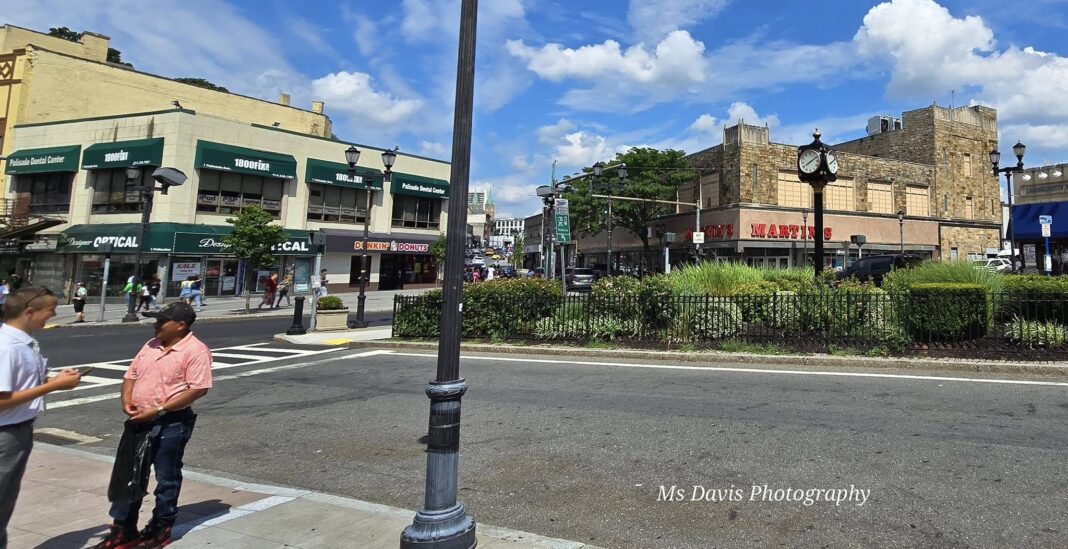
I wondered what is happening in Getty Square, while the rest of the City is under a construction-development boom.
Over the past decade, Yonkers has undergone a visible transformation. Cranes stretch across the skyline, luxury apartments rise near the Hudson River, and the city has garnered headlines for becoming a destination for real estate investment and film production. But in the heart of Yonkers — in Getty Square, the city’s historic downtown — the pace of progress has been starkly different.
Despite being one of the most transit-connected and densely populated sections of the city, Getty Square remains the poorest neighborhood in Yonkers. And while nearby waterfront areas have benefitted from tax incentives, rezoning, and robust infrastructure upgrades, Getty Square has largely stood still — caught in a cycle of underinvestment that community advocates say reflects decades of economic neglect.
A Tale of Two Yonkers
City officials have prioritized the revitalization of the Yonkers waterfront, the Alexander Street corridor, and parts of northeast Yonkers with major development packages. Luxury housing developments have received tax abatements and IDA-backed support in the tens of millions. A massive $585 million project by RXR Realty and the $600 million Lionsgate Studios campus have drawn praise from state officials for transforming Yonkers into a hub for media and production.
Meanwhile, Getty Square — despite its proximity to public transit, civic buildings, and existing retail — has seen few major public-private investments. Much of its housing stock remains aging and rent-burdened, commercial vacancies persist, and the streetscape has not benefitted from the kind of beautification or capital infrastructure improvements seen elsewhere.
Community Needs, Institutional Silence
In recent meetings, local stakeholders have voiced frustration that Getty Square is often “left out” of the city’s investment strategy. While officials have praised “transformational” development in other areas, there is little evidence that similar resources are being directed toward lifting up Getty Square — even as the district faces challenges like retail vacancies, public safety concerns, and aging infrastructure.
“There’s a feeling that the city is investing in places it wants to attract people to, instead of the places where people already are,” said a longtime community advocate. “Getty Square has the bones of a vibrant urban core, but it needs the same level of attention and investment we’re seeing in other parts of the city.”
The Case for Inclusive Growth
As Yonkers continues to pitch itself as a model for smart growth and economic resurgence, the disparity between neighborhoods, particularly Getty Square, raises questions about who benefits from that growth.
Economic development experts argue that inclusive, place-based investment strategies — particularly in lower-income, transit-oriented neighborhoods — can generate more sustainable, equitable growth. For now, the clock is ticking. With few large-scale investments on the horizon for Getty Square, the city must decide whether it’s serious about inclusive revitalization — or content to let downtown Yonkers remain in the shadow of its own success.