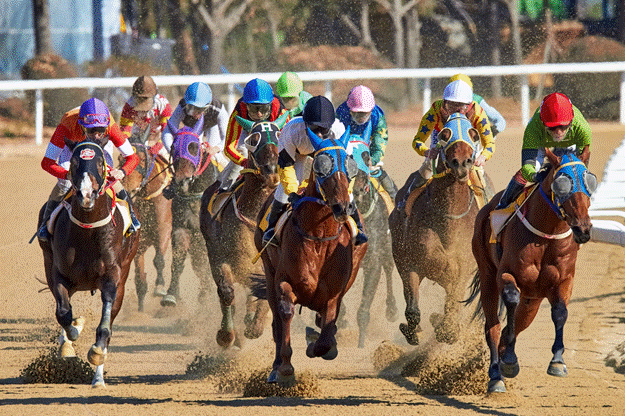
Photo from Unsplash.com
The 158th Belmont Stakes arrives at Saratoga Race Course on June 6 with something the Triple Crown season thrives on: unresolved drama. Rivalries are intensifying, trainers are rethinking tradition, and Saratoga’s setup continues to reshape how bettors analyze the race.
One year after another memorable Belmont at the Spa, horseplayers and racing fans enter this year’s edition with plenty of questions and strong opinions. From controversial Derby trips to fresh challengers and shifting betting angles, Saratoga feels unusually unpredictable.
1. The Derby Exacta Rematch: Golden Tempo vs. Renegade
Few recent Belmont Stakes storylines have sparked this much debate. Golden Tempo and Renegade turned the Kentucky Derby into an instant rivalry ahead of their Saratoga rematch.
How the Derby Pace Collapse Fueled the Rematch
Churchill Downs unraveled quickly. A blistering early pace exhausted the front-runners and created the perfect setup for Golden Tempo, who rallied from last at 23-1 odds to narrowly defeat Renegade.
Renegade’s supporters still believe he ran the stronger race after fighting through traffic from the rail and repeatedly losing momentum. That debate has become one of Belmont week’s biggest handicapping storylines.
Saratoga Setup and a Rivalry Taking Shape
Saratoga’s configuration, with its tighter turns and shorter run to the wire, tends to reward tactical positioning over dramatic late surges. That dynamic could play directly into Renegade’s stalking style, allowing him to stay within striking distance without needing a collapse up front, while also making life tougher for Golden Tempo if the pace doesn’t unfold as cleanly as it did at Churchill Downs.
That contrast is what gives this rematch its edge. Their dramatic Derby finish already established a compelling storyline, and Saratoga now offers a different kind of test, one that may either reinforce Golden Tempo’s breakthrough or give Renegade the ideal setup to turn the tables in a more controlled, tactical race.
2. The Five-Week Freshening Blueprint
Modern Triple Crown campaigns look very different from the grind-heavy schedules of the past. Golden Tempo’s connections made that clear immediately after the Derby by skipping the Preakness Stakes and targeting Saratoga with a fresher horse.
That five-week recovery window reflects a growing trend among successful Belmont contenders. Trainers increasingly prioritize rest over tradition, believing fresher horses hold a major stamina advantage late in championship races.
Fatigue has become one of the biggest handicapping discussions in modern racing. Young horses coming through a tough spring campaign can often struggle to replicate peak form just a few weeks later, making the potential “bounce” effect an important angle for bettors to consider.
Fans tracking Belmont Stakes prep trends can already see how Golden Tempo’s recovery plan is shaping early betting conversations, particularly among readers looking to compare contenders and Bet at FanDuel ahead of Saratoga.
3. The Shortened 1 1/4-Mile Saratoga Setup
The Belmont Stakes still carries enormous prestige, but Saratoga continues reshaping the race’s identity and forcing bettors to rethink traditional Belmont angles.
Why Saratoga Changes the Belmont Equation
With Belmont Park undergoing renovations, the race has returned to Saratoga for a third straight year, where it is contested over a shortened 1¼ miles instead of its traditional distance. That adjustment shifts the focus away from pure stamina and toward tactical speed, positioning, and race efficiency.
At this configuration, horses that can secure an early, efficient spot tend to hold a clear advantage, as Saratoga’s tighter turns and less forgiving lanes can quickly punish wide trips or overly patient rides, reshaping how the Belmont Stakes is ultimately handicapped.
Why Saratoga’s Track Bias Could Decide the Race
Experienced horseplayers will spend Belmont week studying early races for clues about track bias. Saratoga can heavily favor inside speed under certain track and weather conditions, especially during major racing weekends.
That makes inside post positions, tactical speed, and ground-saving trips especially important. One favorable bias can completely reshape exotic wagering strategies.
4. Danger from the New Shooters
Every Belmont Stakes seems to produce a fresh challenger capable of disrupting the Triple Crown narrative. This year, Growth Equity looks like the most dangerous “new shooter” after skipping both the Derby and Preakness.
His dominant Peter Pan Stakes victory immediately caught bettors’ attention. Trainer Chad Brown allowed the colt to develop gradually instead of pushing him through the demanding Triple Crown schedule earlier this spring.
Horses coming into the Belmont off lighter campaigns often carry an edge in untapped potential, having sidestepped the grind of larger, more demanding spring fields. That advantage has helped make the Peter Pan Stakes one of New York racing’s most productive Belmont prep races.
Fans naturally gravitate toward Belmont underdogs, especially when a late-blooming contender arrives fresh while the favorites carry most of the public pressure entering race weekend.
5. Chief Wallabee’s Pursuit of a Breakthrough
Chief Wallabee may be the horse bettors cannot stop rewatching from the Kentucky Derby replay after traffic trouble and poor positioning contributed to a frustrating fourth-place finish. Many handicappers believe the effort was stronger than it looks on paper.
Exotic bettors are paying close attention because:
- His tactical versatility fits Saratoga,
- He presents a more appealing alternative to heavily bet favorites,
- A cleaner trip could dramatically improve his finish,
- Exacta and trifecta potential remains very appealing.
Saratoga could present a completely different opportunity. Chief Wallabee’s stalking style fits this track well, and a smaller field may finally allow him to secure the clean trip he never found in the Derby during the chaotic Churchill Downs stretch run.
Why These Storylines Matter Beyond the Odds
The Belmont Stakes always delivers more than a horse race. Betting strategy, rivalry, emotion, and racing history all collide in one unforgettable weekend.
Why Bettors Are Searching for an Edge
Horseplayers tend to interpret these narratives differently than casual fans, as public reaction often skews prices and opens up value in unexpected places. Golden Tempo’s Derby victory may compress his odds beyond what the rematch truly demands, while factors like pace setup, race shape, and Saratoga’s tendencies can quietly elevate contenders that the broader market overlooks.
How Track Bias Shapes Betting Strategy
Experienced handicappers are always looking for subtle advantages that aren’t immediately obvious in the past performances, whether that means identifying tired legs from a taxing spring or reading early Saratoga cards for clues about speed favoring or inside-race efficiency. Those small but meaningful edges can end up outweighing raw ability when it comes to constructing exactas, trifectas, and multi-race wagers.
Why Fans Are Drawn to the Drama and Legacy
Rivalries like Golden Tempo versus Renegade bring a clear emotional throughline to the Belmont Stakes, giving fans a focal point that evolves with each new meeting. At the same time, the presence of underdogs like Growth Equity and redemption arcs such as Chief Wallabee’s return from setbacks add layers of unpredictability that keep the race compelling year after year.
A Belmont Stakes Full of Questions, Pressure, and Possibility
Few recent Belmont Stakes have carried this many compelling angles into race week. Rivalries remain unresolved, tactical questions continue dividing bettors, and Saratoga’s unique setup still reshapes expectations. Several contenders also arrive on very different paths.
One brilliant trip, one perfect pace scenario, or one overlooked contender could completely redefine the outcome. Racing fans and horseplayers will spend the next several days debating every possibility, which is exactly what makes Belmont Stakes season so captivating.
*Content reflects information available as of 21/05/2026; subject to change