
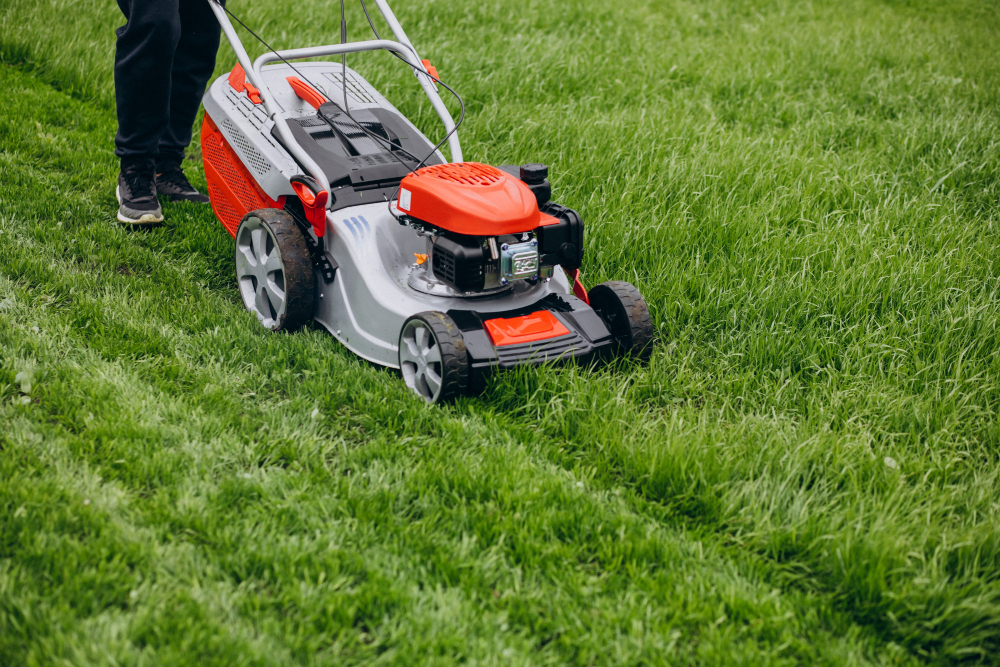
There’s something satisfying about looking back at a freshly mown lawn, especially when the grass is short, even and tidy. It can be tempting to lower the cutting height as far as possible, thinking you’ll get a neater finish and won’t have to mow again for longer. Unfortunately, grass doesn’t always respond well to that approach.
A healthy lawn needs enough leaf surface to capture sunlight and support strong growth. Whether you’re adjusting the cutting height on an ego lawn mower or using another type of machine, taking too much off at once can place unnecessary stress on the grass. Instead of saving you work, an extremely short cut can create problems that take considerably more effort to fix.
Getting the height right doesn’t mean letting your lawn become overgrown. It’s about finding the balance between keeping it neat and leaving enough healthy growth behind.
Shorter Doesn’t Always Mean Better
Grass blades aren’t simply there for appearance. They play an important role in photosynthesis, allowing the plant to turn sunlight into the energy it needs to grow.
When you remove too much of the leaf at once, the grass has less surface area available to produce that energy. The plant then has to draw on its stored resources to recover.
Repeatedly cutting a lawn too short can leave it stressed and less able to cope with other challenges, particularly periods of hot or dry weather.
You Could Encourage Weeds
A dense lawn can be surprisingly effective at keeping weeds under control.
Healthy grass creates competition for sunlight, water and nutrients while also helping shade the soil. Cut that grass extremely short and you can open up the lawn, allowing more sunlight to reach weed seeds near the soil surface.
The result can be the opposite of what you wanted. Instead of having a cleaner-looking lawn that requires less attention, you may find yourself spending more time dealing with unwanted plants.
The Soil Can Dry Out Faster
Longer grass provides valuable shade at ground level.
That shade can help reduce moisture loss from the soil, particularly during warm weather. When a lawn is repeatedly scalped, more of the soil surface may be exposed to direct sunlight.
This can mean the lawn needs more help to stay healthy during dry conditions. Leaving a little extra length can protect the soil and help grass make better use of the water it receives.
Scalping Can Leave Unsightly Patches
Setting the mower too low doesn’t guarantee an even finish.
Most lawns aren’t perfectly flat. Small dips, raised areas, tree roots and uneven ground can cause the mower deck to sit differently as you move across the yard. A very low cutting height increases the chance of the blades removing almost all the green growth in certain spots.
These pale or brown patches are commonly known as scalping. They can make a freshly mown lawn look worse than it did before you started.
Follow the One-Third Rule
One of the easiest ways to avoid cutting too aggressively is to follow the one-third rule. As a general guideline, try not to remove more than roughly one-third of the grass blade in a single mowing session.
If your lawn has become particularly long, don’t immediately cut it down to your preferred height. Reduce it gradually over several mowing sessions instead.
For example, if you’ve been away and returned to an overgrown lawn, raise the mower for the first cut. Give the grass some time to recover before lowering the cutting height slightly for the next mow.
This approach is less stressful on the lawn and can produce a much better result.
Adjust Your Routine With the Seasons
Your mowing routine doesn’t need to remain identical throughout the year.
Grass growth can change considerably depending on temperature, rainfall, sunlight and the type of grass you’re growing. During periods of rapid growth, you may need to mow more frequently rather than cutting dramatically shorter each time.
During hot or dry periods, leaving the grass slightly longer can provide additional shade and help protect the soil.
It’s also worth keeping your mower blades sharp. Dull blades can tear grass rather than cutting it cleanly, leaving ragged edges and making an already stressed lawn look untidy.
Aim for Healthy, Not Just Short
A great-looking lawn isn’t necessarily the shortest lawn on the street.
Pay attention to how your grass responds after mowing. If you’re regularly seeing brown patches, exposed soil or rapid weed growth, your cutting height could be part of the problem.
Leaving a little extra length may mean mowing slightly sooner, but it can also help create thicker, healthier grass. In the long run, that can mean fewer bare patches, fewer weeds and a lawn that looks good for reasons beyond simply being freshly cut.