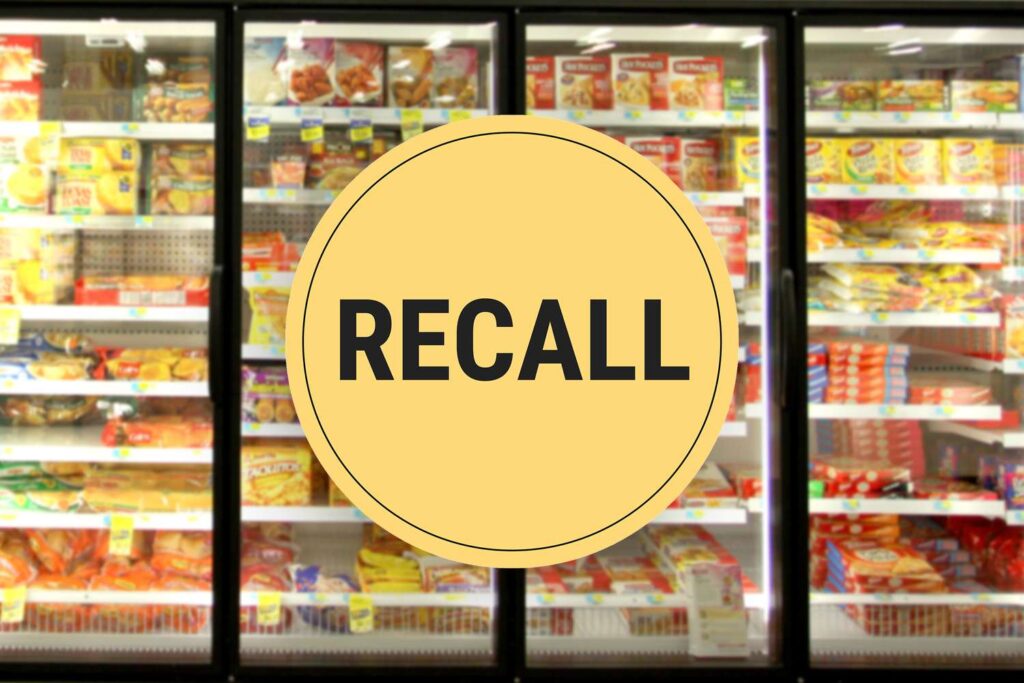
Navigating the vast landscape of food products available in supermarkets and grocery stores can be a daunting task for consumers. We put our trust in the brands we know – and by extension, the food regulatory systems in place that, theoretically, check up on those brands.
However, when these systems falter and a food recall is issued, the available consumer information often lacks meaningful detail, leaving consumers to grapple with uncertainty. Don’t consumers deserve better than this? Particularly when it comes to things like safety and contamination recalls?
The Imperative of Transparency
Properly communicating information to consumers during a food recall can mean the difference between safeguarding health and facing harm. It’s not merely about warning consumers; it’s about empowering them to make informed decisions. For example, your Taylor Farms salad is probably safe if you’ve got no allergies and the issue is a simple mislabel – but you won’t know that without proper, transparent information.
Providing detailed information can help quell panic, allowing consumers to understand the level of risk involved and take appropriate measures.
Why Does Produce Get Recalled?
There are various reasons food recalls can happen, some much more serious than others. For example, contamination with harmful bacteria or foreign objects, mislabelling, undeclared allergens, and over-caution on the part of manufacturers and suppliers are common reasons for recall. However, consumers often receive only generic recall notices that lack specific details about the nature of the problem and potential health risks.
Consumer Right to Information
Consumers have certain rights to certain information in the USA. Still, unfortunately, there is nothing enshrined in law about the right to comprehensive and timely information about the food products they consume, at least, not without a FOIA request.
Without detailed recall information, consumers can inadvertently continue to use unsafe products, unaware of the specific reasons they have been pulled from the shelves. Beyond that, consumers should have access to information about the recall’s progress and resolution.
Enhanced Consumer Confidence
Enhancing the detail and clarity of food product recall information could be a great way to strengthen consumer confidence. When consumers feel informed about the food they are buying, they feel more secure in their choices and are more likely to maintain brand loyalty despite a recall. By contrast, a lack of transparent communication in the face of a recall can breed distrust and dissatisfaction, damaging a brand’s reputation.
Business Accountability
Increased transparency during food recalls also promotes business accountability. When a company within the food industry is required to provide detailed information about a recall, it encourages them to handle the product issue thoroughly. Moreover, it motivates them to proactively take steps towards preventing such problems from recurring, thus ensuring a higher standard of food safety and quality.
Building a More Effective Food Recall Process
Given these points, consumers deserve more in-depth information on food product recalls. But what does this entail, in practical terms? For starters, recall notices should include the specific reasons for the recall and detailed descriptions of the product, including the brand, size, best-before dates, and lot codes.
More importantly, they should include clear, specific recommendations about what consumers should do upon identifying that they have bought the affected product. This could range from instructions to return the product to guidelines on what symptoms to look out for if the product has been consumed.
Conclusion
Ultimately, enhancing the detail and clarity of food product recall information serves the dual purpose of empowering consumers while also holding food companies to a higher standard of accountability. With a more comprehensive recall communication strategy, a potential crisis can be managed more effectively, and panic can be replaced with action.
When confronted with a recall, consumers deserve facts, not fear. The right to detailed recall information is a mere extension of their right to safe, accountable food products. And it is up to food companies and regulators to hear and honor this demand.