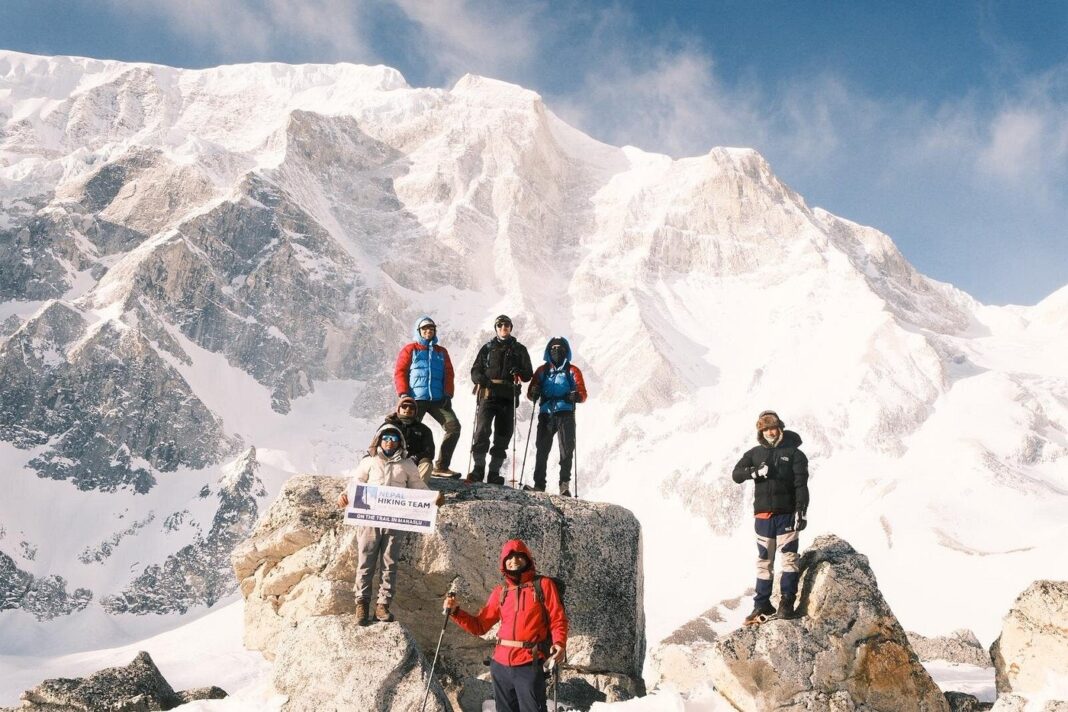

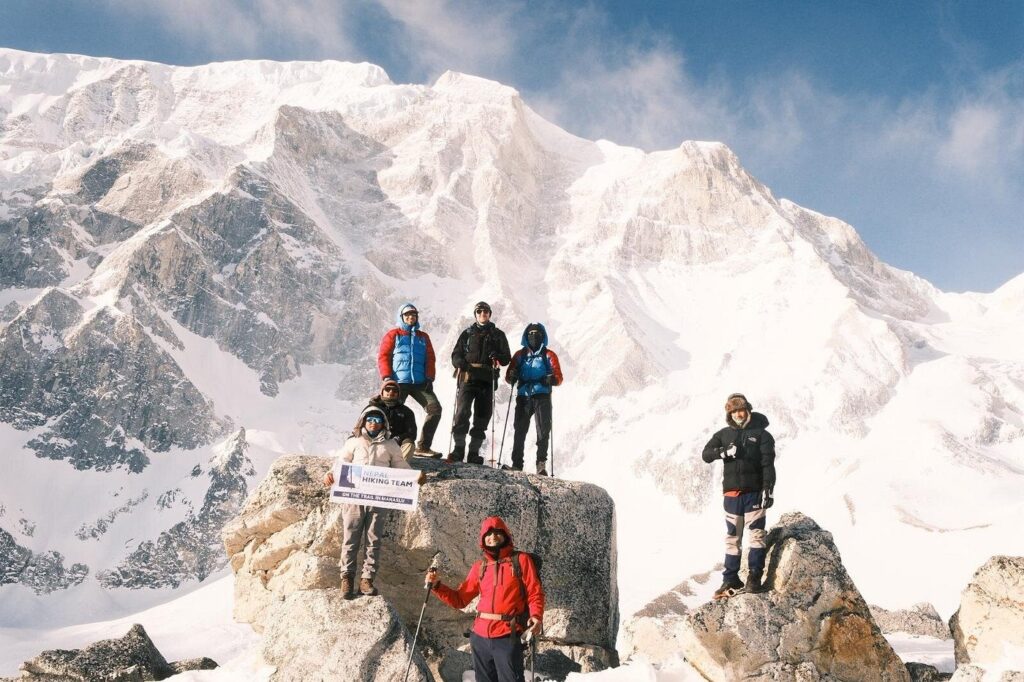
The Himalayas are often imagined through dramatic mountain photographs, icy passes, and demanding trails. Yet beyond the high peaks, some regions of Nepal still preserve a quieter rhythm of life shaped by monasteries, farming villages, and ancient trade routes. The Manaslu region is one of the few trekking areas where that atmosphere continues to feel deeply authentic.
Far from Nepal’s busiest trekking corridors, the Manaslu Circuit offers something increasingly rare in modern travel: silence, patience, and meaningful cultural connection. Prayer flags flutter above stone houses. Yak caravans move slowly along mountain trails. Monks chant inside centuries-old monasteries while villagers continue daily life much as they have for generations.
For travelers seeking more than a physical challenge, a private Manaslu Circuit Trek creates space to experience the Himalayas slowly and more personally.
Why the Manaslu Region Naturally Supports Slow Travel
Slow travel has become more important for many modern travelers. Instead of rushing through destinations, people increasingly want meaningful experiences connected to local culture, landscape, and daily life.
The Manaslu region naturally encourages this slower pace.
Road access remains limited in many sections of the trail. Villages are spread across deep valleys and high mountain terrain, while altitude gradually forces trekkers to slow their rhythm day by day. Internet access is still unreliable in several villages, creating fewer distractions and a stronger connection to the surroundings.
As walking becomes slower, small details begin to stand out. Children play beside mani walls carved with Buddhist prayers. Women dry corn outside traditional homes beneath snowy peaks. Elderly villagers carry firewood along steep stone trails while monks quietly spin prayer wheels near monasteries.
These moments often remain in memory longer than summit photographs.
A private trek supports this style of travel particularly well because daily schedules can remain flexible according to personal interests, energy levels, and local experiences encountered along the route.
How Private Trekking Changes the Experience
Group trekking works well for many travelers, especially those who enjoy social interaction. However, larger groups usually follow fixed schedules and shared pacing, which can sometimes limit flexibility in remote mountain regions.
Private trekking creates a more personal experience.
Trekkers can spend longer in villages like Samagaun or Samdo without feeling pressured by group timing. Guides can focus more closely on individual needs, interests, and acclimatization. If weather conditions change or altitude requires additional rest, the itinerary can adjust naturally.
This flexibility becomes especially valuable in the Himalayas, where mountain conditions often shape daily travel.
Many trekkers who choose a private Manaslu Circuit Trek say the greatest advantage is freedom. Some prefer shorter walking days. Others want additional photography time, monastery visits, or opportunities to interact with local families. A private arrangement allows the journey to evolve more organically rather than following a rigid schedule.
Cultural Life Along the Manaslu Trail
The Manaslu region lies close to the Tibetan border, and its culture remains strongly influenced by Tibetan Buddhism. This gives the trail a very different atmosphere from many other trekking regions in Nepal.
Villages such as Lho, Shyala, Samagaun, and Samdo contain ancient monasteries, prayer wheels, chortens, and long mani stone walls etched with sacred Buddhist mantras. Yaks remain central to daily mountain life, particularly in higher settlements where farming conditions become increasingly difficult.
One of the most rewarding aspects of slower trekking is how culture gradually reveals itself through ordinary daily moments.
Trekkers may hear early morning monastery chants drifting across cold valleys. Inside tea houses, families prepare butter tea beside yak-dung stoves while guides share stories about winter life in remote mountain villages. Monks repaint monastery walls, children walk to school along narrow trails, and villagers continue traditional farming practices shaped by generations of Himalayan life.
These experiences feel genuine because they are not performances created for tourism. They remain part of everyday life in the mountains.
Meaningful Local Interactions Develop Naturally
Communication in remote Himalayan villages does not always depend on perfect language. Even simple interactions often become lasting memories.
During private treks, guides usually have more flexibility to facilitate conversations with local communities. Trekkers may spend time inside family kitchens warmed by traditional stoves or stop for tea with villagers working in the fields.
In higher settlements, elderly residents sometimes share stories about historic trade routes connecting Nepal and Tibet. Children often become curious about visitors, especially in smaller villages where tourism remains limited compared to Everest or Annapurna.
These slower interactions create a stronger emotional connection with the region.
Large organized groups sometimes move quickly from one overnight stop to another. Private trekking allows travelers to absorb the atmosphere more deeply and engage with local life more naturally.
Many experienced trekkers planning remote Himalayan journeys often consult operators such as Nepal Hiking Team for logistical coordination, permits, and experienced local guides in restricted mountain regions.
Better Acclimatization and Safer Trekking
The Manaslu Circuit crosses the high-altitude Larkya La Pass, which rises above 5,100 meters. Because of this elevation, acclimatization becomes one of the most important aspects of the trek.
A slower pace is not only more enjoyable. It is also significantly safer.
Private trekking allows guides to adjust walking speed according to how trekkers physically respond to altitude. If someone develops symptoms such as headaches, unusual fatigue, or breathing discomfort, additional acclimatization time can be added more easily.
Some trekkers benefit from spending extra time in Samagaun before ascending higher. Others may prefer shorter walking days before crossing the pass itself. Smaller groups also allow guides to monitor trekkers more carefully and identify early altitude-related symptoms faster.
This flexibility creates a safer and more comfortable mountain experience overall.
The Unique Atmosphere of Manaslu’s Remote Villages
One reason the Manaslu Circuit still feels special is because much of the region remains relatively untouched by large-scale tourism development.
Although roads have reached some lower sections, many parts of the trail still retain a remote and peaceful atmosphere. Tea houses are simpler than those found on more commercial trekking routes, yet this simplicity often becomes part of the experience itself.
In villages like Namrung and Lho, mornings begin with smoke rising from kitchen fires beneath towering snow-covered peaks. Mule caravans move quietly along narrow trails while villagers continue daily work against a dramatic Himalayan backdrop.
Higher settlements feel even more isolated and striking. Samdo, surrounded by dry alpine landscapes and enormous mountains, offers a glimpse into the realities of life in one of Nepal’s remote border regions.
Travelers who spend additional time in these villages often develop a deeper appreciation for the resilience and adaptability required to live in the high Himalayas.
Fewer Crowds Create a More Reflective Journey
Many popular trekking routes in Nepal now become extremely busy during peak seasons. Tea houses fill quickly, trails become crowded, and the atmosphere can sometimes feel commercialized.
The Manaslu Circuit remains comparatively quieter.
Restricted-area permit regulations help control tourist numbers, allowing the trail to retain much of its original character. Long stretches of walking still feel peaceful, especially in upper valleys where rivers, glaciers, and mountain silence dominate the landscape.
This quietness changes the emotional atmosphere of the journey.
Trekkers often describe Manaslu as mentally calming because there is more space for reflection and connection with nature. Walking for hours without crowds allows the landscape itself to become more immersive and emotionally powerful.
Practical Considerations for a Private Manaslu Trek
The Manaslu region is classified as a restricted trekking area, meaning independent trekking without a licensed guide is not permitted. Organized logistics and permits are required before entering the region.
Permits and Regulations
Trekkers usually need several permits, including the Manaslu Restricted Area Permit, the Manaslu Conservation Area Permit, and the Annapurna Conservation Area Permit because the trail eventually exits into the Annapurna region.
Permit costs vary according to season, particularly during peak autumn months.
Guides and Porters
Experienced local guides play an essential role in remote regions like Manaslu. Trail conditions, landslides, changing weather, and altitude-related challenges require strong local knowledge and decision-making.
Porters also help reduce physical strain by carrying heavier equipment, allowing trekkers to conserve energy during long mountain days.
Accommodation Conditions
Tea houses along the Manaslu trail remain basic but welcoming. Rooms generally include twin beds and blankets, while food choices become more limited in higher villages.
Private trekking helps maintain flexibility because daily schedules can adapt according to weather conditions, tea house availability, or acclimatization needs.
Best Seasons for Cultural Trekking in Manaslu
Autumn Season
From September to November, the region usually experiences stable weather, excellent mountain visibility, and comfortable daytime temperatures at lower elevations. Villages also become lively after the monsoon farming season.
Autumn remains the most popular trekking period because trails are generally dry and views are exceptionally clear.
Spring Season
March to May brings blooming rhododendron forests in lower sections of the trail, along with gradually warming temperatures. Mountain views remain excellent, although afternoon clouds become more common later in the season.
Spring also offers a vibrant atmosphere as agricultural activities resume after winter.
Winter trekking is possible for experienced trekkers, though snow near Larkya La Pass can create additional challenges. During the monsoon season, landslides and slippery trails make travel more difficult.
A Journey That Feels Personally Transformative
One of the most meaningful aspects of slow trekking is how the experience gradually changes internally as well as physically.
Daily life becomes simple. Wake up early. Walk through mountain valleys. Drink tea beside a stove. Watch clouds move across snowy peaks. Sleep soon after sunset.
Modern distractions begin to disappear.
After several days in remote mountain environments, many trekkers notice a quieter mental rhythm. Small details become more meaningful: sunlight touching prayer flags at dawn, the sound of glacier-fed rivers during the evening, or the silence surrounding high Himalayan villages after dark.
Private trekking supports this emotional depth because the experience unfolds without constant outside pressure or rigid group schedules.
Respecting Local Culture and Mountain Environments
Responsible trekking remains extremely important in fragile Himalayan regions.
Travelers should respect monasteries, local customs, and village traditions throughout the journey. Asking permission before photographing local people is considered polite, while modest clothing is appreciated in conservative mountain communities.
Environmental responsibility also matters greatly. Carrying reusable water bottles and minimizing plastic waste helps protect fragile mountain ecosystems increasingly affected by tourism.
Supporting local tea houses, guides, and porters ensures tourism benefits remain connected to mountain communities themselves.
Slow travel often encourages this more thoughtful approach because travelers become more aware of the environment and communities surrounding them.
Final Thoughts
The Manaslu Circuit is far more than a mountain trek. It is a journey through remote Himalayan culture, ancient Buddhist traditions, isolated villages, and landscapes that still feel deeply connected to their history.
For travelers who value quieter experiences, flexible pacing, and meaningful local interaction, private trekking offers a far richer way to experience the region. It allows more time for cultural understanding, safer acclimatization, and stronger connections with both people and place.
The real beauty of Manaslu is not found only at high passes or famous viewpoints. Much of it exists in quieter moments between destinations: shared tea inside village kitchens, monastery chants during cold mornings, and long peaceful walks beneath immense Himalayan peaks.
That slower rhythm is exactly what makes the Manaslu journey unforgettable.