
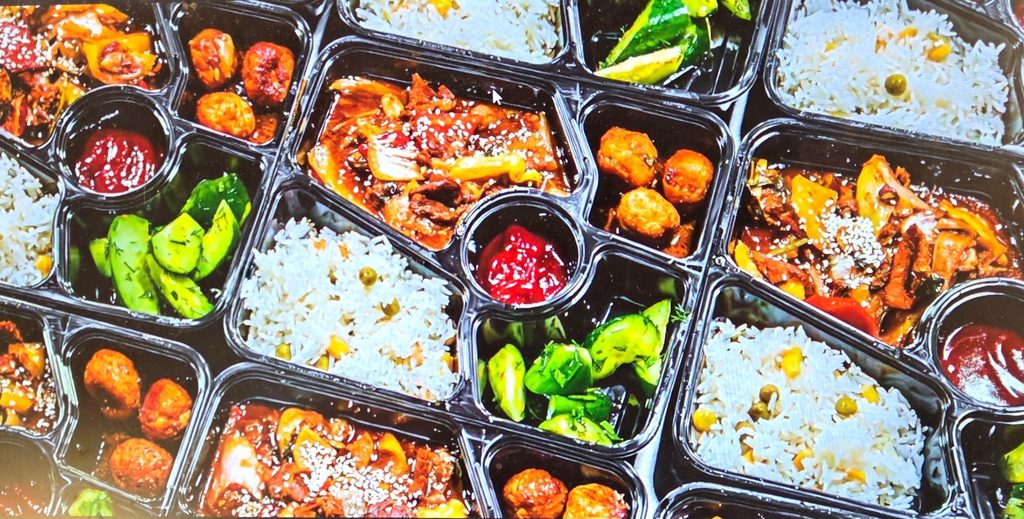
A meal kit box looks simple when it leaves the packing line. However, the trip it takes after that is anything but simple. It goes on a truck, gets dropped at a hub, gets picked up by another driver, and then sits wherever that driver decides to leave it. If nobody pays attention to what happens in each of those steps, the customers end up doing the checking, and they won’t be polite about what they find.
The Coolant You Pick Matters a Lot
In one test, 72 boxes from 12 different companies were checked when they arrived, and more than three out of four had at least one item that had warmed past 40°F. The coolant explained a big part of it. Only about 17 percent of the dry ice boxes had a warm item, while 93 percent of the gel pack boxes did, and the frozen proteins came through the best because they started with so much cold stored up.
Most brands stay with gel packs since they’re cheaper and far easier to handle than dry ice, and that’s a fair choice. The problem is that gel packs only have so much cooling in them, and every hour the box spends in a hub uses a little more of it up. A box that goes out on a Thursday and gets stuck over the weekend is already spending the cold it needed for the last day of the trip.
Not Everything in the Box Wants the Same Temperature
Here’s something that surprises a lot of people who pack these boxes. The chicken has to stay at 40°F or below, and the leafy greens are happiest when it’s even colder, somewhere around 32 to 36°F, but basil and tomatoes get chilling injury if they sit below about 50°F. That’s when the tomatoes go soft and the basil loses most of its smell.
So the same cold that protects the chicken can hurt the basil if the two are packed side by side. The simple answer is to keep them apart, with the meat close to the coolant and the sensitive produce on the other side of a piece of cardboard so the gel pack never touches it. You can have a perfect temperature reading for the whole box and still find bad basil in the corner.
What Happens on the Porch
Once the driver leaves, you don’t control much of anything anymore, but the porch is still where plenty of boxes fail. Food safety guidance says perishable food should be in the refrigerator within two hours of arriving, and within one hour if the air is above 90°F. Bacteria can double in as little as 20 minutes in that range, so a box that sits in the sun from nine in the morning until noon has most likely used up its safe time before anyone gets home.
- You can’t change the weather, but you can cut down on the waiting, and these steps help:
- Offer delivery windows, and send a text when the driver is close.
- Ask customers to name a safe spot, or a neighbor who can take the box inside.
- Avoid shipping to offices unless the box will arrive on a workday and there’s a fridge to put it in.
- Print the 40°F rule on the lid so people know what to check.
A cold chain meal kit shipping provider can also schedule the dispatch so that boxes land early in the delivery window, which means less time sitting outside in the heat.
Why a Single Reading Doesn’t Tell You Much
A lot of people check a delivered box with a thermometer right at the door, and that only tells them about one moment. It says nothing about what happened before the box got there. The chicken could have been sitting at 50°F for ten minutes or for four hours, and the risk is completely different depending on which one it was.
A logger inside the box records the whole trip, so you don’t have to guess. If your cold chain meal kit shipping provider logs every shipment, you can look at the temperature curve and see whether the trouble began in the pack-out or somewhere out on the road.
Start by looking at the worst ten percent of your boxes. They usually have something in common, like a certain lane or a certain day of the week. Once you find it, change one thing at a time and compare the next batch with the last one.