Romance and terror might seem like strange bedfellows, but when blended skillfully, these two genres can produce stories that are deeply compelling and psychologically rich. The fusion of affection and fear taps into our most primal instincts – desire, vulnerability, and survival. Whether it’s a ghost clinging to a past love or a twisted obsession that morphs into madness, love-horror films grip audiences with both emotional intimacy and visceral shock. For a more unconventional thrill, parimatch offers experiences just as unpredictable as these films, with games like balloon online game delivering suspense and excitement in a unique format.
Why the Love-Horror Combination Works So Well
Love and horror have one essential thing in common: both provoke powerful emotional responses. While love makes the heart race with joy, horror does the same through fear. When these sensations are blended, the result is an intense viewing experience that keeps audiences emotionally engaged and psychologically off-balance.
Some viewers are drawn to stories that explore the fragility of trust and the darkness that can lurk behind affectionate gestures. Others appreciate how these narratives question the boundaries of sacrifice, obsession, and devotion. What would you do for love? Would you run into danger? Would you cross moral lines? These movies answer those questions in haunting and often unforgettable ways.
Classic Examples That Defined the Genre
Some films have become icons by walking the tightrope between love and terror. These entries not only set benchmarks but also redefined genre conventions.
Let the Right One In (2008)
This Swedish masterpiece tells the story of a lonely boy who befriends a mysterious neighbor with a chilling secret. More than just a vampire tale, it explores childhood loneliness, the need for connection, and the moral cost of devotion. The emotional undertone is just as strong as the supernatural element, making it a standout example of horror-romance done right.
Warm Bodies (2013)
A rare case of a zombie movie with heart – literally. This film follows an undead protagonist who begins to regain his humanity after falling for a living girl. It’s surprisingly tender, comedic at times, yet still rooted in the horror of a post-apocalyptic world.
Crimson Peak (2015)
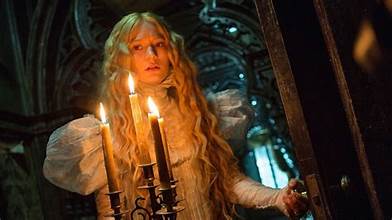
Directed by Guillermo del Toro, this Gothic tale mixes ghostly warnings with Victorian passion. Set in a decaying mansion riddled with secrets, it blends haunting visuals with a storyline that’s rich in mystery and seduction.
Common Tropes and Why They’re So Effective
Love-horror movies often play with recurring motifs that tap into psychological fears and emotional complexity. These tropes work not because they’re predictable, but because they resonate.
- Star-crossed lovers: These couples are often doomed from the start. The conflict between their desire to be together and external or supernatural forces keeping them apart is a driving tension.
- Obsessive affection: Sometimes love crosses into possession. This distortion creates a chilling portrait of what happens when admiration becomes fixation.
- Supernatural bonds: Ghosts, vampires, or demons are often tethered to the living through unresolved love or loss, adding emotional weight to their haunting.
Each trope helps illuminate the emotional layers beneath the horror, making the narrative more impactful and memorable.
The Psychological Impact on Viewers
Combining love and horror affects audiences on a deeper level than either genre can on its own. Romantic elements create emotional investment, making the horror feel more personal. Fear, in turn, makes the romance more urgent, heightening the stakes of every kiss, confession, or betrayal.
Heightened Suspense Through Emotional Stakes
When we care about the relationship at the center of a story, every threat feels more intense. We don’t just fear for the characters’ physical safety – we fear for their emotional wellbeing, their ability to hold onto love in the face of darkness.
Catharsis and Complexity
These films allow us to explore the darker sides of love without real-world consequences. They ask us to consider how deep emotional attachment can turn deadly, and how horror can reveal our deepest desires and worst fears in one twisted mirror.
Modern Twists and Emerging Trends
As storytelling evolves, filmmakers continue to find fresh ways to explore the intersection of love and horror. Many recent films are pushing boundaries with diverse characters, unconventional relationships, and narratives that subvert expectations.
LGBTQ+ Representation
Films like Thelma (2017) and Bit (2019) bring queer relationships into the genre, adding layers of social commentary and personal struggle to the mix. These stories show how horror can be a vehicle for exploring identity and acceptance alongside romantic and supernatural conflict.
Technological Love Gone Wrong
Newer films have begun exploring digital-age dangers like dating apps, AI relationships, and surveillance. Stories like Cam (2018) and Tau (2018) reflect modern anxieties about intimacy in an increasingly virtual world.
Final Thoughts: When Love Hurts and Haunts
The union of romance and horror isn’t just a novelty – it’s a powerful storytelling tool. By intertwining our most intimate emotions with our deepest fears, these films captivate, disturb, and linger long after the credits roll. Whether you’re drawn to tortured vampires, ghostly lovers, or twisted obsessions, love-horror hybrids continue to evolve and surprise, proving that in storytelling, no genre pairing is ever truly forbidden.
For those looking to experience a different kind of thrill, where unpredictability meets adrenaline, platforms like this website offer an engaging escape that mirrors the suspense of these unforgettable films.
.