
Photo from Magnific.com
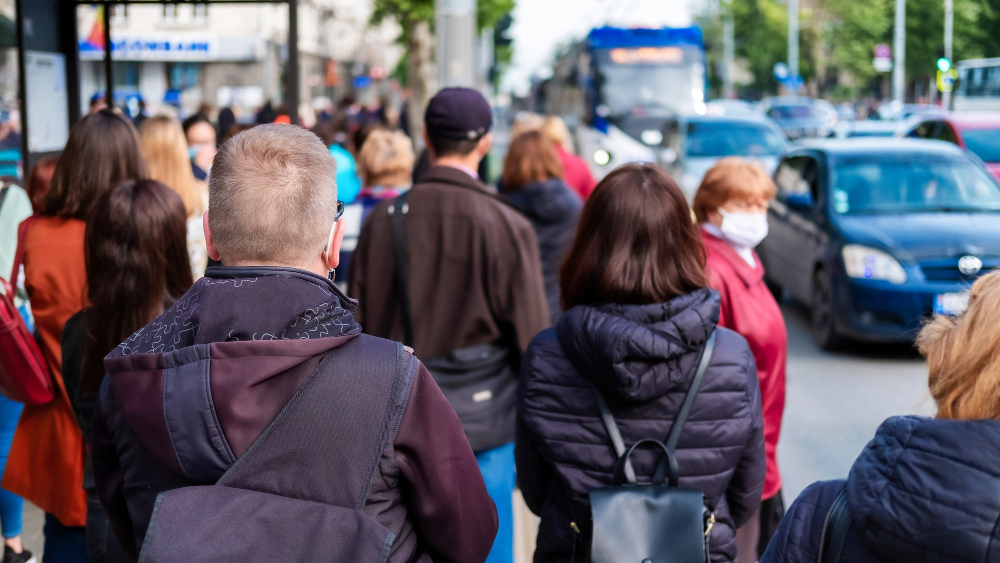
New York City barely goes a weekend without a crowd somewhere. Street fairs shutting down twenty blocks in the summer. Parades along Eastern Parkway. Sold-out nights at Barclays and Yankee Stadium. Festivals on Randall’s Island, rooftop parties, block parties, and every December a wave of bar crawls that turns whole neighborhoods into one loud room.
Most of it goes fine. But put fifteen thousand people in one place, add heat and alcohol and a bottleneck at the exit, and a certain number of people are going to get hurt by other people.
That’s a specific kind of case. If you’re injured at a public event in New York City because of another attendee — someone throws a punch, someone drunk falls into you on a staircase, a bottle comes down from an upper level — the first instinct is to write it off. The guy who did it is gone. Nobody knows his name. Case closed.
Except the person who hit you often isn’t the only one with responsibility here.
Why the Venue Can Share Blame for Another Person’s Actions
Running an event isn’t only about the show. It’s also about managing a crowd, and that’s a job with recognized expectations attached to it.
The question that usually matters isn’t “who swung first.” It’s whether the people running things did a reasonable job of preventing a foreseeable problem. Foreseeable is the key word. A fight breaking out at a rowdy late-night event isn’t a freak occurrence — it’s exactly what security exists for.
Things that come under scrutiny:
- How many security staff were actually working, versus how many were planned
- Whether staff were trained or were essentially temp hires in matching shirts
- Whether prior incidents at that venue or event had already flagged the risk
- How long trouble had been visibly building before anyone stepped in
- Whether capacity limits were respected
How Alcohol Sales Shift Responsibility Onto the Seller
A lot of these injuries trace back to someone who was served long past the point of being obviously drunk.
New York has laws that can place responsibility on a business for serving alcohol to a person who was already visibly intoxicated, if that person then causes harm. That’s a real avenue, and it applies to vendors and bars at events, not just standalone establishments.
Practically, it means the following details matter more than people realize:
- Where the person was drinking and who was serving them
- Whether drinks were being sold without any real oversight
- Whether staff had already noticed the person and done nothing
- Receipts, tabs, or wristband systems that track sales
Getting a Name Is the Hard Part, Not the Whole Part
Yes, it helps enormously to identify the person who hurt you. Police involvement, an incident report, a name in a security log — all valuable.
But a claim against a venue or organizer doesn’t collapse just because that individual was never identified. The question there is about how the event was run, not about tracking down one stranger in a crowd.
What to Document in the First Hour After It Happens
The window here is short, and the scene disappears fast.
- Ask event staff to file an incident report, and get the name of who took it
- If police respond, make sure your version is actually recorded
- Photograph your injuries that night, and again over the next few days
- Note the exact location: section, gate, bar, vendor stall
- Get contact info from anyone who saw it, even one person
Why You Should See a Doctor Even If You Feel Fine
Injuries from being struck or knocked down don’t always announce themselves. Head impacts especially. People go home, sleep it off, and only later notice they’re dizzy or can’t concentrate.
Beyond your health, an early medical record connects the injury to that night. Without it, the timeline becomes something to argue about.
To Sum Up
The reason these claims get abandoned is emotional, not legal. It feels random. It feels like bad luck in a crowd, and blaming an organization for a stranger’s behavior feels like a stretch.
But large events are planned, staffed, insured, and budgeted with exactly these risks in mind. Somebody decided how many security guards to hire. Somebody decided how many people to let in and how the alcohol would be handled.
Those were choices, not accidents. Whether they were reasonable ones is a fair question to ask — and it’s a question worth asking before the deadlines quietly run out on it.