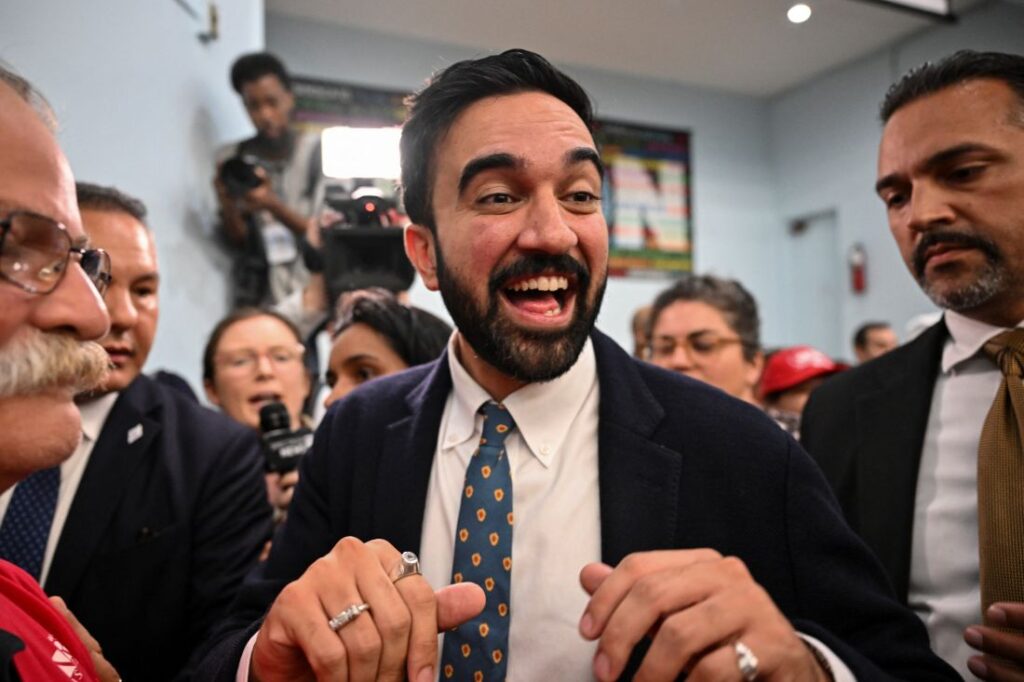
Zohran Mamdani’s climbing odds have transformed political betting into a live experiment in risk and reward. In this article, I unpack the mechanics behind his surge and what it reveals about crowd-sourced markets and casino-style wagering.
I first noticed the jump when Zohran Mamdani briefly overtook Andrew Cuomo in two major prediction markets just before the Democratic primary, turning what had been niche platforms into headline-makers. As someone who’s followed both traditional casino games and emerging political markets, I saw a clear parallel: the same factors that drive a spike in crash-style games can send candidate probabilities soaring overnight.
A sudden shift in market sentiment
Just a week before the June 24 primary, something remarkable happened. Polymarket and Kalshi odds for Mamdani leapt from underdog status into frontrunner territory. Traders who had been hedging on policy announcements or debate performances suddenly scrambled to back the Queens assemblyman. I even took advantage of a Betting Voucher to explore the markets myself, placing modest positions as his support ticked up. The result was an explosion of volume (millions of dollars changing hands in hours) and a reminder that political betting can be as dynamic as any high-stakes table game.
Polymarket vs. Kalshi: how platforms respond
Polymarket, the decentralized crypto-based market and Kalshi, the CFTC-regulated exchange, both reflect real-time opinion, but they handle volatility differently. On Polymarket, traders buy binary “Yes/No” tokens, so a swing from 30% to 60% odds means a quick 100% gain if you’re on the right side. Kalshi operates more like an options exchange, with contract sizes and tick values that resemble futures. I found that while Polymarket’s interface feels closer to a sportsbook, Kalshi requires a bit more capital and offers narrower spreads. Yet both platforms showed a sudden liquidity surge as Mamdani surges in betting market, underscoring how a single poll or endorsement can reshape crowd expectations almost instantly.
The role of data in political wagering
Market moves rarely happen in a vacuum. In Mamdani’s case, an Emerson College poll showing him neck-and-neck with Cuomo triggered the initial wave. From there, every news flash (whether it was media endorsements or policy clarifications) fed into trading algorithms and human decisions alike. I tracked the odds alongside page-view spikes on campaign websites and social media mentions; they rose (and fell) in near-lockstep. This mirrors how sportsbooks adjust lines on live sports: as soon as a key player goes down, the numbers shift. Political bettors learn quickly to watch both traditional media and fringe forums for that next piece of intel.
Drawing parallels with Aviator crash games
The patterns reminded me of Aviator crash games: you see the multiplier climb, you wrestle with greed vs. fear and you must decide when to cash out. In politics, that “cash-out” moment might be staking everything on a final polling update or hedging with opposite bets. Casual casino players understand that temperament can make or break you, hoping the multiplier reaches 3x is fine until it crashes at 2.8x and you lose it all. Likewise, traders who chased Mamdani’s peak without exit rules saw their positions evaporate when traditional polls regained ground. It’s a visceral lesson in risk management that both casino enthusiasts and election bettors can appreciate.
Implications for enthusiasts and industry
Zohran Mamdani’s betting surge isn’t just a footnote in New York City politics… It’s a case study in how crowd-sourced prediction markets operate under pressure. For seasoned gamblers, it’s validation that political odds can rival casino odds in speed and excitement. For newcomers, it’s a cautionary tale: volatility can work for you or against you in moments.
Meanwhile, regulators and exchanges are taking note. Discussions about transparency, market-making obligations and consumer protections have intensified. Platforms may soon adopt features like built-in stop-loss orders or real-time alerts, tools borrowed from both trading desks and casino tech. And as more states consider formal rules around political betting, the line between classified gambling and financial speculation will blur even further.
Whether you see yourself as a bettor, a trader, or simply an intrigued observer, Mamdani’s meteoric odds climb offers a glimpse into a rapidly evolving landscape. From token-based markets to crash-style games, the principles of supply, demand and human psychology remain unchanged. As these markets mature, the lessons from one arena will continue to inform the other and for those of us paying attention, that’s the real story unfolding today.
Both veterans and newcomers have turned to mobile platforms with built-in budgeting features, real-time odds trackers and peer-to-peer pools to fine-tune their wagers. It highlights survey data showing the growing appeal of live-betting dashboards and details collaborations between gaming halls and tech firms to deliver timely alerts and responsible-play reminders.
Technology continues to reshape the gambling experience in real time. Staying informed is the best way to keep pace with where it’s headed next.