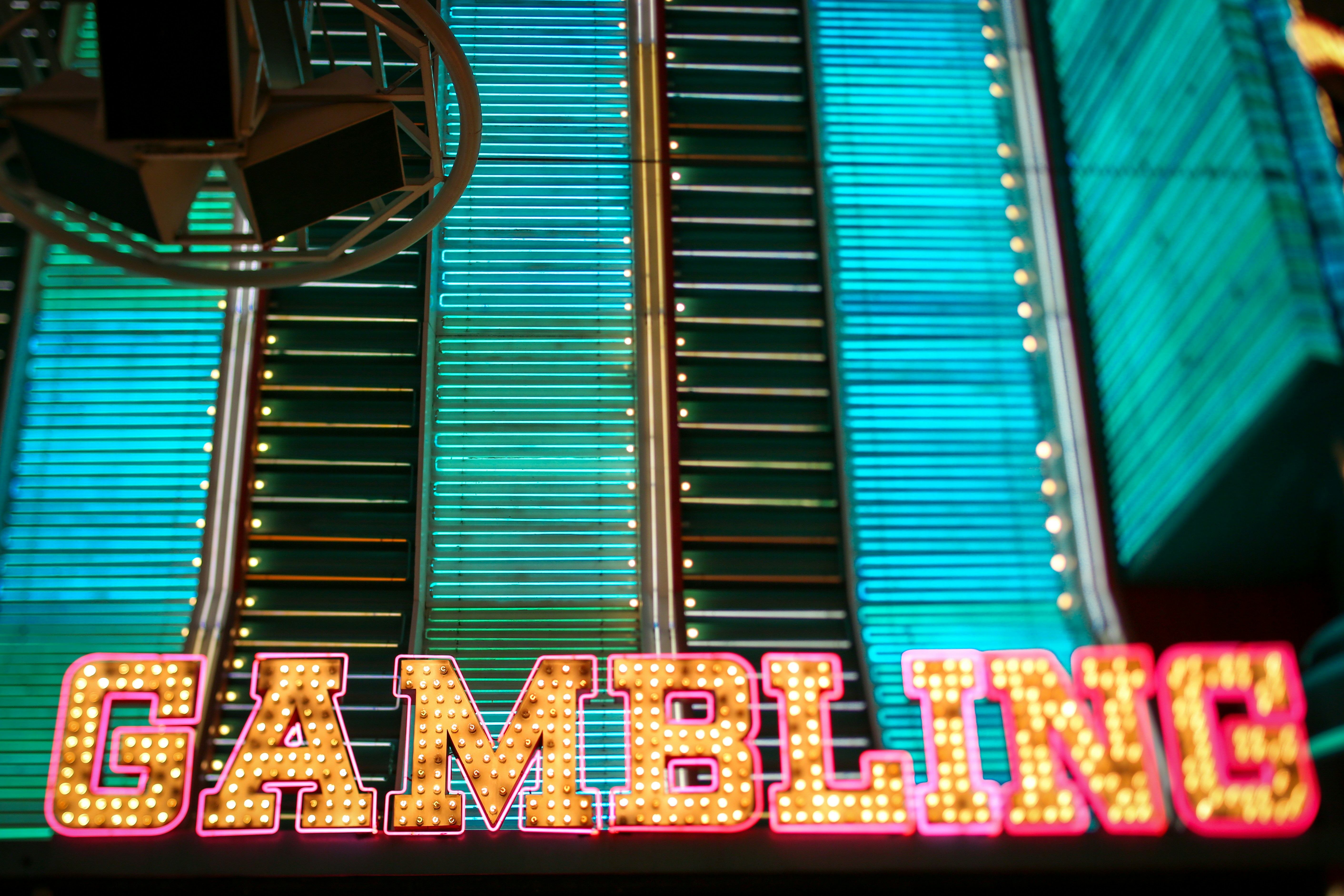
Legal gambling has moved far beyond the old image of distant casino resorts. Across the United States it now ties directly into local economies, tax revenue, and digital entertainment. Cities like Yonkers sit right in the middle of that story as new investment and online platforms reshape the gambling landscape.
You no longer need to fly to Las Vegas to see how gambling affects a city. The industry now sits inside local economies across the United States. Stadiums carry sportsbook branding. Mobile apps let people place bets from their couch. State governments collect large tax payments from gaming operators.
Yonkers already knows this world well. Empire City Casino at Yonkers Raceway has operated for years and feeds money into New York’s education budget. Now the industry around it is growing again. National gambling revenue keeps rising. Online platforms keep attracting new users. That growth links local communities to a much larger national business that continues to expand.
The Scale of the Modern U.S. Gambling Industry
Legal gambling now runs on a scale that would have sounded impossible twenty years ago. Commercial gaming revenue in the United States reached $72.04 billion in 2024, a new record for the industry. State and local governments collected $15.66 billion in direct gaming taxes during the same year. That money helps fund schools, infrastructure projects, and public services across the country.
The industry also keeps spreading geographically. Twenty-eight states reported record commercial gaming revenue in 2024. Legal sports betting now operates in 38 states and Washington D.C. Mobile betting apps play a major role in that growth. A bettor no longer needs to stand inside a casino to participate.
For local communities this scale changes the conversation. Gambling stops being a distant entertainment business and becomes part of everyday economic life. Revenue flows through state budgets. Jobs appear in casinos, hotels, and service companies connected to gaming properties.
The numbers show how large the sector has become across the country.
Empire City Casino and the Next Phase for Yonkers
Yonkers already sits inside this national gambling story. Empire City Casino at Yonkers Raceway has operated since 2006 and has produced more than $5 billion for New York State education funding during that time. That steady stream of revenue shows why local governments pay close attention to the industry.
Now a new chapter may arrive. MGM Resorts has submitted plans to redevelop the property with a $2.3 billion investment. The proposal would transform the existing racino into a full casino resort with table games, expanded entertainment space, and new visitor facilities.
Construction and operation would support thousands of jobs. Hotels, restaurants, and service businesses around the casino could see more traffic. That type of investment does not stay inside the casino walls. It spreads across the surrounding community.
The redevelopment proposal outlines the scale of the project and its potential impact on the area.
Digital Gambling and the Rise of Online Platforms
Physical casinos still attract visitors, yet a large part of gambling now happens online. Mobile sports betting apps allow wagers from home. Digital casino platforms offer slot games and table games through websites and phone apps. The technology behind gambling has changed quickly during the past decade.
That growth creates confusion for players. Licensing rules differ from one state to another. Game libraries look different depending on the platform. Payment systems also vary depending on where the operator holds a license. A new user often spends time researching platforms before placing a real wager.
Many players start that process by reading independent guides that explain which operators are licensed in the United States and what each platform offers. One widely used reference site that compares U.S. casino platforms and explains their features is casino.org, where players can browse licensed operators, read platform reviews, and see side-by-side comparisons of games, bonuses, and payment options.
Online platforms now sit alongside physical casinos as a major part of the gambling industry.
Gambling Inside the Wider Local Economy
Gambling rarely exists on its own inside a community. It sits next to other regulated industries and entertainment spaces that shape local life. Cities adjust as new businesses open, new rules appear, and consumer habits change.
Westchester County has already experienced similar transitions in other regulated markets. The legal cannabis industry offers a recent example of how legislation and retail models can reshape local commerce.
Community life continues to evolve around these changes. Local initiatives focused on culture and wellness also play a role in shaping the city’s identity and social activity.
Gambling therefore becomes one piece of a broader economic picture rather than the entire story.
What the Future of Legal Gambling Means for Cities Like Yonkers
Legal gambling has moved from the edges of American entertainment into the center of local economic life. National revenue continues to climb. Cities see new investment and tax income. Yonkers already participates through Empire City Casino and may soon face a major redevelopment project.
The industry now stretches from casino floors to mobile apps. Local communities feel the effects.