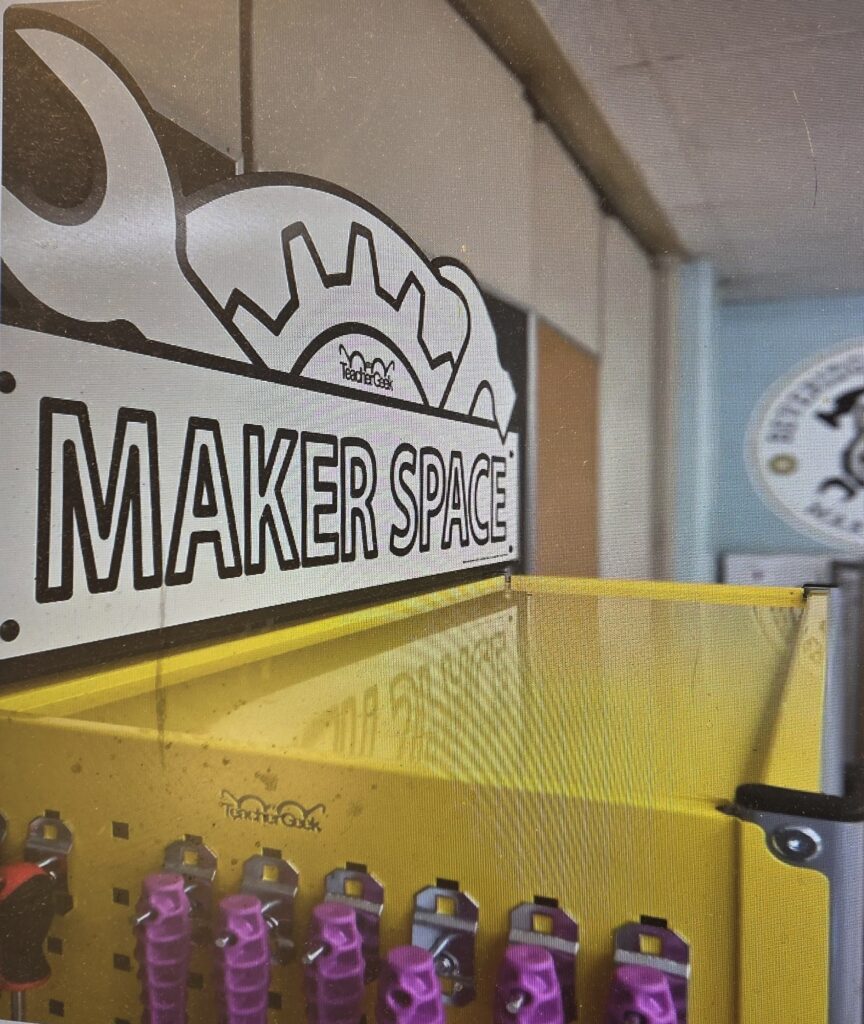
Learning environments are finding new and innovative ways, in the current world, to spark curiosity and creativity in those who walk through their doors. One response to this shift is makerspaces. They include tangible experiences that promote skills that the traditional classroom is not always designed around. The use of virtual reality in education is growing, and for good reason.
Defining a Makerspace
Being a relatively newer concept in the field of education, most people are still unaware and ask desperately, What is a makerspace? Here is a detailed answer to the newest phenomenon of education.
A makerspace is a space where people come together to create, invent, and explore, using a variety of materials and tools. They commonly consist of supplies such as electronics, supplies for crafts and woodworking, and digital equipment. Instead of just focusing on theory, it emphasizes experiential learning and encourages participants to build things and solve problems.
- Encouraging Active Participation
Makerspaces actively engage instead of passively learning. This is where students combine their hands and minds, learning new skills while working on projects hands-on. It piques curiosity, encourages persistence, and makes learning stick for both teacher and learner.
- Fostering Creativity and Innovation
Children are given the freedom to explore ideas without worrying about failure, as this environment is designed to be a makerspace. They can experiment, fail, and iterate their way through their project. The environment incites them to think creatively and tackle situations in unique ways, which prepares them for problem-solving later down the line.
- Supporting Collaboration and Communication
Collaboration is an essential part of the makerspace experience. For example, learners frequently exchange concepts, tools, and suggestions while developing their projects. This sense of collaboration enhances communication skills and makes participants appreciate varied points of view, both of which are important for future success.
- Connecting Theory to Practice
There is often a gap between theory and practice in traditional education. This problem is where makerspaces come in and enable students to use scientific, mathematical, engineering, and art principles in meaningful ways. For example, constructing a robot helps put theoretical knowledge into practice and enhances understanding.
- Developing Critical Life Skills
When students create projects in a makerspace, they learn to be more patient and resourceful. All the successes and failures provide important lessons regarding perseverance and flexibility. These experiences prepare young people for the challenges that come with life after school.
- Supporting All Learners
Makerspaces are friendly for different types of learning and ability levels. If you are a visual learner, you can see the formation of your thoughts. Kinesthetic learning relies on more hands-on tasks. Many individuals who may struggle in traditional academic settings often thrive in experiential activities, discovering newfound confidence in their abilities.
- Encouraging Lifelong Learning
The significance of the curiosity that a makerspace often inspires goes beyond the confines of the classroom. They inspire students to continue exploring and learning for the rest of their lives, all by fostering a sense of wonder. This passion for learning helps them to perform better in other subjects as well.
- Preparing for the Future
Makerspace skills, such as critical thinking, creativity, and teamwork, are skills that will always be in high demand in the modern world. Many careers now need the ability to adapt, problem-solve, and work well with others in the workplace. Students can gain the necessary experience and build their confidence to tackle future challenges.
- Building Community Connections
Makerspaces also tend to engage the community at large by bringing in parents and local experts, as well as volunteers who can contribute and share their knowledge. This connects people and creates strong bonds between schools and the community, where everyone has a role to play and can learn from one another.
Conclusion
Makerspaces are changing the way students interact with their lessons; they emphasize hands-on learning, creativity, and collaboration. They can help bridge the gap between theory and practice and make knowledge easier to digest and learn. With more and more educational institutions adopting these types of spaces, we are readying learners for success now and in the future, inside and beyond the four walls of the classroom. Makerspaces extend far beyond the projects they create within their walls; they create capable, flexible, and inquisitive people prepared for the future.