Plumbing is easy to ignore when it works and impossible to ignore when it fails. Reliability is not luck or guesswork. It is a mix of good design, smart habits, timely repairs, and realistic expectations about how water behaves in a closed system.
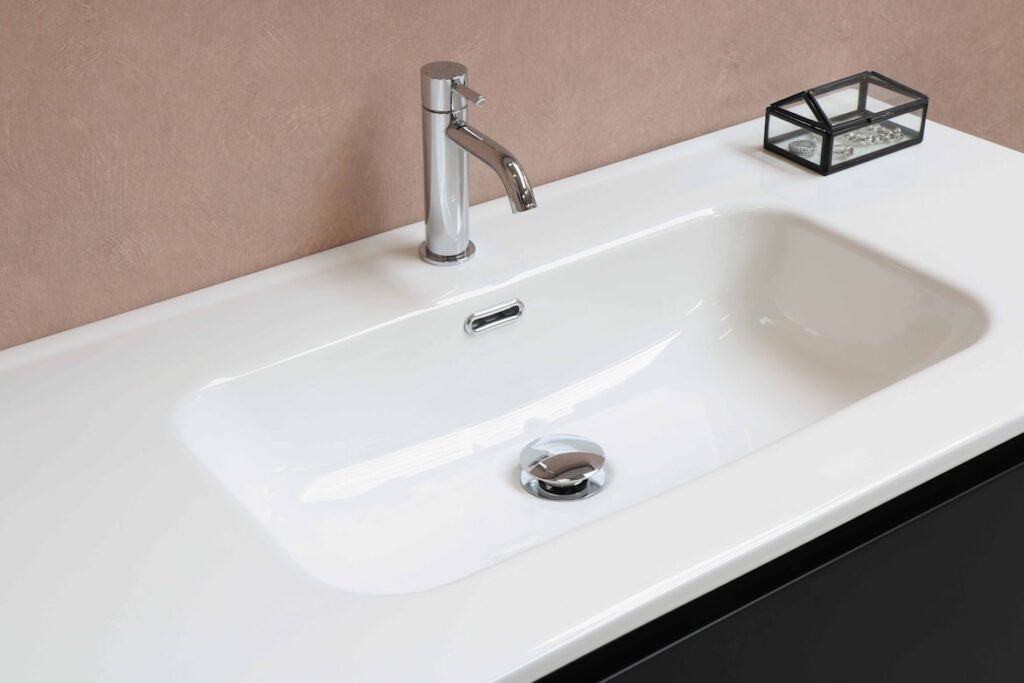
Photo from Unsplash.com
What Reliability Really Means
Reliable plumbing does the same thing day after day with no surprises. It moves clean water in, carries waste out, and keeps pressure, temperature, and flow within safe ranges. Think of it like a quiet teammate that never hogs attention yet always shows up.
Reliability is also about risk management. Pipes age, seals dry out, and valves stick. You limit problems by knowing where the weak spots are, testing them, and fixing small issues before they become big ones.
Common Weak Links In Home Plumbing
Most failures start small. A slow drip under a sink, a sweating cold line in summer, or a toilet that runs after every flush can be early warnings. Many homeowners schedule residential plumbing services at this stage, before damage spreads. Staying proactive protects floors, cabinets, drywall, and budgets.
Moisture invites mold, and hidden leaks can rot framing. If you see stained ceilings or feel soft spots near tubs, investigate right away. A few minutes with a flashlight often saves hours with a shop vac later.
Water Pressure And Pipe Stress
High water pressure feels great in the shower, but it is tough on pipes and fixtures. Excess pressure pushes past seals, shortens the life of supply lines, and can pop weak joints. A $10 pressure gauge on an outdoor spigot tells you the truth in seconds.
If your reading sits too high, a pressure-reducing valve may be the fix. Many homes already have one near the main shutoff. Set it correctly, and you lower wear on everything downstream while maintaining smooth flow.
Leak Detection And Smart Monitoring
Small leaks waste more than you think. A federal water program has pointed out that everyday household leaks add up to massive losses across the country, which shows how quickly drips add up when nobody is watching. Simple steps like checking your water meter when no fixtures are running can expose silent leaks.
Smart leak sensors add another layer. Some devices listen for unusual flow patterns and shut the water off before a floor floods. Even low tech helps. Catch pans under water heaters and braided steel supply lines on toilets and faucets cut risk in simple ways.
Materials, Age, And Maintenance Cycles
Different materials age differently. Copper can pit if the water chemistry is rough. Older galvanized pipes clog as minerals build up. Rubber supply lines harden and crack over time, especially near heat sources. Create a map of what you have and when it was installed.
A light maintenance rhythm keeps things steady:
- Test GFCI outlets near pumps and disposals each month
- Inspect visible supply lines and valves each season
- Flush water heaters yearly to reduce sediment
- Replace toilet flappers and fill valves every few years
- Label every shutoff so anyone in the home can act fast
Professional Workmanship And Codes
Good work shows in straight runs, clean solder joints, supported lines, and accessible shutoffs. It also shows in permits and inspections. Codes exist to protect health and property, and they evolve as best practices improve.
One topic that matters is pressure control at fixtures and across the system. Where pressure is excessive, code-compliant solutions relieve stress and extend component life. Ask for documentation when work is done so you know the system matches current standards.
Efficiency, Bills, And Reliable Performance
Waste and surprise repairs hit the wallet. A well-known home renovation publication has noted that fixing common household leaks and updating aging plumbing can trim around 10 percent from water bills, which is money you can put toward planned upgrades instead of emergency fixes. Efficiency also shows up in comfort. Stable temperature, quiet pipes, and steady pressure make daily routines easier.
Keep an eye on usage after repairs. If your bill stays high, something is off. Look for irrigation issues, running toilets, or a malfunctioning water softener that keeps cycling.
Planning For Emergencies And Costs
Every home should have a simple plan for water problems. Know where the main shutoff is, and make sure the valve turns freely. Keep towels, a bucket, and a basic wrench kit in one place. A laminated cheat sheet by the panel or utility sink helps anyone react fast.
Budgeting also matters. Set aside a small yearly fund for replacements that will eventually come due. When the time arrives for a new water heater or supply line rebuild, you can decide calmly rather than rushing under pressure.
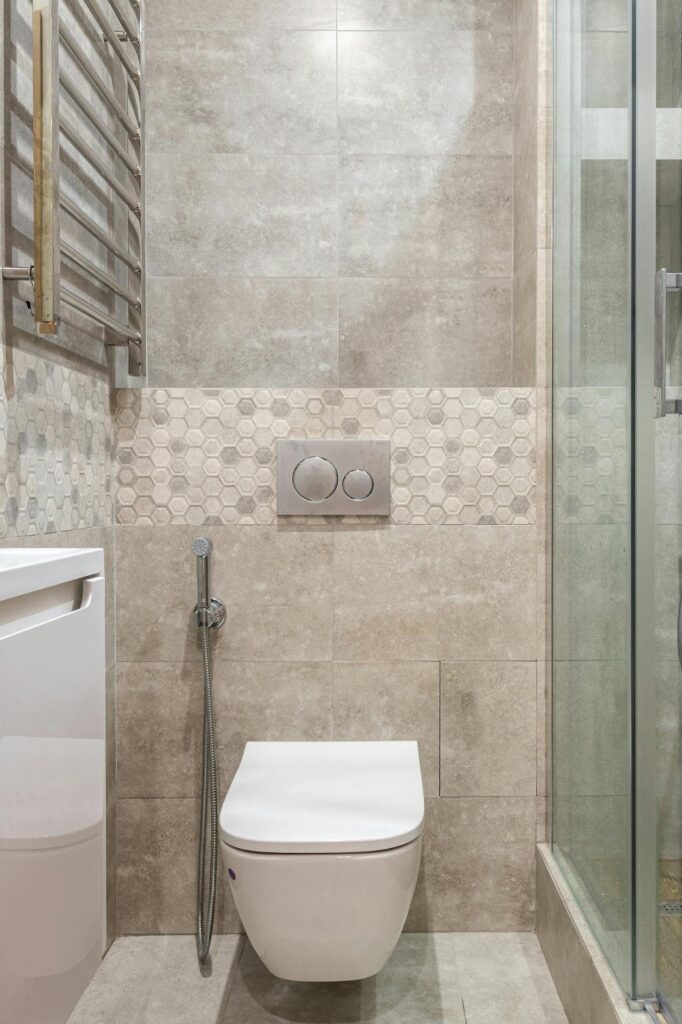
Photo from Unsplash.com
A reliable plumbing system is not flashy. It is a quiet set of choices that stack up over time. Build good habits, schedule small fixes, and stay curious about how water moves in your house. With a little attention, your system can deliver steady comfort for years without stealing the spotlight.