
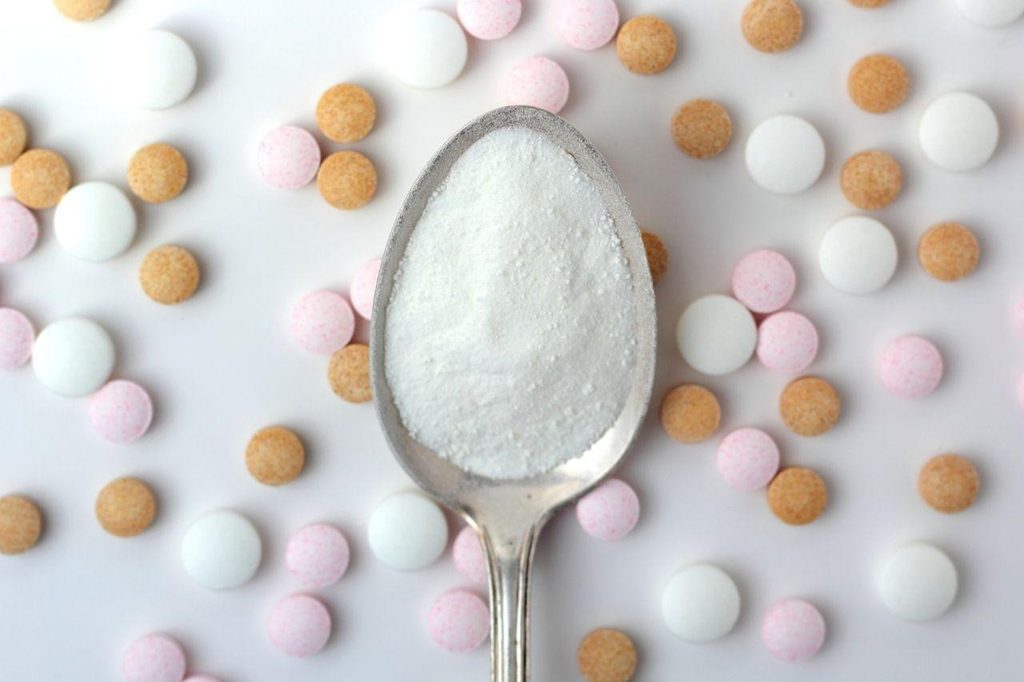
Inositol is a naturally occurring compound involved in cell signaling, insulin pathways, and several processes connected with metabolic and reproductive health. When taken every day as a supplement, it provides a consistent intake of inositol beyond what the body produces and what you obtain from food.
What you actually notice depends on why you are taking it, the form and amount used, and your individual health profile. Research has focused particularly on myo-inositol and D-chiro-inositol in people with polycystic ovary syndrome (PCOS), insulin-related concerns, and reproductive health goals. Daily use is not an instant transformation; when benefits occur, they are generally evaluated over weeks or months.
First, What Exactly Is Inositol?
Inositol is sometimes casually called vitamin B8, but it is not technically a vitamin because the human body can make it. It is a sugar-like compound found naturally in the body and in foods such as fruits, beans, nuts, seeds, and whole grains.
There are several forms of inositol. Myo-inositol (MI) is the most abundant form in the body, while D-chiro-inositol (DCI) is another form commonly found in supplements. The body can convert myo-inositol into D-chiro-inositol, and both participate in cellular signaling.
Daily Inositol May Support Insulin Signaling
One of the main reasons inositol receives so much attention is its relationship with insulin signaling. Insulin helps cells respond to glucose in the bloodstream, and inositol-containing signaling molecules participate in this process.
Clinical research has explored daily inositol supplementation particularly among people with PCOS, a condition in which insulin resistance is common. Some studies have reported improvements in measures related to insulin and glucose metabolism. Results vary, so inositol is best viewed as a potential supportive tool rather than a replacement for established medical care, balanced nutrition, regular movement, or prescribed treatment.
You May Notice Changes in Menstrual Regularity
For people with PCOS, one of the most frequently discussed reasons for taking inositol every day is menstrual and ovulatory health. PCOS can interfere with regular ovulation, which can make menstrual cycles unpredictable.
Research suggests that inositol may support certain reproductive and metabolic processes in some people with PCOS. Improvements, when they occur, generally require consistent use rather than occasional supplementation. Because PCOS varies considerably from person to person, the experience is not identical for everyone.
It May Support Ovulatory and Reproductive Health
Inositol has also been studied in relation to ovulation and fertility, particularly in people with PCOS. This interest is closely connected with its possible effects on insulin signaling and ovarian function.
Some research has found encouraging changes in ovulatory or reproductive markers, although evidence for major outcomes such as pregnancy and live birth is less certain. Anyone taking inositol specifically while trying to conceive should consider discussing the plan with an OB-GYN or another qualified healthcare professional.
Daily Use Is About Consistency, Not an Overnight Effect
Inositol does not work like caffeine, where you might notice an obvious effect shortly after taking it. Many of the outcomes studied in clinical research involve metabolic markers, menstrual patterns, or reproductive processes that naturally take time to evaluate.
That is why consistency matters. Taking a supplement for a few days and deciding whether it ‘worked’ may not tell you very much. If you choose to use inositol, it is more useful to define what you are trying to support and monitor that goal over an appropriate period with professional guidance when needed.
Different Forms of Inositol Matter
Not every inositol supplement is identical. Some contain myo-inositol alone, while others combine myo-inositol and D-chiro-inositol. Products can also differ in serving size, format, and additional ingredients.
Before choosing a product, read the Supplement Facts panel and understand exactly what is included in a serving. If you plan to supplement with inositol, compare the formulation and serving information with your personal goals and any guidance from your healthcare professional.
Could Daily Inositol Affect Weight or Metabolic Wellness?
Inositol is sometimes promoted as a weight-management supplement, but that description is too simplistic. Researchers have investigated body weight, body mass index, waist measurements, insulin, glucose, and lipid-related markers in different populations, with mixed results.
A better way to think about daily inositol is as a compound being studied for particular metabolic pathways rather than as a stand-alone weight-loss solution. Nutrition, physical activity, sleep, medications when appropriate, and the underlying reason for metabolic difficulties remain important parts of the bigger picture.
What About Mood and Everyday Mental Wellness?
Inositol also participates in signaling systems in the nervous system, which has led researchers to explore its potential relationship with mood and certain psychiatric conditions.
That research is interesting, but the evidence is not strong enough to treat inositol as a replacement for established mental health care. Daily supplementation should not be expected to function like prescribed treatment or professional therapy. Anyone dealing with persistent mood, anxiety, or other mental health concerns should work with an appropriate healthcare professional.
How Long Does It Take to Notice a Difference?
There is no universal timeline. The answer depends partly on what outcome you are measuring. Someone tracking menstrual regularity is looking at a different biological process from someone monitoring laboratory measures related to glucose or insulin.
Clinical studies often evaluate participants over multiple weeks or months. In everyday use, keeping simple records can be helpful. If your goal involves menstrual cycles, for example, tracking cycle dates and related changes gives you more useful information than relying on memory.
What Should You Look for in a Daily Inositol Supplement?
Start with clarity. The label should tell you which form of inositol is present, the amount per serving, the suggested serving size, and any other ingredients included in the formula.
Product quality and transparency matter more than dramatic marketing promises. Claims that a supplement can instantly ‘balance hormones,’ guarantee fertility, or transform metabolism should be treated cautiously. Inositol has legitimate biological functions and promising areas of research, but it is not a universal solution.
Do You Still Need a Healthy Diet?
Yes. Taking inositol every day does not replace the fundamentals of health. Your overall eating pattern, physical activity, sleep, stress management, and appropriate medical care still matter.
Inositol itself also occurs naturally in foods. Beans, fruits, nuts, seeds, and whole grains can contribute dietary inositol along with fiber, vitamins, minerals, and other nutrients. Supplements simply provide a more concentrated and measurable amount.
Who Should Discuss Daily Inositol With a Healthcare Professional?
Professional guidance is particularly useful if you are taking inositol for a diagnosed condition such as PCOS, are trying to conceive, are pregnant or breastfeeding, take prescription medications, or are using other supplements for the same health goal.
A clinician can help put supplementation into context. Instead of looking at one ingredient in isolation, they can consider your symptoms, laboratory results, medications, diet, reproductive goals, and overall health plan.
The Bottom Line
Taking inositol every day provides a consistent supply of a compound already involved in normal cellular signaling. The most researched uses center on insulin-related pathways, PCOS, menstrual regularity, ovulation, and reproductive health. Some people may experience meaningful improvements in specific areas, while results depend on individual circumstances and the reason for supplementation.
The smartest approach is to have a clear goal, choose a transparent formulation, use it consistently as directed, and evaluate progress realistically. Inositol can be one component of a broader wellness plan, but it works best when expectations are grounded in evidence rather than supplement hype.