
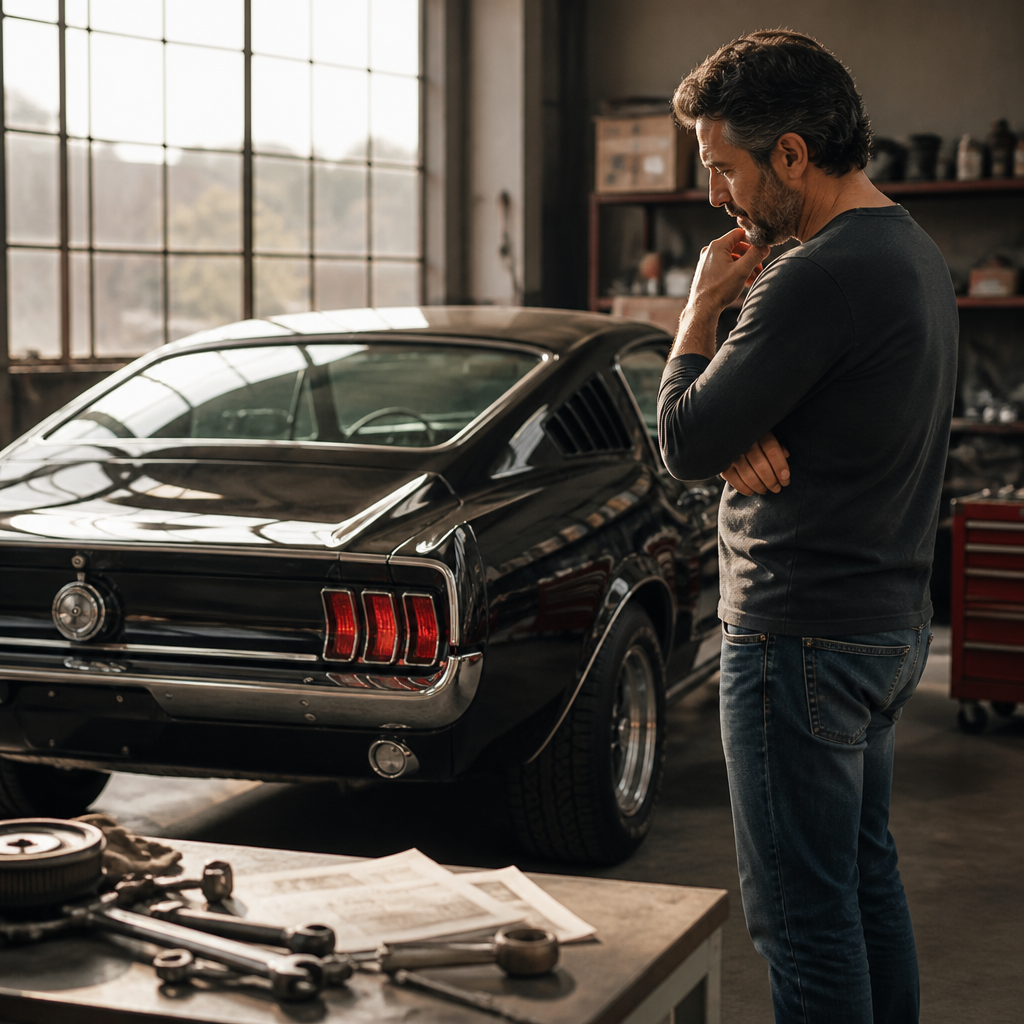
The 1968 Ford Mustang GT Fastback occupies a singular place in American automotive history. It arrived at a cultural crossroads — muscle cars were at their peak, the country was in upheaval, and Ford was doubling down on performance with a ferocity that still resonates today. For collectors and first-time buyers alike, this car is not simply a purchase. It is a commitment to a legacy that demands respect, knowledge, and preparation. Whether you are drawn to its aggressive roofline, its thunderous V8 options, or its cinematic pedigree, understanding what ownership truly entails is the first and most important step you can take.
The Historical Weight of the 1968 Model Year
Ford introduced meaningful refinements to the Mustang in 1968 that distinguished it sharply from its predecessors. The side scoops became functional on certain trim levels, the engine lineup expanded to include the formidable 428 Cobra Jet, and federal safety regulations pushed Ford to incorporate side marker lights and energy-absorbing steering columns. These changes were not cosmetic afterthoughts — they reflected a manufacturer responding to both market demand and regulatory pressure without sacrificing the car’s essential character.
The GT package, in particular, elevated the Mustang beyond its base configuration. Buyers who selected the GT option received a handling suspension, front disc brakes, fog lamps, and GT badging that set the car apart on the street. The Fastback body style — formally known as the SportsRoof — added a sweeping roofline that gave the car an aerodynamic silhouette unlike anything else on American roads at the time. Together, these elements created a machine that was as visually compelling as it was mechanically capable.
Why the Fastback Configuration Matters to Collectors
Among the three body styles Ford offered in 1968 — coupe, convertible, and Fastback — the Fastback commands the most consistent collector interest. Its rarity relative to the standard coupe, combined with its association with performance culture and film history, makes it the most sought-after configuration in the classic Mustang market. Prices for well-documented, numbers-matching examples have climbed steadily over the past decade, and there is little indication that trend will reverse. For buyers entering this market, understanding what separates a genuine GT Fastback from a tribute or clone vehicle is essential knowledge before any money changes hands.
Navigating the Purchase Process with Confidence
Buying a classic Mustang is not like purchasing a modern vehicle from a dealership lot. The financing landscape, the inspection process, and the documentation requirements are all fundamentally different. In fact, the traditional dealer finance model has evolved considerably, and buyers of classic vehicles often find themselves working directly with specialty lenders, private sellers, or auction houses rather than conventional dealership finance departments. Understanding this shift helps buyers approach the transaction with realistic expectations and better negotiating leverage.
Before committing to any purchase, a thorough inspection by a qualified Mustang specialist is non-negotiable. Rust is the primary enemy of these cars, particularly in the floor pans, torque boxes, and frame rails. A vehicle that presents beautifully on the surface can conceal structural corrosion that makes restoration economically impractical. Requesting a vehicle history report, verifying the VIN against the door tag and data plate, and confirming the presence of the original engine — if a numbers-matching example is what you are paying for — are all steps that protect your investment before the transaction closes.
The Value of Original Ownership Documentation
In the collector car world, provenance is currency. A 1968 Mustang GT Fastback accompanied by its original window sticker, Marti Report, and service records is worth meaningfully more than an identical car without documentation. Stories of single-owner Mustangs preserved for nearly five decades illustrate just how dramatically original documentation and unrestored condition can elevate a vehicle’s desirability and market value. When evaluating a potential purchase, treat paperwork with the same seriousness you would apply to the mechanical inspection.
Understanding Restoration Versus Preservation
One of the most consequential decisions a new 1968 Mustang GT owner will face is whether to restore the vehicle to concours condition, preserve its existing patina, or pursue a restomod approach that blends period aesthetics with modern mechanical upgrades. Each path carries distinct financial implications, time commitments, and effects on long-term value. A full frame-off restoration performed by a reputable shop can easily exceed the cost of the vehicle itself, particularly when correct date-coded parts and factory-correct finishes are required for show-level presentation.
Preservation, by contrast, has gained significant traction in the collector community over the past fifteen years. Judges at major concours events now recognize unrestored, original-condition vehicles in dedicated classes, and the market increasingly rewards authenticity over perfection. A car that retains its original paint, interior, and drivetrain — even with honest wear — often commands a premium over a heavily restored example where the originality of components cannot be verified. Understanding where your priorities lie before you begin ownership will save considerable time, money, and frustration.
About Revology Cars
For those who want the experience of a 1968 Mustang GT Fastback without the uncertainty of sourcing and restoring a vintage example, Revology Cars offers a compelling alternative. The company builds factory-correct reproductions of classic Mustangs using modern engineering and premium materials, delivering the visual and emotional authenticity of the original with the reliability and safety of contemporary construction. Their approach appeals to enthusiasts who want to drive their classic car regularly rather than preserve it under a cover. The 1968 Mustang GT Guide available through Revology is an excellent starting point for anyone new to this model, covering everything from trim identification to ownership considerations in accessible, practical detail.
Ongoing Ownership and Community
Owning a 1968 Mustang GT Fastback connects you to one of the most active and knowledgeable enthusiast communities in the classic car world. Organizations like the Mustang Club of America host regional and national events where owners share technical expertise, source rare parts, and celebrate the cars that defined an era. Online forums and registry databases provide access to decades of accumulated knowledge that can help you solve mechanical puzzles, identify correct components, and connect with specialists who have devoted careers to these vehicles.
Maintenance of a vintage Mustang requires patience and a willingness to learn systems that differ fundamentally from modern vehicles. Carburetor tuning, points-style ignition timing, and drum brake adjustment are skills that reward the owner who takes the time to develop them. Many enthusiasts find that this hands-on relationship with their vehicle is precisely what makes ownership so satisfying — the car demands engagement in a way that modern transportation simply does not.
Conclusion
The 1968 Mustang GT Fastback is not a casual acquisition. It is a vehicle that rewards preparation, patience, and genuine enthusiasm with an ownership experience unlike anything the modern automotive market can offer. By approaching the purchase with thorough research, engaging qualified specialists, and connecting with the broader Mustang community, new owners position themselves to enjoy one of America’s most iconic automobiles for decades to come. The investment of time and knowledge made before the purchase is invariably the most valuable investment of all.