
Shopping for a new camera can feel like stepping into another language. You’ll come across terms like megapixels, autofocus points, sensor sizes, image stabilisation, and burst speeds, all competing for your attention. It’s easy to believe that choosing the camera with the longest list of features is the safest option.
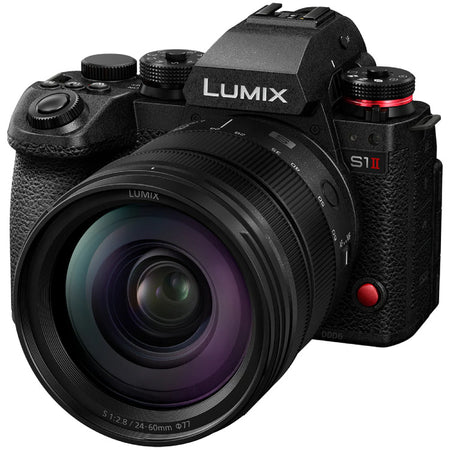
In reality, everyday photography has very different priorities than professional photography. Whether you’re researching Panasonic LUMIX Australia or comparing several popular camera brands, the goal should be finding a camera that fits naturally into your lifestyle rather than chasing specifications you’ll rarely use.
If your camera is easy to carry, simple to operate, and consistently produces photos you love, you’re far more likely to keep using it. Here are the factors that deserve your attention before making a purchase.
Comfort Should Come First
A camera might have impressive features, but none of them matter if it feels uncomfortable in your hands.
Think about how you’ll actually use it. Will you carry it while travelling? Take it to family gatherings? Pack it for weekend adventures?
A camera that’s lightweight and comfortable often gets used far more than one that’s bulky and left at home.
If possible, hold different models before deciding. The way a camera feels can be just as important as its specifications.
Ease of Use Matters More Than Complexity
Many people buy advanced cameras believing they’ll “grow into” the features.
Sometimes that happens. More often, owners leave everything in automatic mode because the menus feel confusing.
Look for a camera with:
- Straightforward controls
- Clear menus
- Quick access to common settings
- An intuitive layout
The easier it is to operate, the more enjoyable photography becomes.
Image Quality Is Already Excellent
Technology has improved dramatically over the past decade.
Even many entry-level cameras can produce detailed, vibrant images suitable for sharing online, printing, or creating family photo albums.
Instead of worrying about small differences in image quality, focus on learning basic photography skills such as composition, lighting, and timing. Those techniques will improve your photos far more than minor specification upgrades.
Consider Where You’ll Use It Most
Your lifestyle should influence your decision.
Ask yourself questions like:
- Do I mostly photograph family events?
- Will I use it while travelling?
- Do I enjoy nature and landscapes?
- Will I record videos as well as photos?
Answering these questions helps narrow your options without getting distracted by features you may never need.
Don’t Forget About Lenses
A common mistake is treating the camera body as the only important purchase.
In reality, the lens has a huge influence on the final image. A versatile, high-quality lens can often make a greater difference than choosing a slightly more expensive camera body.
If you plan to develop your photography over time, consider whether the camera system offers lenses that suit your future interests.
Reliability Builds Confidence
Photography should feel enjoyable, not stressful.
Look for a camera with dependable battery life, responsive autofocus, and solid build quality. These practical details make everyday photography much smoother, especially when capturing spontaneous moments that won’t wait for you to adjust complicated settings.
The more confidence you have in your equipment, the more likely you are to focus on creativity instead of technology.
Choosing a camera for everyday photography doesn’t have to be about finding the most advanced model. It’s about selecting one that feels comfortable, encourages you to take it everywhere, and makes capturing life’s ordinary moments easy. After all, the best camera isn’t the one with the most impressive specifications. It’s the one that’s with you when the memories happen.