Most drivers think about license plates only when something goes wrong. A ticket. A camera flash. An officer pulling them over for a plate they didn’t realize was blocked. New York’s plate laws cover more than people expect, and not knowing them doesn’t make violations disappear.
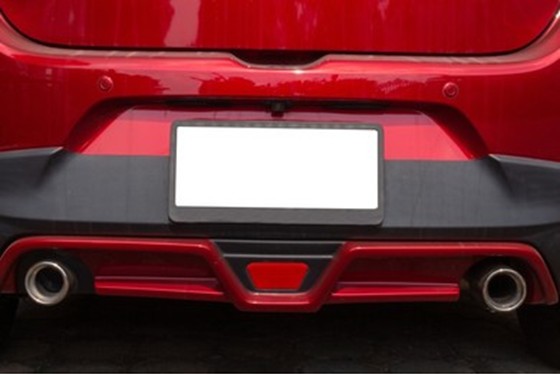
New York requires every registered vehicle to display two plates: one on the front and one on the rear. Both have to be clearly visible, securely attached, and free from anything that blocks the letters or numbers. A frame that cuts off the state name or a tinted cover are violations under state law.
Plenty of drivers get ticketed for accessories bought at a dealership or auto parts store. That framed plate that came with the car, the cover that looked fine in the store, these can put drivers out of compliance without realizing it. Resources covering what drivers should know about license plate rules lay out which display requirements apply and where drivers most often run into trouble.
Where Plates Have to Be Mounted
Plates must be mounted horizontally, facing outward, at a height readable from the road. The rear plate has to be lit at night so it can be seen from fifty feet away. A burned-out plate light alone is enough to justify a stop under New York law.
How Seriously New York Enforces These Rules
The numbers make it clear. Governor Hochul’s Operation Plate Check, launched in March 2024, resulted in more than 46,000 summonses and 4,525 vehicles interdicted across 82 statewide operations. State Police, the NYPD, the MTA, and the DMV all participated, targeting fraudulent, obstructed, and altered plates.
What Happens When Plates Are Obstructed
New York law does not allow anything that obscures, distorts, or reflects light away from a plate. This includes tinted covers, even ones marketed as legal, and frames that block any part of the registration sticker or state name. Fines now run from $100 to $500, and repeat offenders with three or more convictions within five years face a 90-day suspension.
Registration Stickers and What They Mean
Every New York plate carries a registration sticker showing the expiration month and year. Stickers have to be placed in the correct corner and kept intact. A peeling or missing sticker is still a problem even if the registration itself is current.
Temporary Plates and Dealer Situations
New vehicles often come with paper or temporary plates while registration is processed. These must be displayed the same way as permanent plates and stay legible at all times. A dealer plate tucked into a windshield instead of mounted properly puts the driver at risk.
Why These Rules Matter Beyond the Fine
Plate violations create legal exposure beyond the ticket itself. A stop for an obscured plate can lead to other charges if issues surface during the encounter. Officers in New York can investigate once a plate violation gives them legal grounds.
Key Takeaways
- Every registered vehicle in New York needs two plates, one on the front and one on the rear, and both have to stay fully visible at all times.
- In 2024, Operation Plate Check issued over 46,000 summonses across 82 enforcement operations statewide.
- Getting caught with an obstructed plate now costs between $100 and $500, depending on the violation.
- Three or more plate convictions within five years will trigger a 90-day suspension of the vehicle registration.
- Registration stickers have to sit in the right corner, stay intact, and show a current expiration date.
- Paper dealer plates and temporary plates are not exempt, as they follow the same display rules as permanent ones.
- A plate violation gives officers legal grounds to stop a vehicle, which can open the door to further charges.